Jamtara Wilderness Camp
PENCH NATIONAL PARK, INDIA

Jamtara Wilderness Camp
Luxury Tented Lodge


Since AUGUST 2026
Amit Sankhala, owner of Jamtara Wilderness Camp, is the grandson of biologist Kailash Sankhala, who spearheaded the creation of India's first tiger reserves as director of the Project Tiger taskforce. Kailash promoted eco-tourism as an alternative to poaching, proving these animals could be worth more to local communities alive than dead. Amit inherited that conviction.
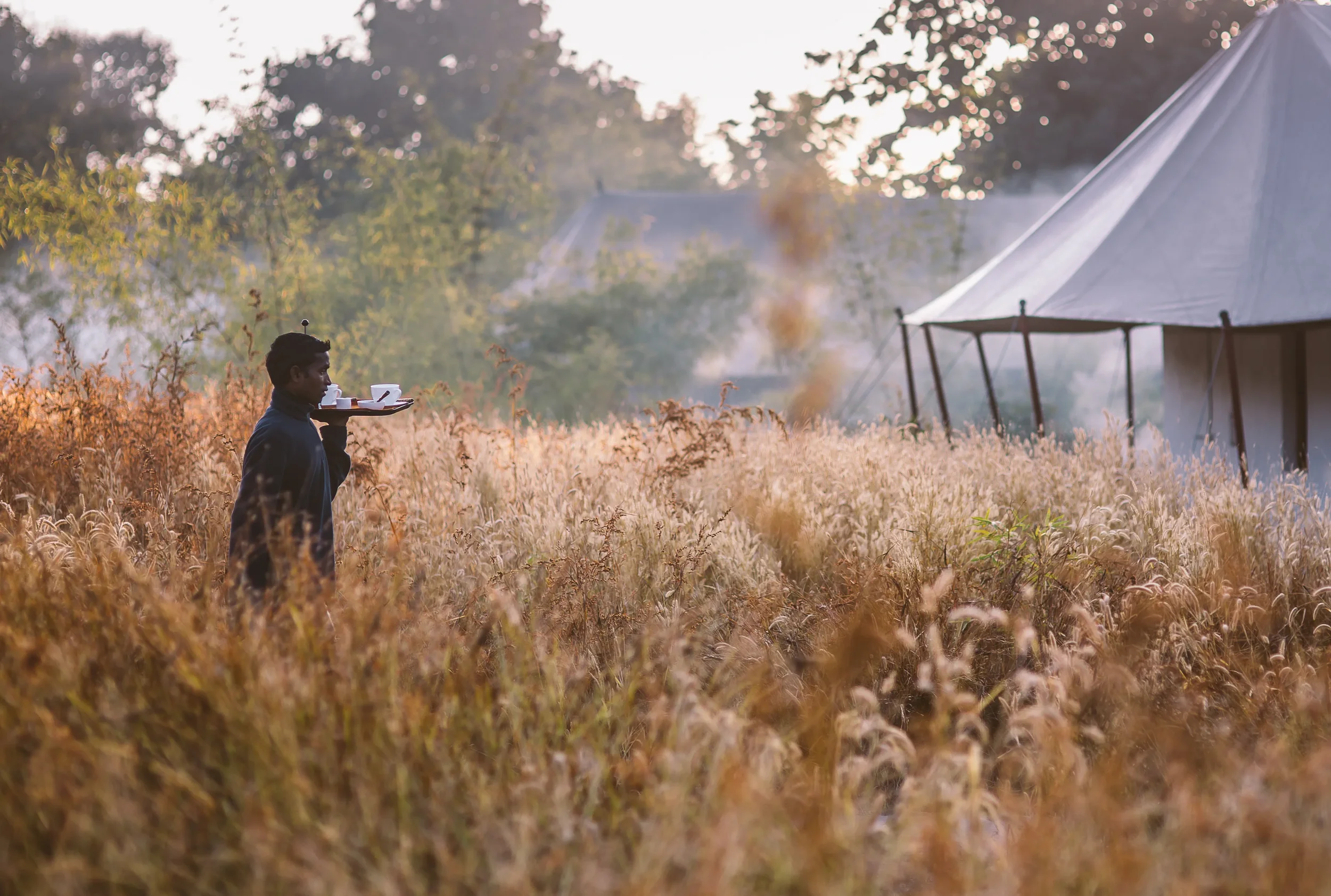
He has built a team of like-minded people around it: naturalists who know the forest intimately, chefs who cook up a storm with local produce, and staff who indulge guests with small comforts while respecting their privacy.
"Sustainability isn't just about being plastic free; it's about the community, too," Amit says. "If local people are benefitting from tourism, they're invested in keeping wildlife alive. That's a win-win."
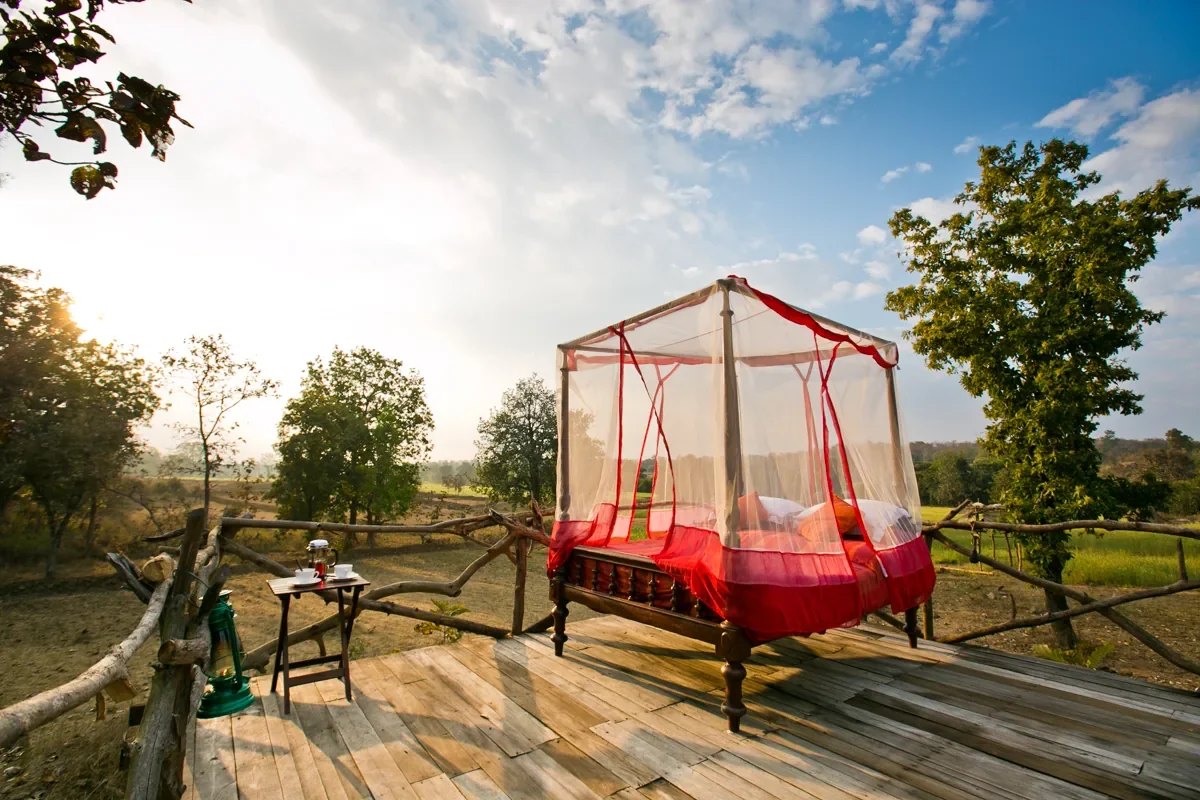
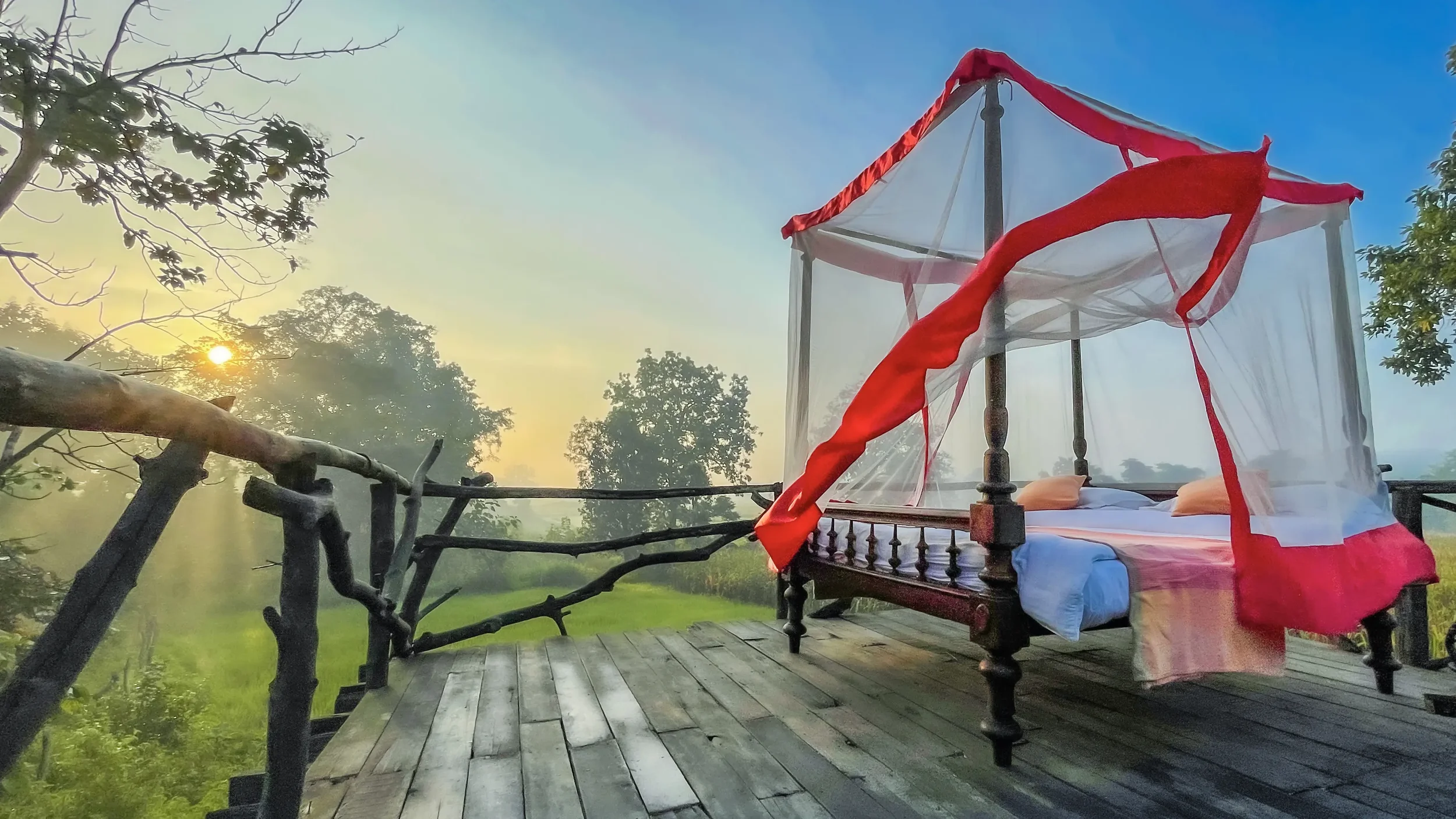
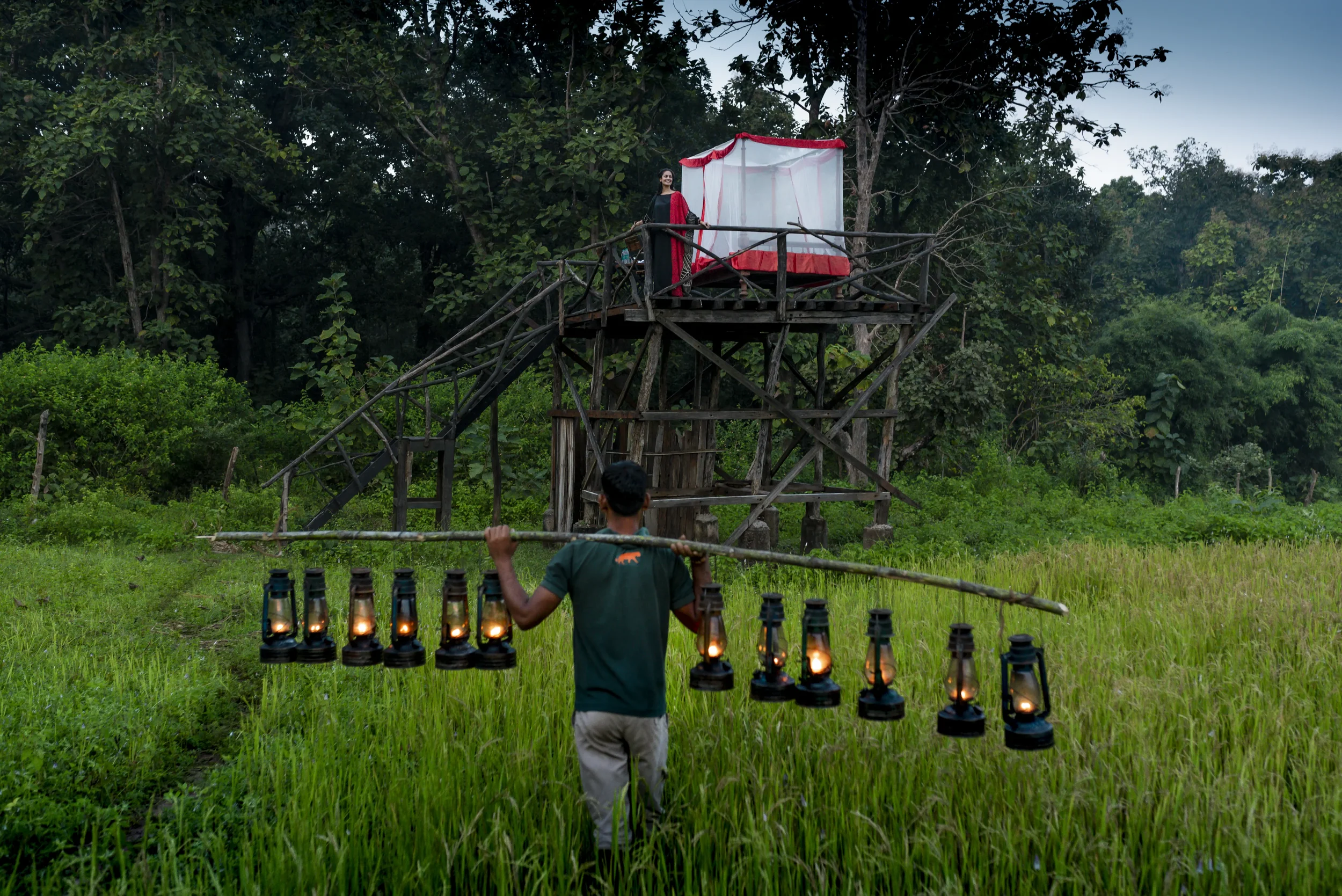
At Jamtara, this means sourcing vegetables from the local market and training villagers to staff the camp rather than recruiting from further afield. It means the Star Bed concept — an alfresco four-poster raised on stilts above the field, reviving the machans villagers have used for generations to watch over their crops through the night — giving farmers an extra revenue stream from guests sleeping out there.
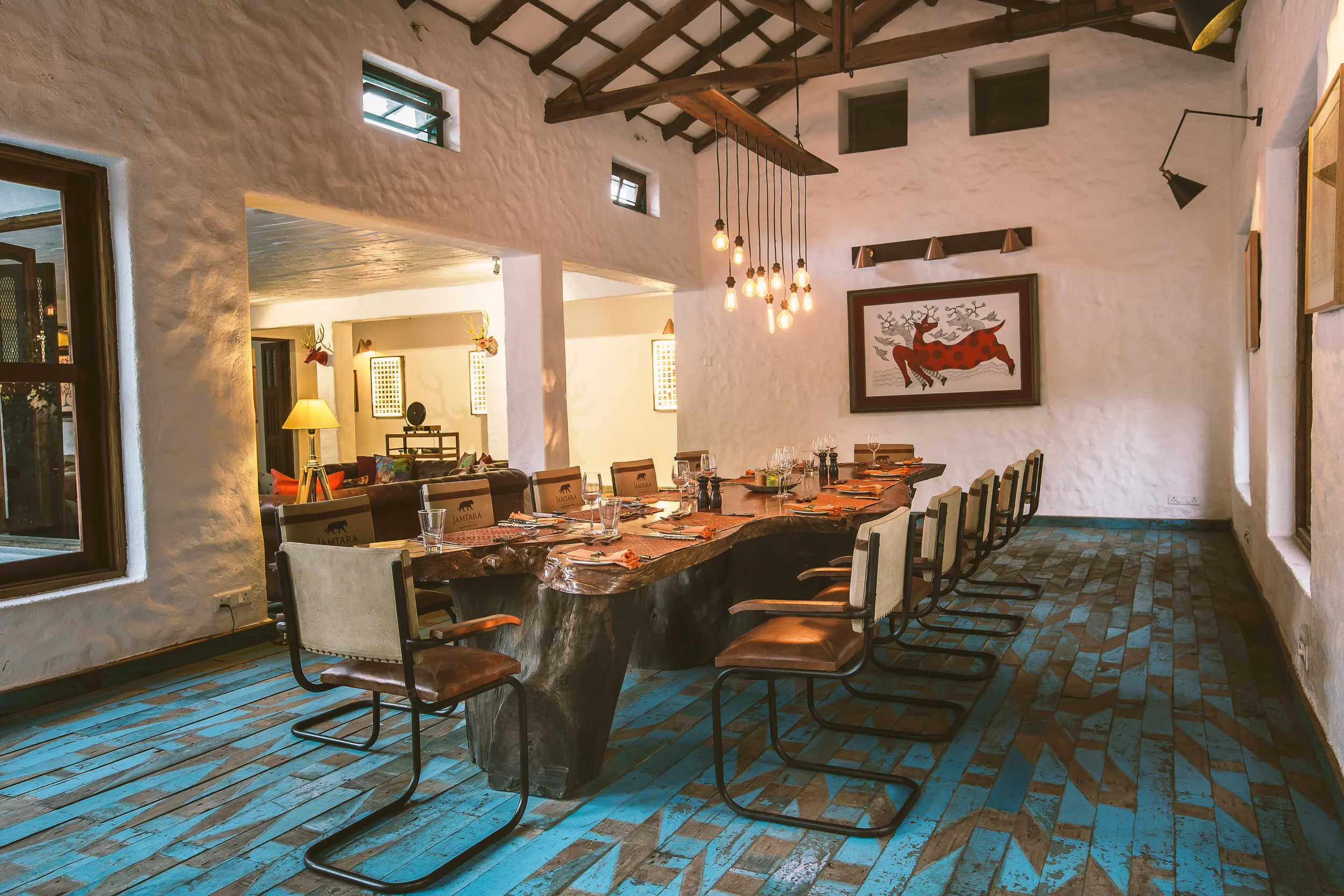
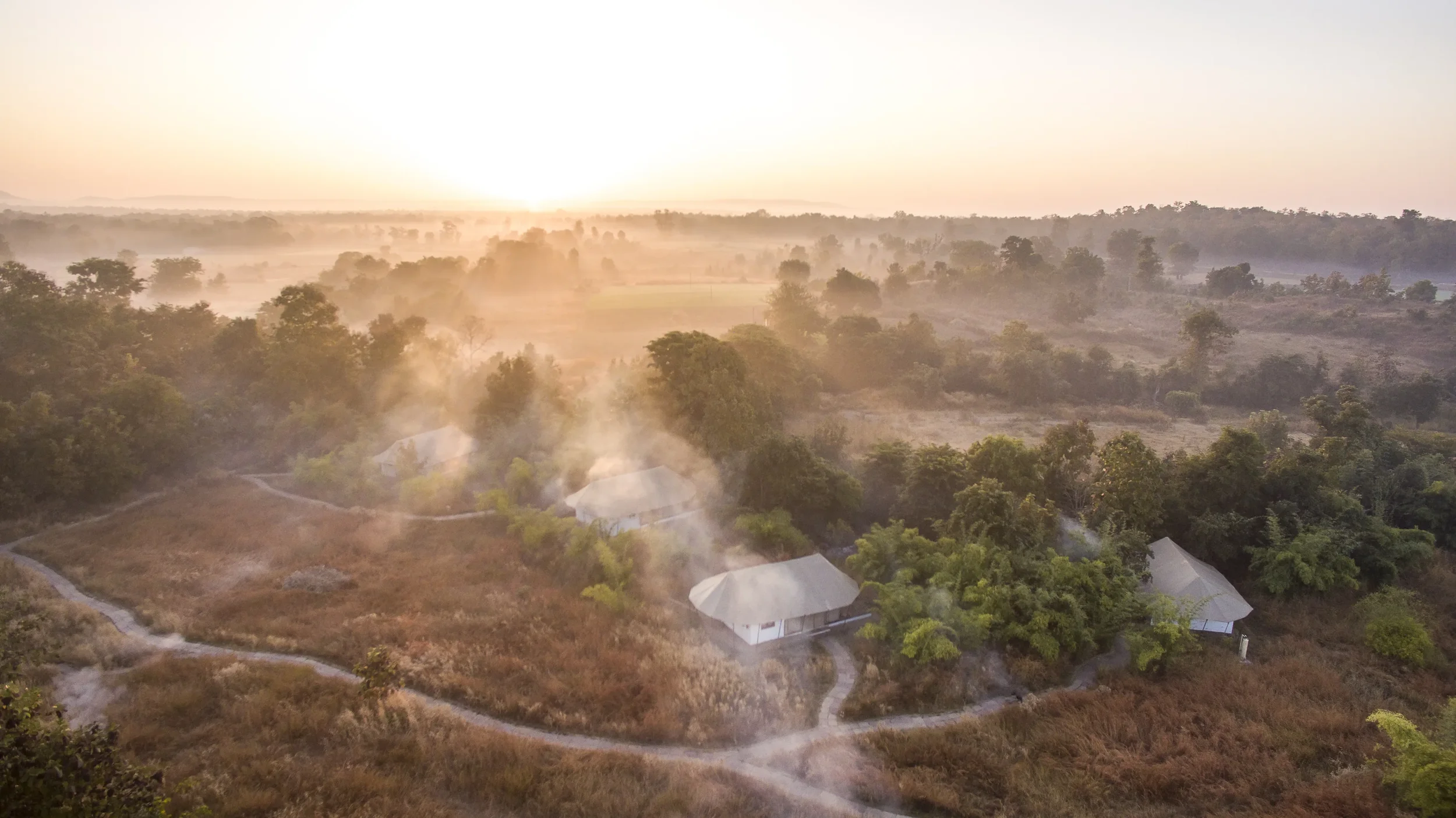
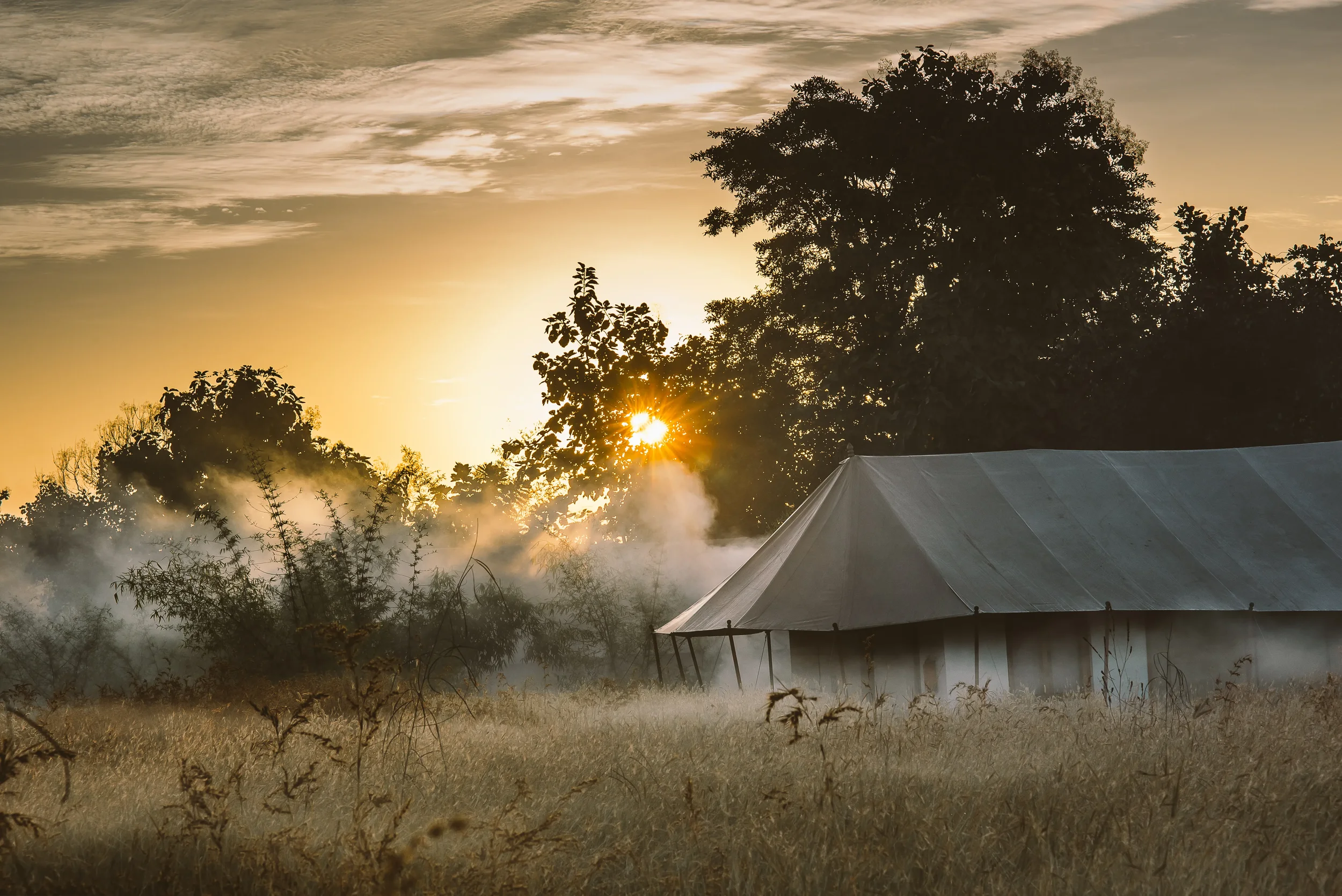
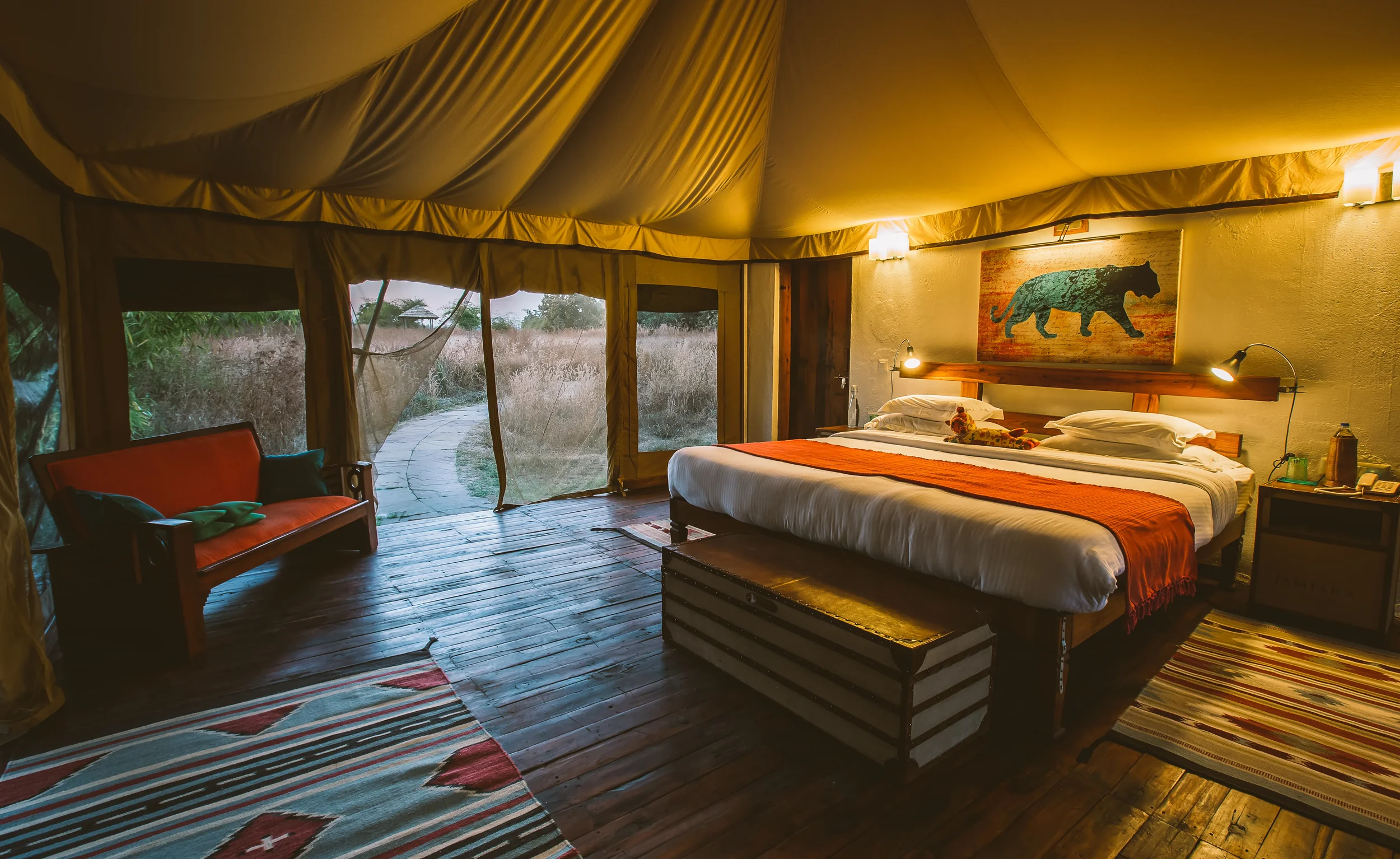
With only 10 tents, Jamtara is small enough to tread lightly. Not a single tree was cut to build the camp, and none of the furniture was bought new: the flooring comes from the decks of wrecked ships, the desks are reclaimed pieces from the Indian Supreme Court.
Jamtara Wilderness Camp 4C Commitments

CONSERVATION
Each June, Jamtara is fully dismantled, leaving the land undisturbed through the monsoon so habitat can regenerate before the camp rebuilds in September. With farmland surrounding it on every side, this seasonal absence has turned Jamtara's own footprint into one of the few safe corridors left for wildlife to pass through.
Every structure at Jamtara is built from salvaged materials — mango-wood log tables, embassy furniture, courtroom desks, ship-deck flooring — meaning the camp was raised without a single new tree cut from the surrounding forest.

COMMUNITY
Jamtara reinvests regularly in the community's own skills, funding training programmes for its guides. Last summer, parent company Encounters Asia was part of an initiative giving 50 women guides from villages around the region's tiger reserves further training and exposure, strengthening a career already open to them.
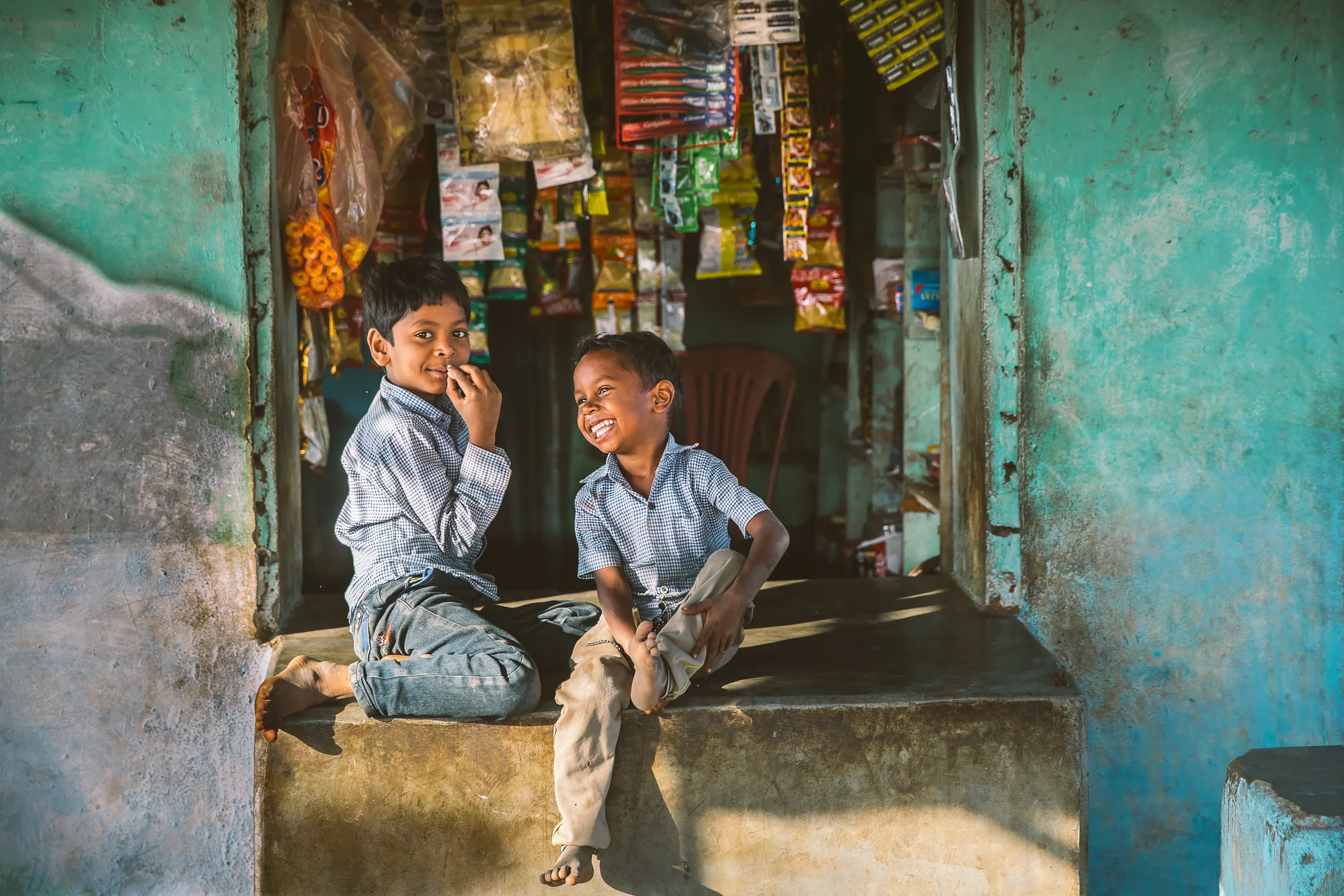
Jamtara supports two schools in the surrounding villages, providing clean water, roof repairs, books and furniture, and running annual environmental education plays, with a dedicated liaison officer on the ground managing the relationship and surfacing local needs.

CULTURE
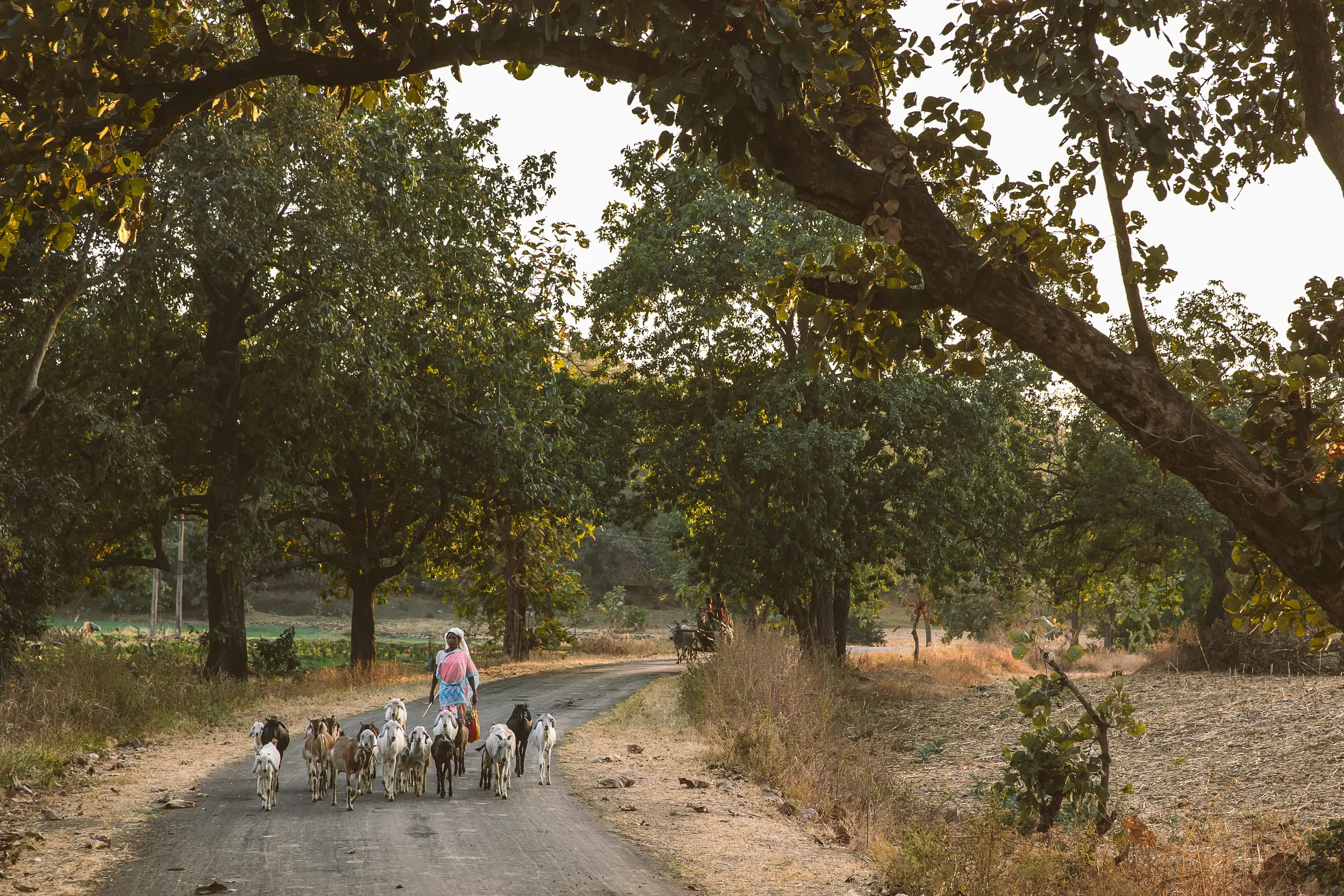
The villages surrounding the camp sit away from any highway or vehicular traffic, still stopped in time. Guests are encouraged to visit, where villagers are eager to invite them in for a cup of chai.
The Star Bed experience revives a tradition villagers have practised for generations — sleeping on machans, raised platforms in the fields, to watch over their crops through the night. Jamtara turns this ancestral practice into an authentic wilderness experience for guests.

COMMERCE
Jamtara's business model channels tourism revenue directly into village households — nearly all guides, drivers and staff are local, turning every guest stay into direct household income rather than revenue that leaves the community.
All of Jamtara's produce is sourced directly from neighbouring farms, turning every meal into a farm-to-table experience for guests while putting tourism revenue straight into the pockets of local farmers.
Jamtara Wilderness Camp Highlights
-
![]()
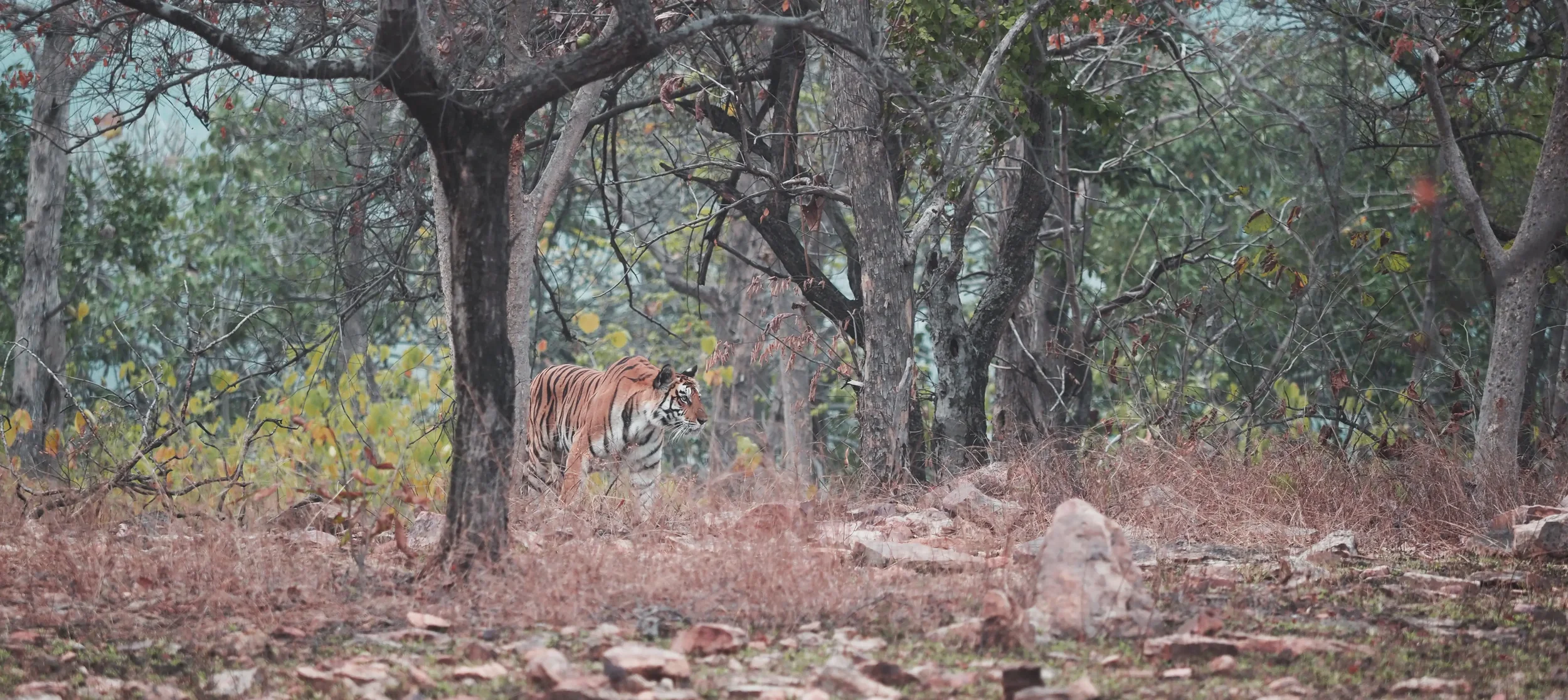
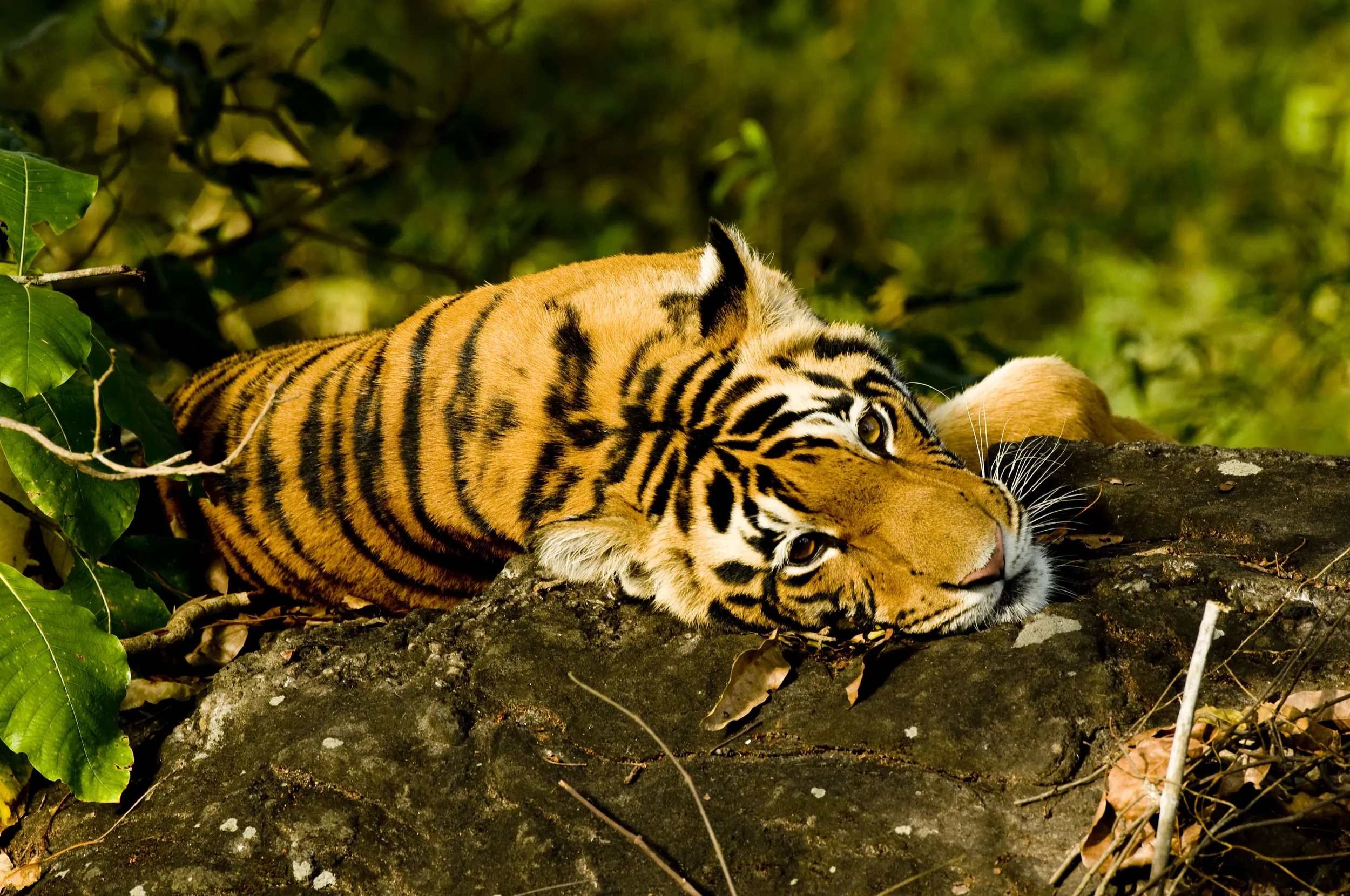
Pench National Park is home to at least 44 of the big cats, and its wilds inspired The Jungle Book.
-
![]()
The Star Bed experience revives a tradition villagers have practised for generations — sleeping on machans, raised platforms in the fields, to watch over their crops through the night. Jamtara turns this ancestral practice into an authentic wilderness experience for guests.
-
![]()
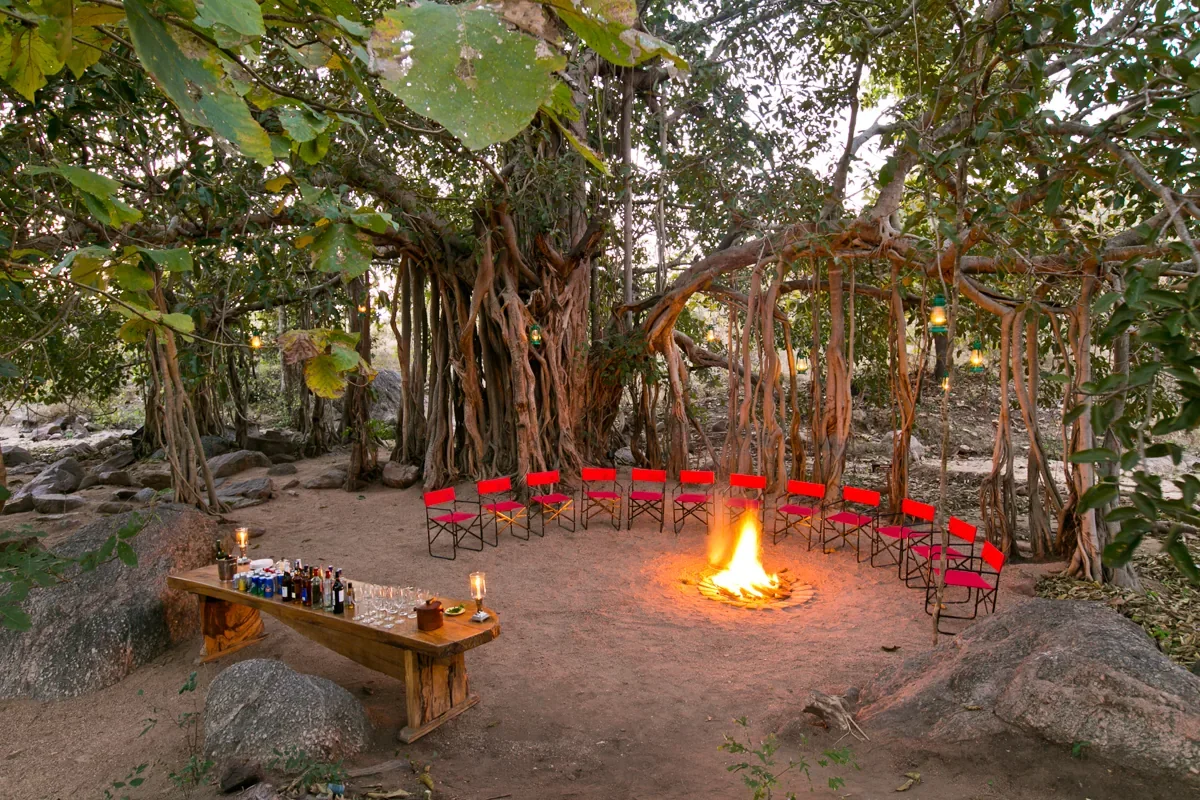
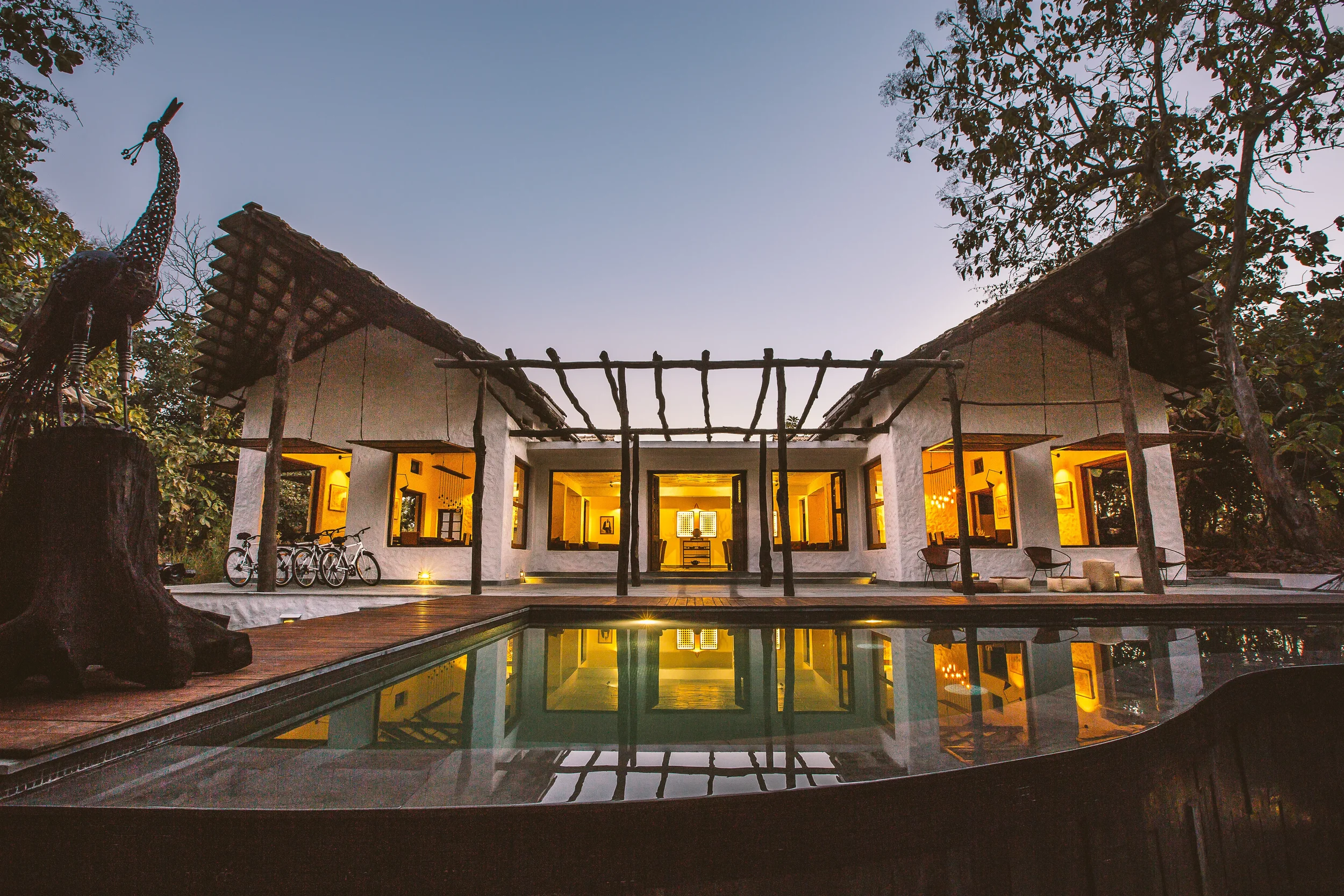
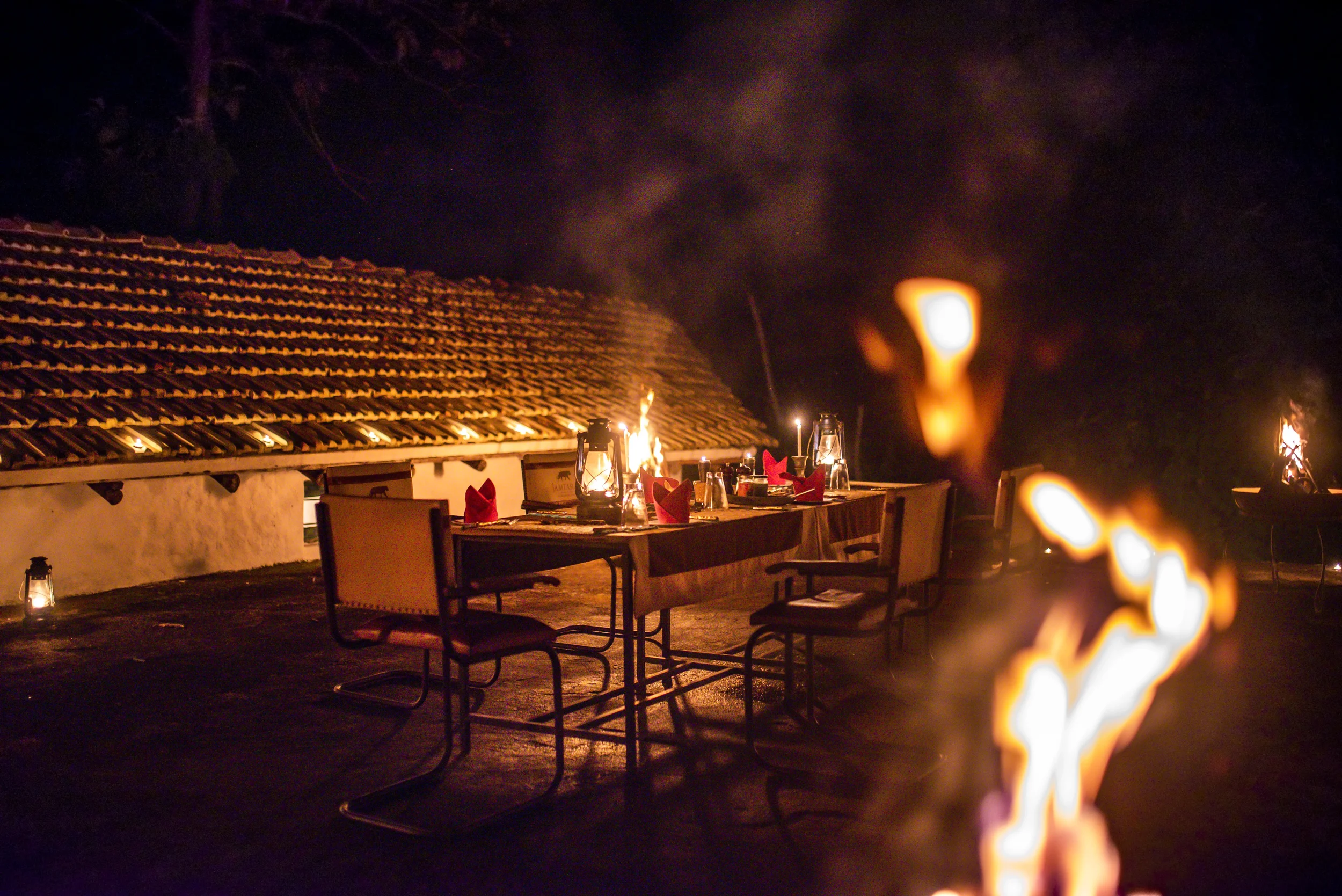
Inspired by an ancient Banyan Tree, the community, and the wilderness surrounding the area, Jamtara Wilderness Camp was built to provide an unforgettable experience with sustainability as its cornerstone.
-
![]()
One of the Amit’s father’s favourite phrases is ‘Catch them Young’. Jamtara supports two local schools, supplying them with clean water, repairing their rooves, contributing books and tables, and participating in their annual functions where the majority of the plays are designed around environmental protection.