
This month, we asked our community:
How are you preparing for the ‘super’ El Niño, and what have you already changed to protect your guests, your team and the communities you work with?
Here are the answers:

Hendry Sianipar
Sustainability manager
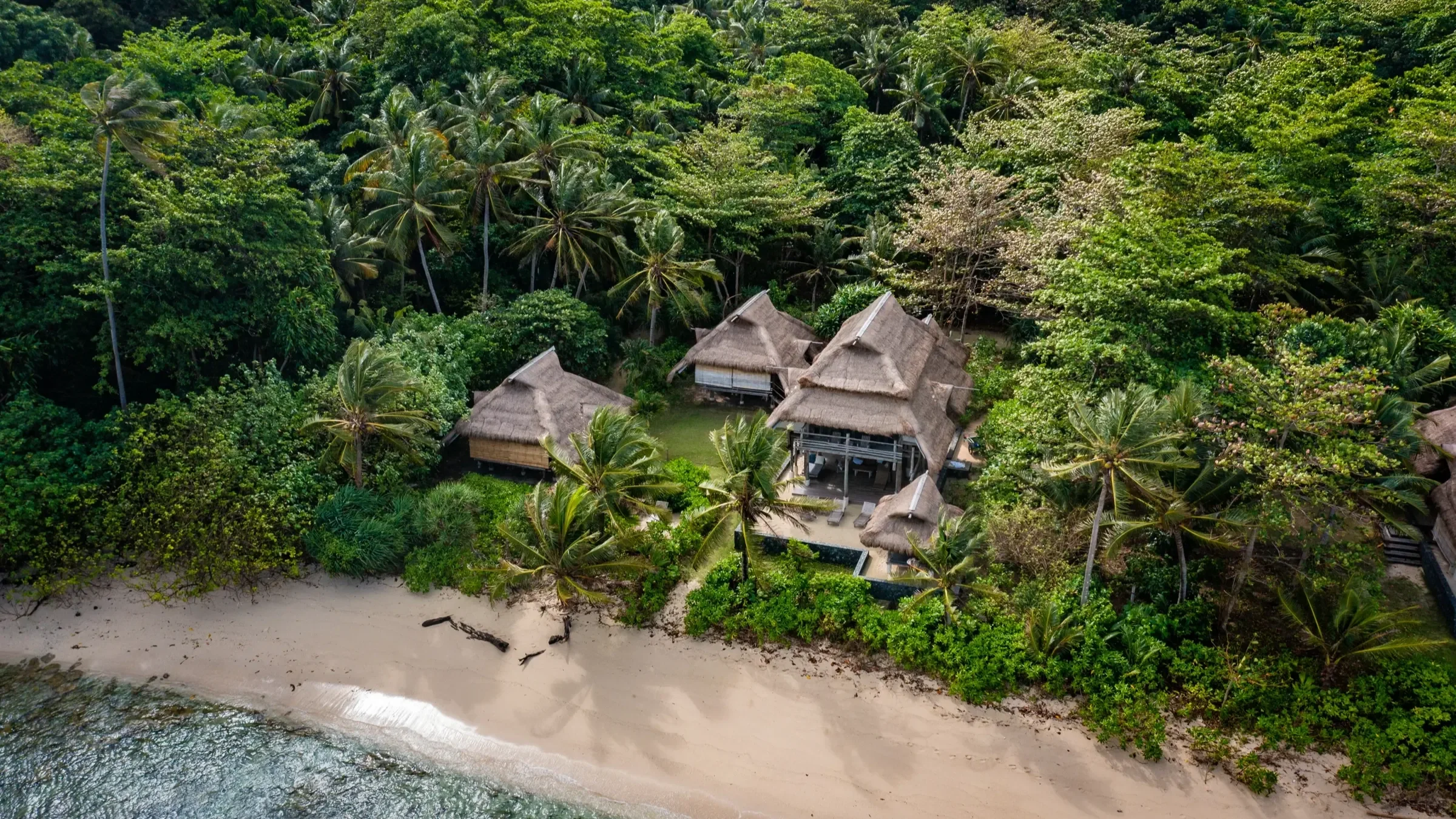
Nikoi Island, a global ecosphere retreat®
preparing for prolonged droughts, this tiny island tackles water shortages and wildfires
Tackling droughts
On small islands like Nikoi and Cempedak, prolonged droughts put real pressure on our limited freshwater. We rely on rainwater harvesting during the rainy season, with storage for over 240,000 litres, alongside groundwater extraction. But when rainfall becomes unpredictable and dry periods stretch on, even these systems have their limits.
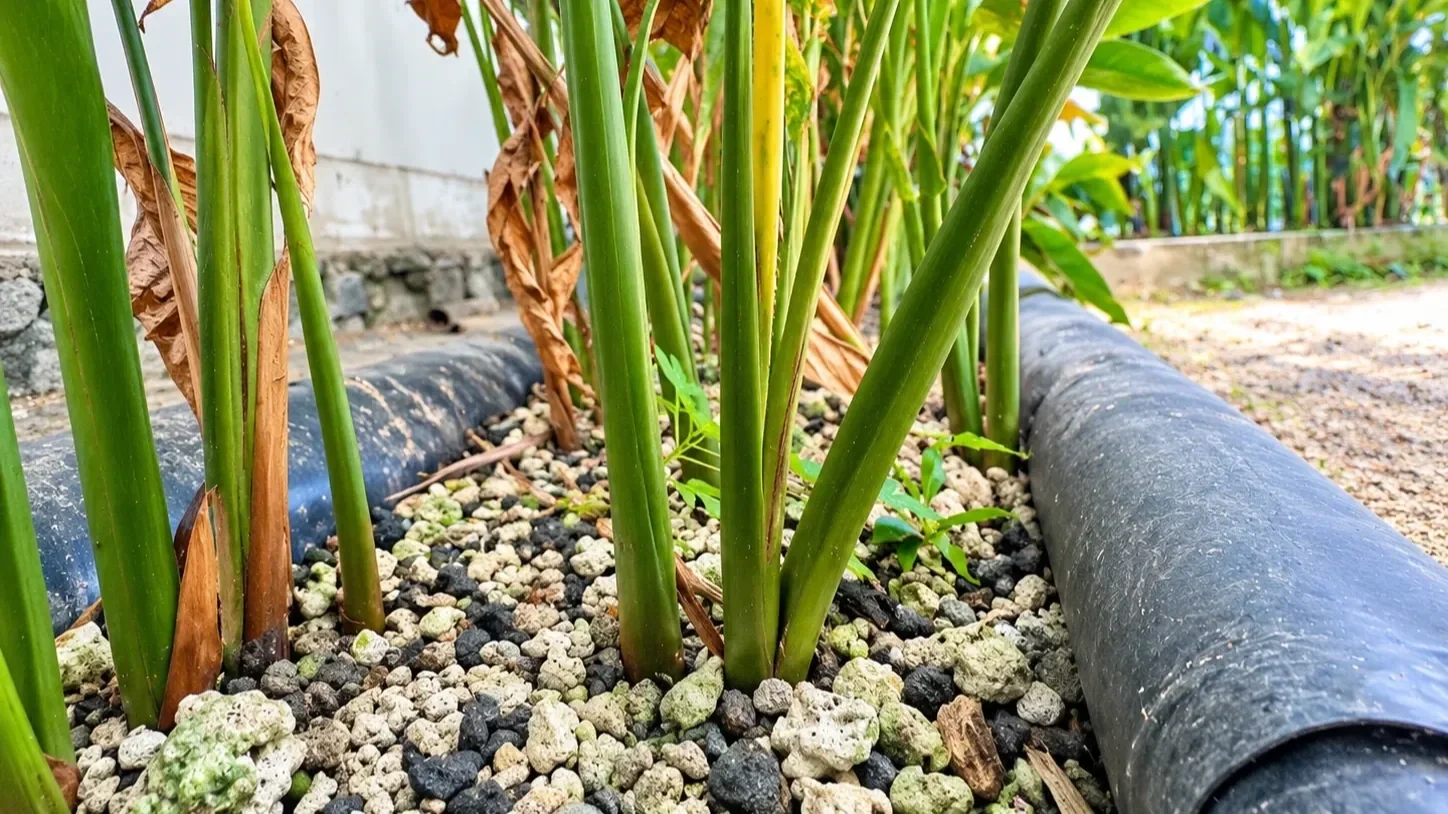
This is where seeing waste as a resource matters. Our Wastewater Gardens filter greywater from our bathrooms through layers of sand, pebbles and plant roots, and we reuse it to irrigate the landscape instead of drawing more from our wells and rainwater reserves. Drought has shown us how valuable that system is to our daily operations.
Tackling wildfires
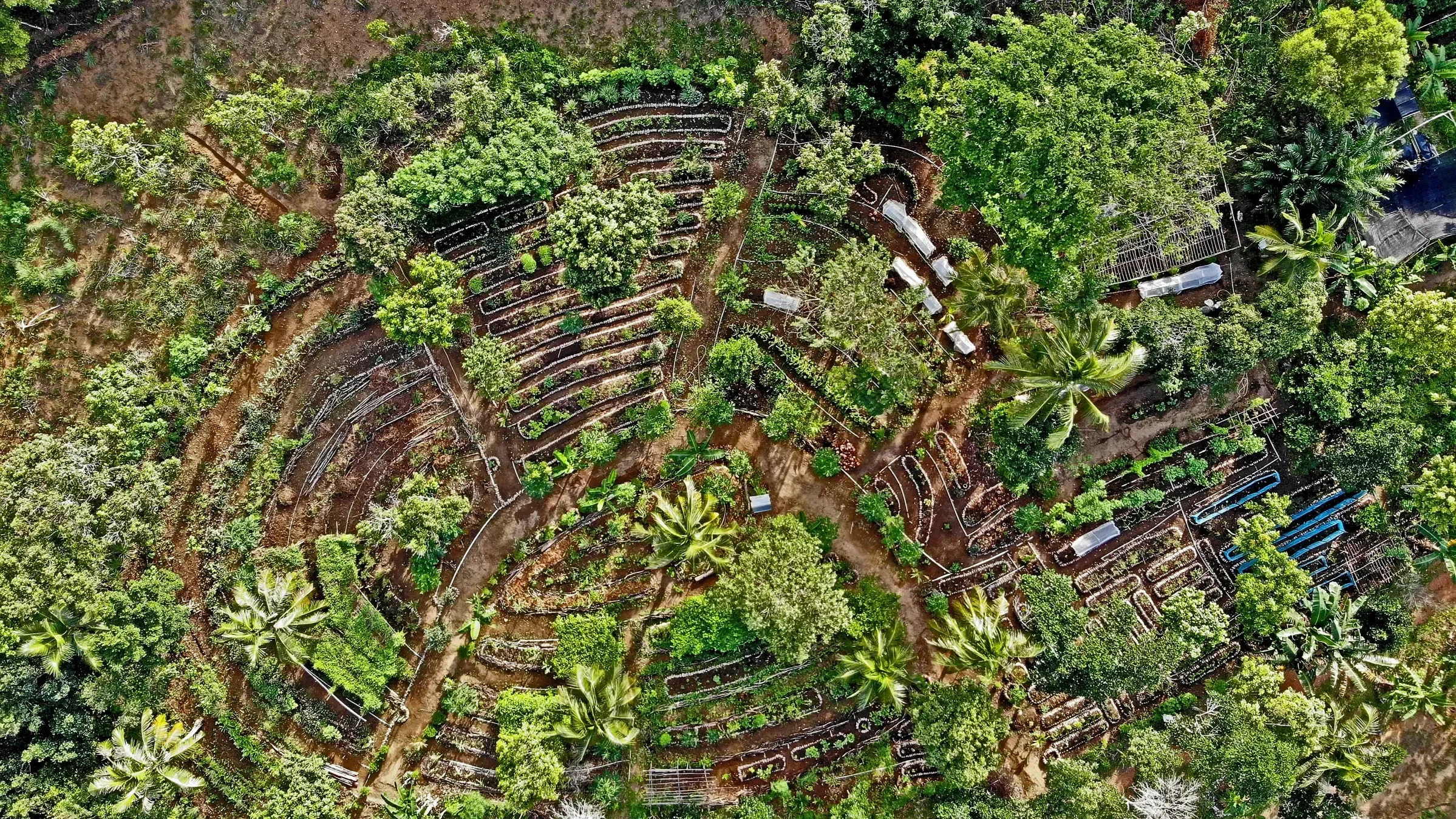
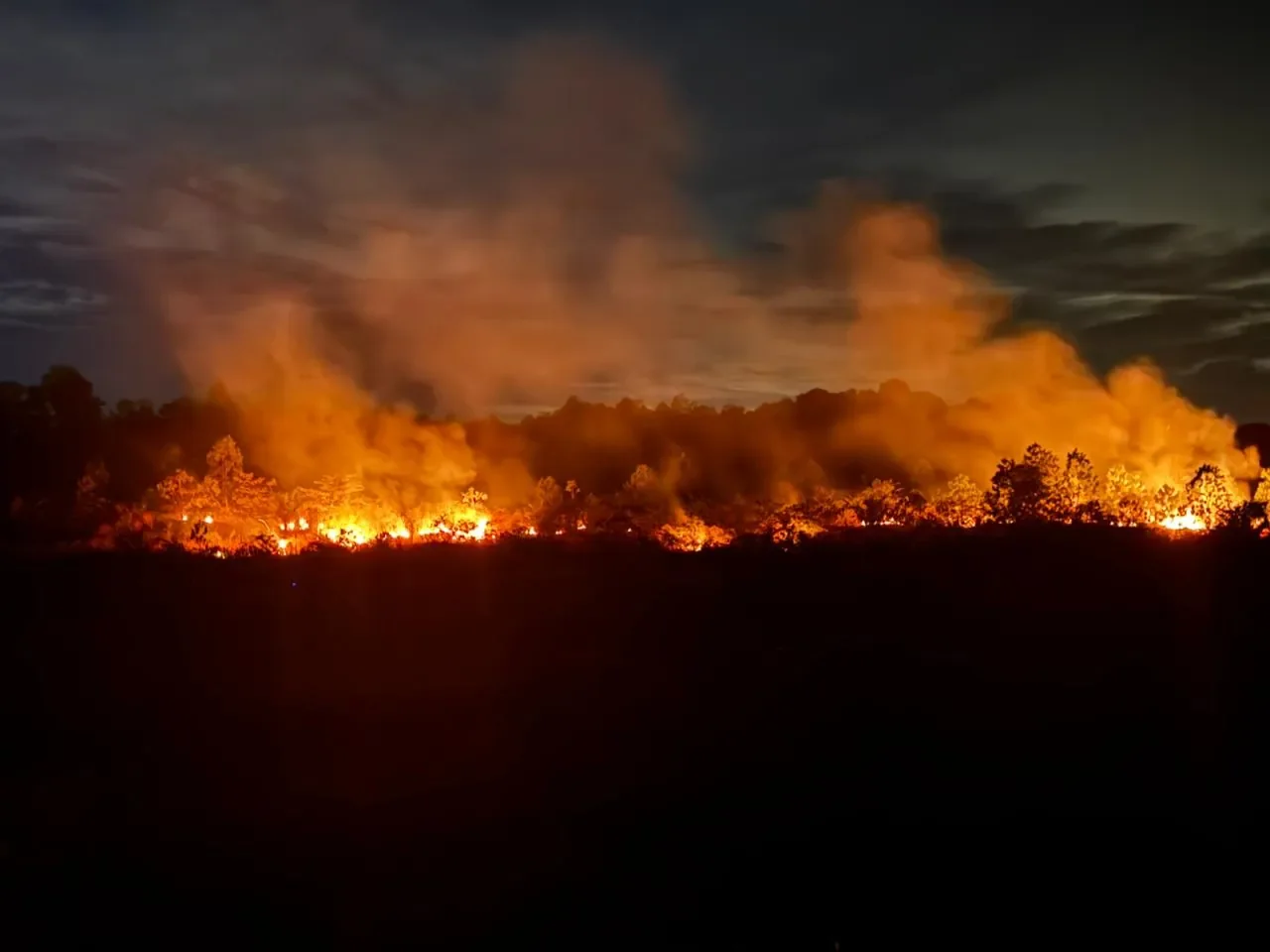
Water is only part of the challenge. At our permaculture farm, wildfires during dry spells have exposed another vulnerability: limited firefighting infrastructure and a heavy reliance on manual labour to contain them.
The ‘super’ El Niño has reminded us of both the value and the limits of what we have built. Our team makes the most of existing systems and manages resources carefully, but long-term resilience needs bigger decisions about infrastructure and investment.
Perhaps the most important lesson is that sustainability does not automatically translate into climate resilience. Adapting is not simply about introducing more technology. It is about rethinking how we use limited resources, recognising the ecological limits of the islands, and making sure our people and operations are ready for what lies ahead.
Georgia Beech
General Manager
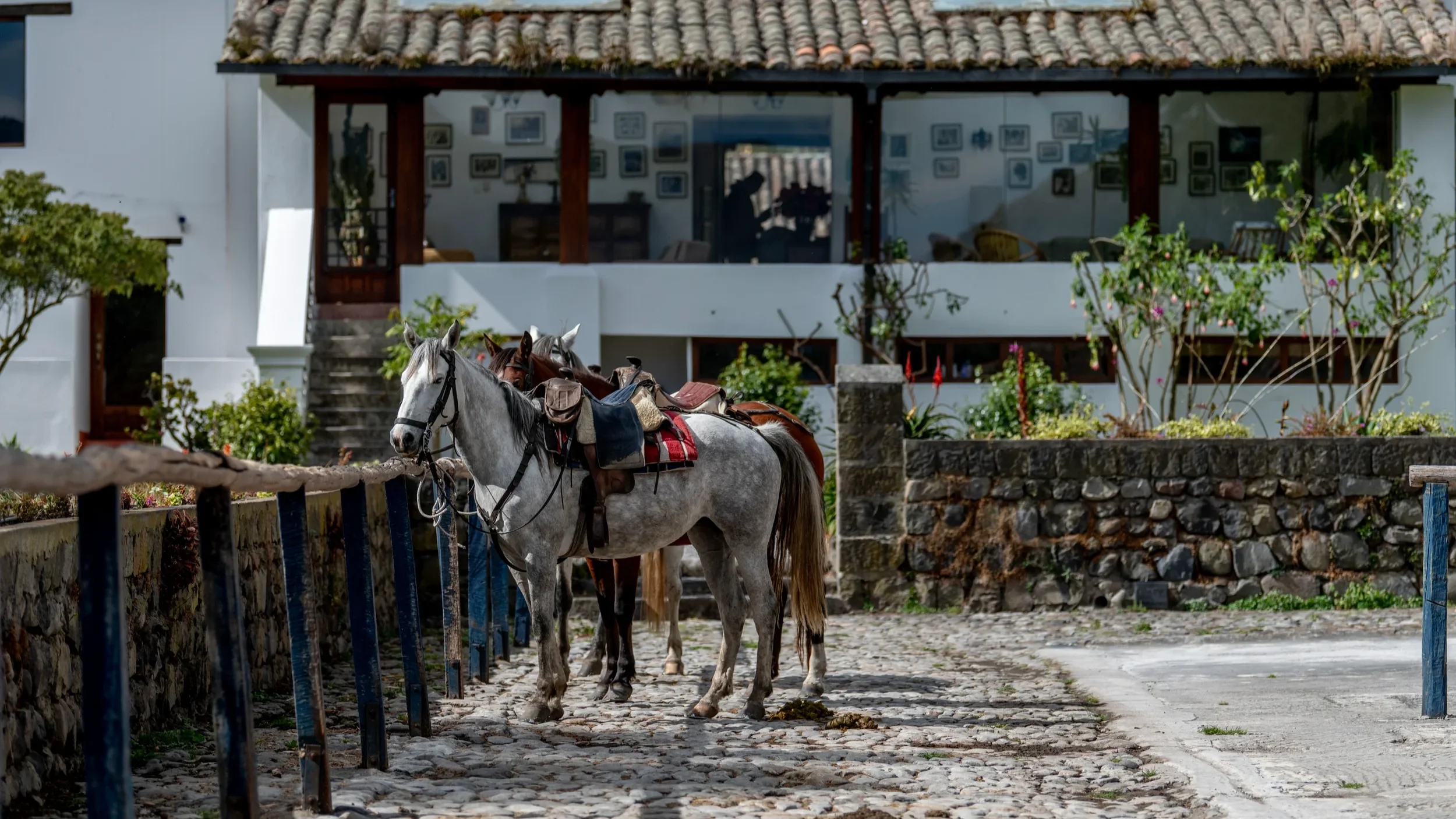
preparing for floods, this estancia has installed new drainage systems
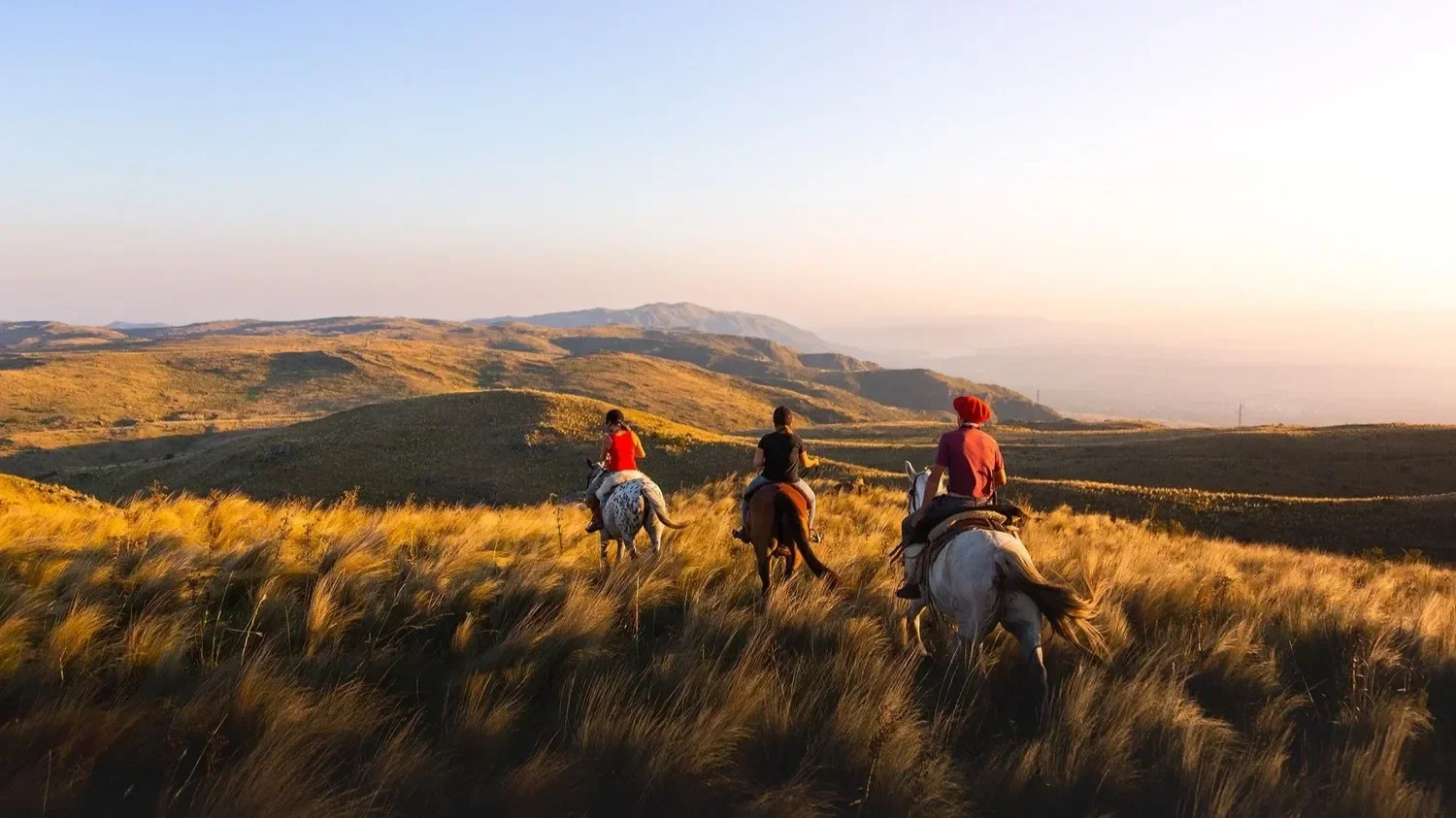
Here in the Sierras Chicas, El Niño usually means a wetter season rather than a drier one, so our focus has been on managing heavy rainfall.
We have installed new drainage systems across the property so water runs off properly instead of pooling. That protects our paths, our corrals and the garden around the main house, and keeps the ground safer underfoot for our horses and our guests.
We also remind guests before they arrive to bring good wet-weather gear, and we have mapped out the best places to shelter if a storm hits hard while we are out riding, so everyone knows the plan if the weather turns.
On a positive note, the extra rain has been a real gift for the land. We have planted lots of new trees, flowers and shrubs, and they are thriving with all that water. The estancia is looking greener than ever.

Marisol Mosquera
Founder
As El Niño hits northern peru, aracari reroutes guests to the south while supporting partners in the north
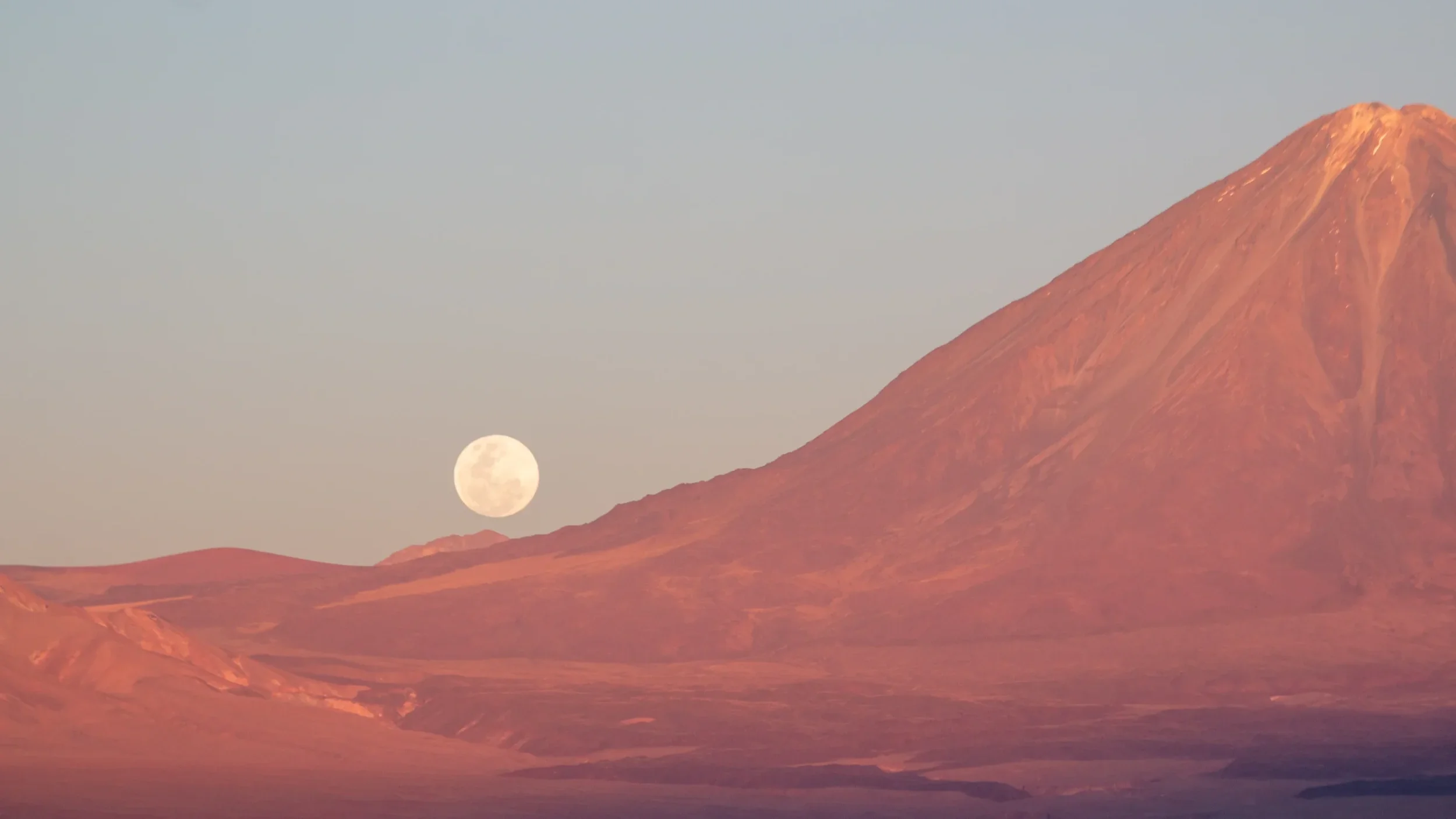
In Peru, El Niño is expected to hit hardest along the coast, particularly in the north. We are closely monitoring the weather in the areas where we expect a significant impact, so that we can avoid sending travellers there. As a result, we will not be taking travellers to northern Peru from November.
In southern Peru, including Cusco, we are expecting drought, but it is not expected to affect tourist activities, so our operations there remain largely unaffected.
For travellers who had their hearts set on the northern beaches, we suggest heading south of Lima to the Bay of Paracas instead, where they can enjoy downtime at the beach with a touch of culture.
With clients, we clearly explain the real effects of El Niño in Peru: heavy rain in the north, and drought in the south, which does not touch what they come to see.
We stay close to our partners in the north and offer support if they need it. So far, they all have plans to get through the El Niño months, and none have been affected beyond fewer visitors.
Get the next edition in your inbox. Every month, we ask our members one question and share their honest answers. You’ll hear from lodges, reserves and travel businesses dealing with the same challenges you are.

Donald Grieve
Sustainability and Restoration Consultant
cottar’s safaris, a global ecosphere retreat®
preparing for floods, cottar’s is using ai to summarise key information and forecast weather patterns
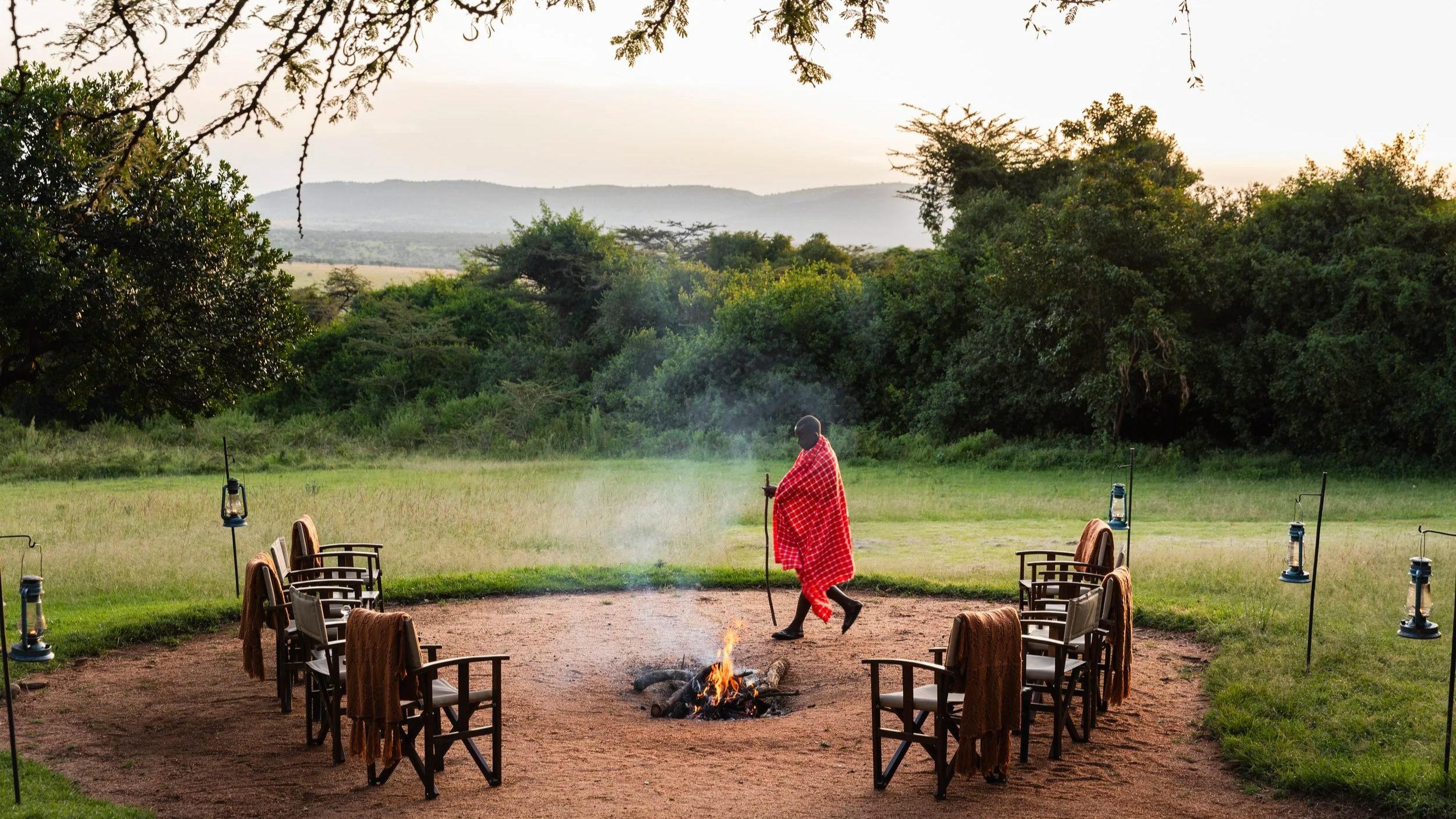
Working in the Mara, the main impact we expect is heavy rainfall and possible flooding. For us, that carries a high risk of being cut off for an extended period, as all bridges and river crossings would be impassable.
Our first focus has been on emergency provisions and drinking water, followed by a review of our rescue and recovery equipment.
We have also created a scheduled AI review. It generates a regular summary of relevant information, forecasts and articles, which is circulated to management. We then analyse our mitigation strategy and preparations against each update, so we can adapt where needed.

Fernando Polanco
General Manager
Preparing for blackouts, this hotel and working farm is throwing everything into saving electricity
The ‘super’ El Niño is already affecting Ecuador severely. The worst events, from heavy rain over long and short periods, have been in the coastal regions and on the western slopes of the Andes.
Most of our electricity comes from hydroelectric dams on the eastern slopes of the Andes, and those areas are suffering droughts more severe than usual. The higher Andes, especially the northern areas, are also expected to face drought, and we are already seeing abnormal rain patterns.
So our efforts have gone into preparing for blackouts, some lasting many hours, and above all into saving as much electricity as we can.
Isabelle Tompkins
Head of Sales and Marketing and Second-Generation Custodian
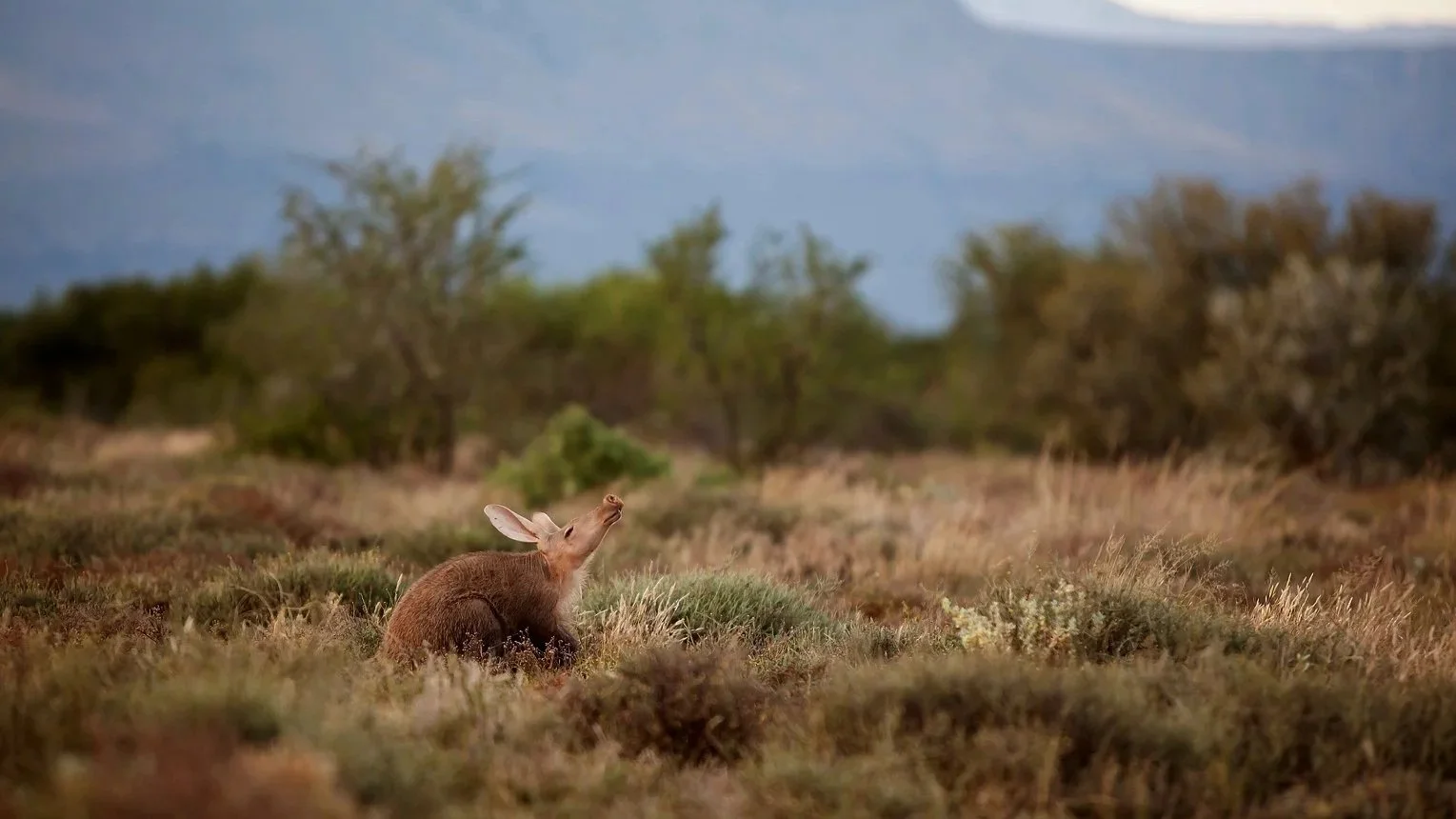
preparing for intense heat and drought, this reserve is stockpiling emergency fodder and investing in firefighting equipment
In the semi-arid Karoo, El Niño is set to bring lower rainfall and higher temperatures. That raises the risk of drought and large veld fires, and it will hit grazers such as zebras and white rhinos hardest as grass cover shrinks.
Our approach is to:
Stockpile emergency fodder before prices go up
Check our runoff waterholes for leaks, so the water we have is used well
Buy new firefighting equipment
There is still a lot of uncertainty about how El Niño will play out. We have just come out of a very wet winter, so groundwater reserves are high, and vegetation is plentiful for now. We will keep monitoring our boreholes for flow, water quality and depth through what is expected to be a drier summer.

Silvia Rico
We are constantly monitoring the situation.
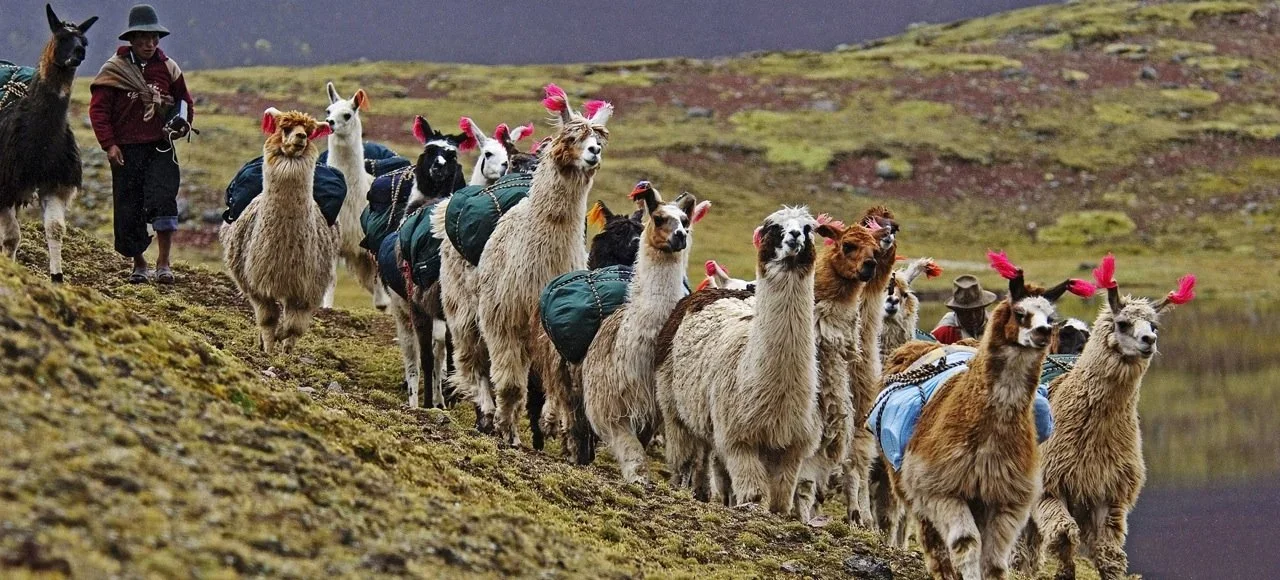
In Peru, El Niño is expected to bring drought to the Andes and the Amazon during our rainy season (January to March), and heavy rain to the coast. For now, we are not recommending Peru's northern beaches over the festive season and after.
Some fires are happening in the mountains. They are linked to farmers' annual practice of burning their fields, but with little or no rain, these burns need closer control to stop them spreading. So far, the impact has not been huge, but we are watching closely.

Maria Piperides
General Manager
Sirikoi Lodge
Preparing for floods, this Kenyan lodge is doing everything in its power to protect staff, guests and endangered species
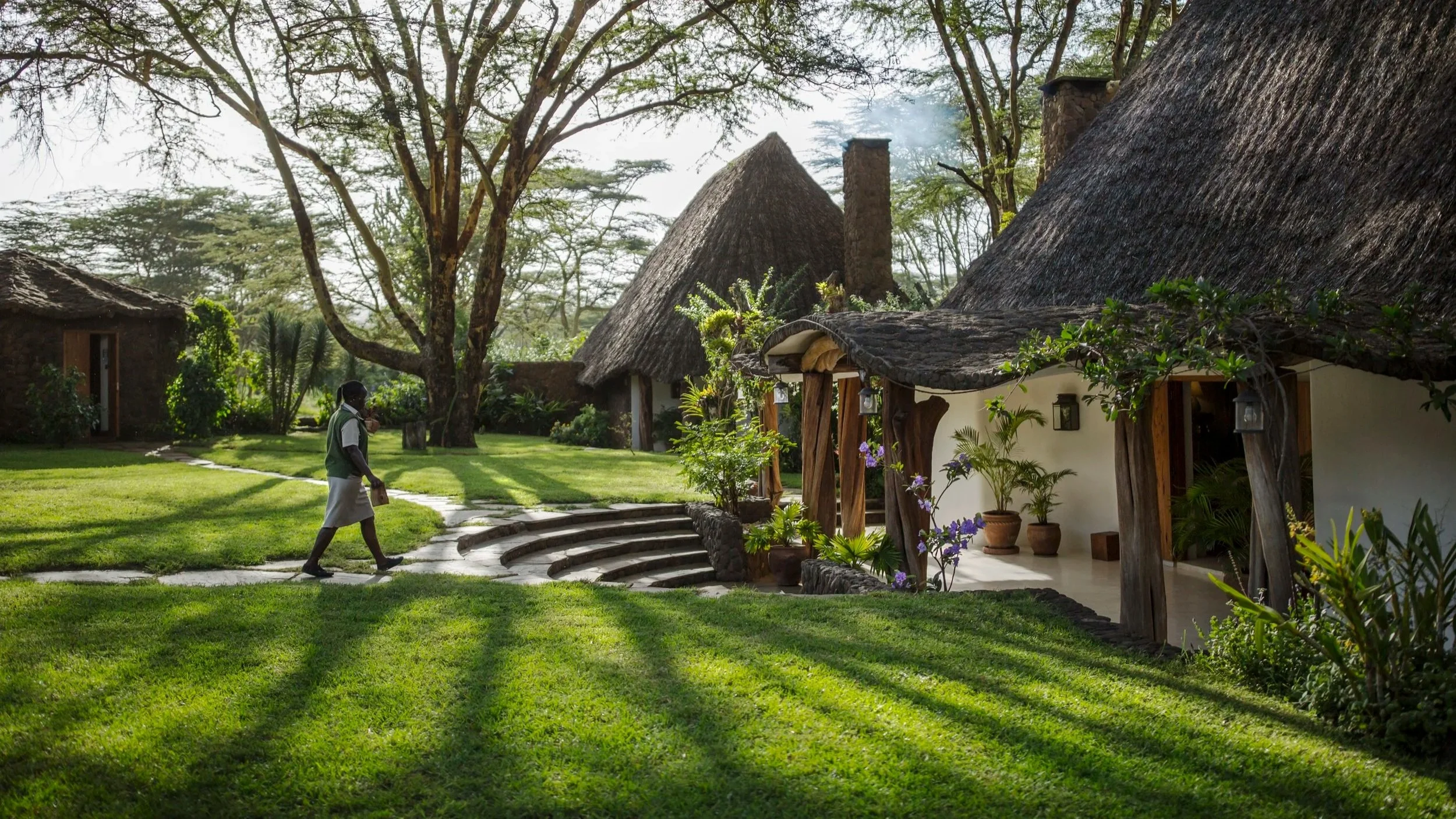
El Niño hasn't quite materialised for us yet, but we started preparing months ago.
We have secured the river, added channels to divert water away from the lodge, and diverted water from every area where heavy rain could cause problems. Our staff have been trained so they understand what El Niño could mean for us.
If the rains don't come, we stay in drought, and it will get worse. We are already discussing water management and savings, and planning extra support for feeding and watering endangered species on the conservancy. We had to do this in 2023 after a four-year drought, and we managed to protect a lot of wildlife while keeping guests informed about saving water.

Marcus Cotton
Mentor and Managing director
Tiger Mountain Pokhara Lodge
for a lodge in nepal that is perched on a hilltop, landslides are the risk
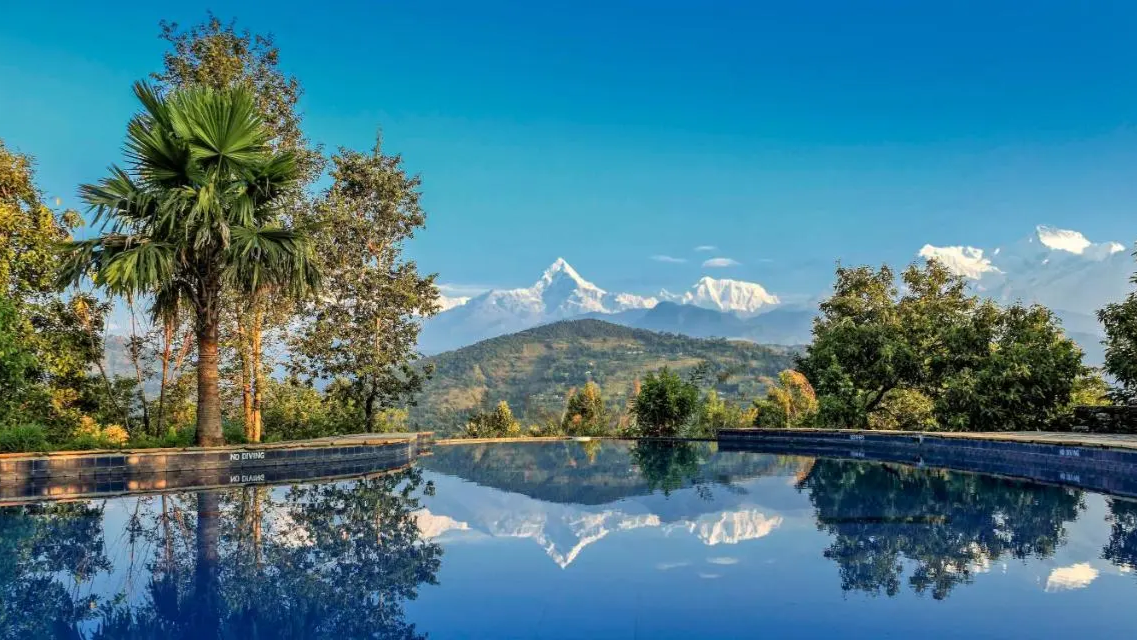
Sitting approximately 300m feet above the Pokhara Valley, a doon valley in the central Himalaya, we would need a flood even more cataclysmic than a super El Niño is likely to generate.
Our hilltop site could, however, be threatened by landslides triggered by torrential rain. So we maintain good woodland cover, with enough light for both a crown canopy and an understorey, and our bedroom cottages have foundations fixed deep into the bedrock.
Should an apologetic flood ever lap at our boundaries, we will remove our wellies and clamber up the ridge to Thulokot, a fort of refuge marking the boundary between the ancient fiefdoms of Kaski and Lamjung. They were only united in the 19th century, when the hereditary Rana Prime Ministers were awarded the title Raja of Kaski Lamjung.

Dr. Andrea Ferry
Group Sustainability Coordinator
Singita
Preparing for sweltering heat, singita kruger national park are managing guest room temperatures
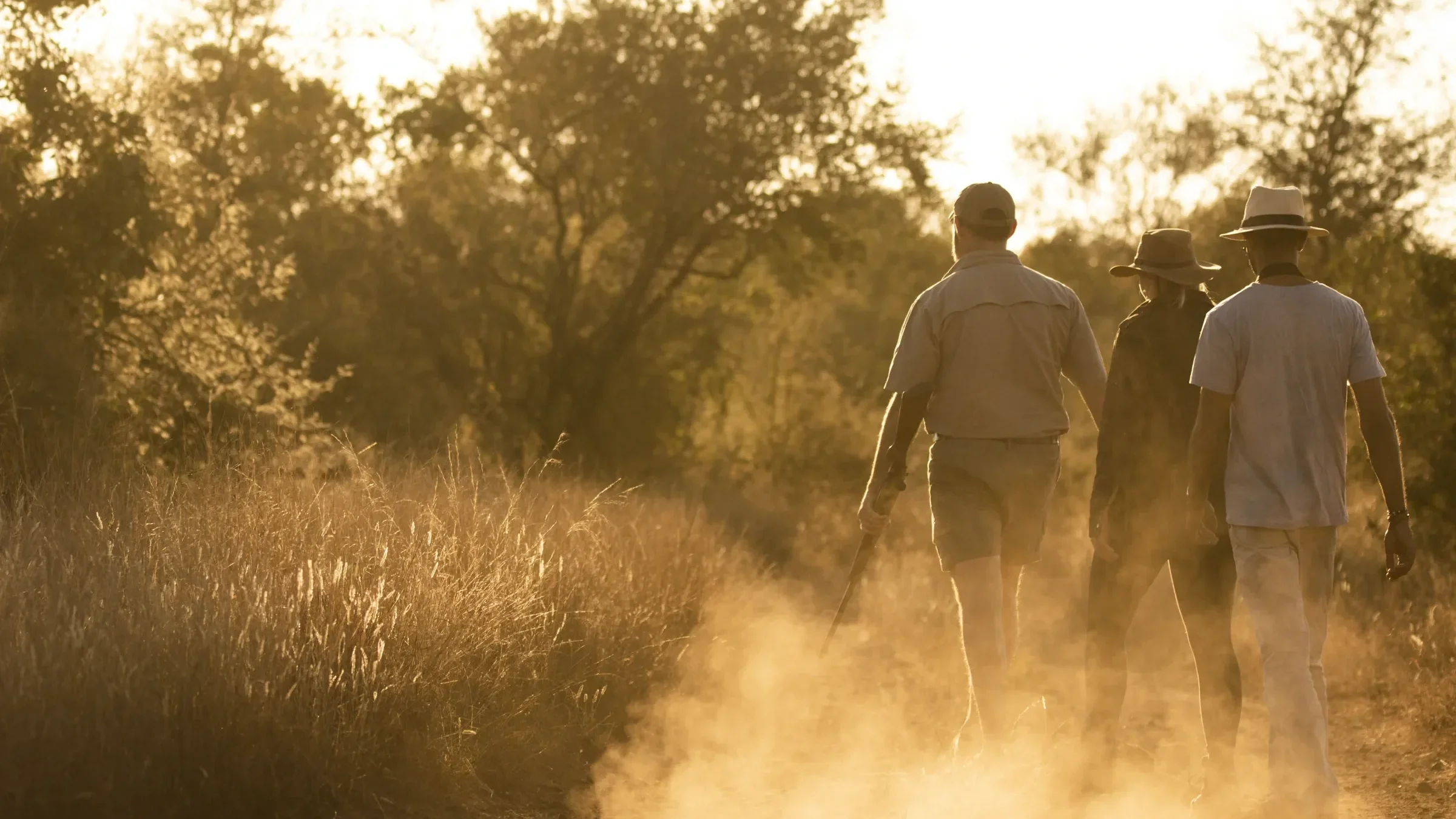
Singita Kruger National Park has had extremely high and consistent temperatures in the last few years, and El Niño is likely to make this worse. Days above 40°C affect both guest experience and staff welfare. To help, earlier this year we:
replaced the glazing in Lebombo Lodge's guest suites with double glazing
installed side windows to let natural breezes through
upgraded the air-conditioners for better temperature control
On particularly sweltering days, management sets up cooling stations back-of-house for staff, with cold drinks, ice and towels.
Get the next edition in your inbox. Every month, we ask our members one question and share their honest answers. You’ll hear from lodges, reserves and travel businesses dealing with the same challenges you are.