
Looking back, which failure in your sustainability journey taught you the most?
This month, we asked our community of the world’s best minds in sustainable tourism:
Looking back, which failure in your sustainability journey taught you the most? What concrete changes did you make as a result?
Here are four remarkable responses:
“People are into travel because it’s a holiday, and they want to have a good time. We should never forget about that.”
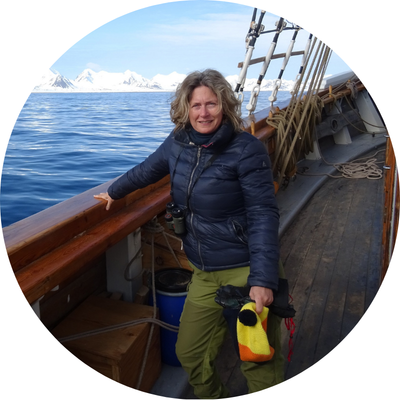
Annemiek van Gijn
Founder/General Manager
All for Nature Travel, travel business member since May 2018
On selling the dream instead of selling sustainability.
When we started All for Nature Travel 16 years ago, we were totally focused on nature conservation. Our slogan translated as “Travel for Nature Conservation.” The result? A lot of media attention and only a few die-hard customers.
After three years, we changed our slogan to “The Most Beautiful Wildlife Journeys.” (A Dutch translation of course!). That’s what gave us the customer numbers we needed.People are into travel because it’s a holiday, and they want to have a good time. We should never forget about that!
The lesson was a marketing one as much as a sustainability one. Humans care less about sustainability jargon and more about how the journey will make us feel. Once we led with the experience instead of the cause, everything changed.
P.S. Since COVID, this has shifted slightly. We’ve noticed people are choosing us because they can have a positive impact. Our interpretation: you can only have a truly beautiful wildlife holiday when you’ve bought off the guilt of your long-haul flight.
“Certifications can help steer you in the right direction but they should not derail you or steer your strategy.”

Natalie van Ogtrop
Sustainability Manager
Khiri Travel/Cardamom Tented Camp, member since march 2024
On chasing certifications instead of impact
2025 was a BIG learning year.
I was new to my role, new to certifications, new to the DMC world, and back in Asia after ten years. Khiri Travel was immediately pursuing GSTC; our other hotel properties were chasing different certifications simultaneously.
It was information overload, and at times it felt completely overwhelming. I had no idea where to start, what to focus on, what to push forward.
What I learnt over time was twofold: 1) don’t lose sight of your mission, and 2) strong foundations matter.
Meaningful impact requires focus. Not every initiative needs to be pursued at the same time, and trying to excel in everything can dilute the things that matter most. It all sounds self-explanatory, but when you’re deep in the certification process, it’s hard to see and even harder to realise.
So here’s what I did last year:
A lot of listening: Internally with my teams, and externally at conferences.
Internal reflection: What do we find important as a company, and how can we align that with our certification requirements?
12 Sustainability Cornerstones: The twelve things we believe must be the foundation at every property.
Staying kind to myself: Knowing that everyone has their own journey and nobody is really behind. You’re just focusing on different things.
“Sustainability isn’t a one-time project. It’s an endless commitment where you must work with natural rhythms rather than against them.”
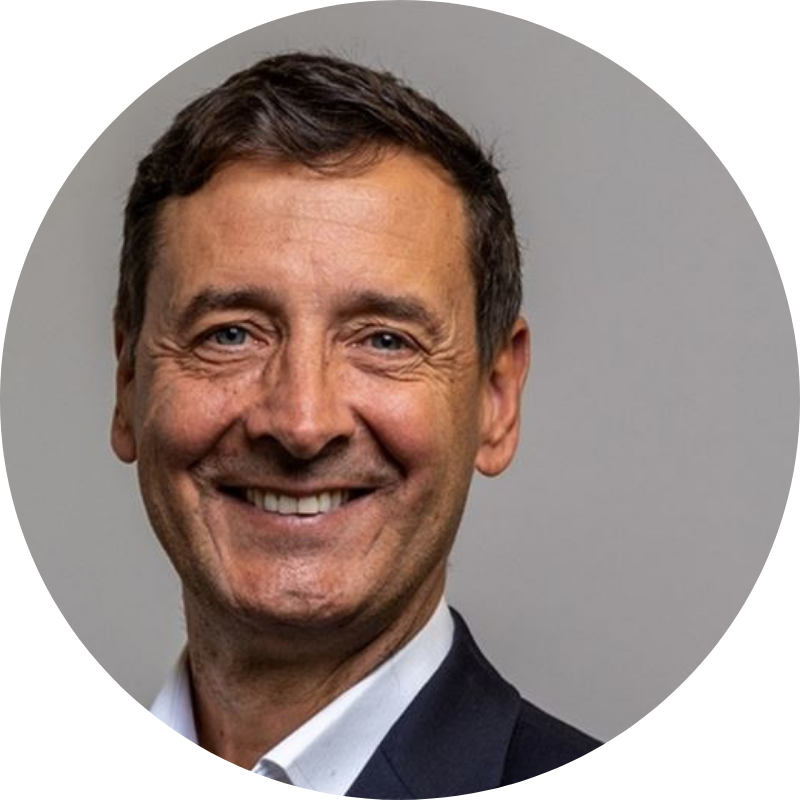
Nico Maraais
We underestimated everything.
The sheer costs, the resources, how relentless nature can be. After investing heavily in erosion control, a single intense storm could undo months of progress, washing away topsoil and exposing vulnerabilities we hadn’t anticipated.
As a family-run business, we bit off more than we could chew, trying to tackle habitat rehabilitation, water management, and biodiversity programmes all at once.
It taught us that small, consistent actions yield the most impact over time. And that there’s often little meaningful support from government or conservation agencies, which forced us to seek out our own experts.
As a result, we made several concrete changes:
Shifted from broad overhauls to targeted, phased projects: starting with water security in our water-scarce Klein Karoo region.
Implemented greywater recycling, captured rainwater from rooftops, and transitioned from water-intensive grass to drought-resistant succulents.
Refined erosion and land restoration with expert input: no-chemical zones, on-site composting, and circular growing methods to build soil resilience.
Added adjacent farmland to the reserve: scaling sustainably without overextending.
For anyone on a similar path: patience, adaptability, and remembering that in the Karoo’s “Land of Great Thirst,” every drop—and every decision—counts.
“Sustainability is not just about funding or projects. It’s about relationships, transparency, and shared ownership.”

Mercy Imali
Sustainability Coordinator
Saruni Basecamp, member since December 2020
On why you can’t throw funding at a problem
One of the biggest lessons in our sustainability journey was realising that good intentions alone are not enough.
Community engagement must be continuous, not assumed.
At one point, we believed that because we were supporting conservation and community initiatives financially, our relationship with local partners was automatically strong. But feedback revealed gaps in how regularly we engaged people and how involved they were in decision-making.
That was a humbling moment.
The real lesson? You can’t just fund a community project and expect it to thrive. Sustainability lives in the day-to-day conversations, the shared decisions, the trust you build over time.
Here’s what we changed:
Structured regular dialogue with conservancy leadership and community representatives. Not just when there was something to report!
Improved how we document and share progress, so partners can see the impact and contribute ideas.
Introduced sustainability champions across our camps so that it’s woven into daily life, not just management-level decisions.
Missteps are inevitable. But when you address them openly, they strengthen both impact and trust.
Our community consists of 200+ of the best minds in sustainable tourism. What do you want us to ask them next?
We read every single message and your input shapes this newsletter - click the button below to let me know.