
Are sustainable travel businesses really nudging guests to change their behaviour?
Every month, we ask 100+ of the world's best sustainable tourism leaders a question and pick the best four answers. Their answers are disarmingly honest, practical and often rather amusing.
This month, we asked our community:
We talk a lot about weaving sustainability into the guest experience. Tell us about one guest who left committed to changing something, and how you know it stuck.
Here are 6 rich answers, from Ecuador to Malaysia to the Maasai Mara.
"One of the teenage girls piped up that one of her favourite things in the world was assembling flat-pack furniture."
Oli Dreike
Footprint & Sustainability Director
The Safari Collection, Sasaab and sala’s camp
A teenager volunteered to assemble desks, and her family has funded conservation tech ever since
A few years ago, we had a lovely multi-generational family stay at Sala's Camp in the Maasai Mara. They had already spent four nights in the Serengeti across the border and had seen huge herds of wildebeest and all sorts of game. The grandmother was a keen birder and was overjoyed by all the new birds she had seen.
Having expressed an interest in learning more about conservation technology, they had also visited the newly completed Maasai Mara Conservation Centre. The building was complete, but none of the tech or furniture had been installed at that point. Their guide had told them that all the office furniture and computer equipment had just been delivered and was soon to be installed.
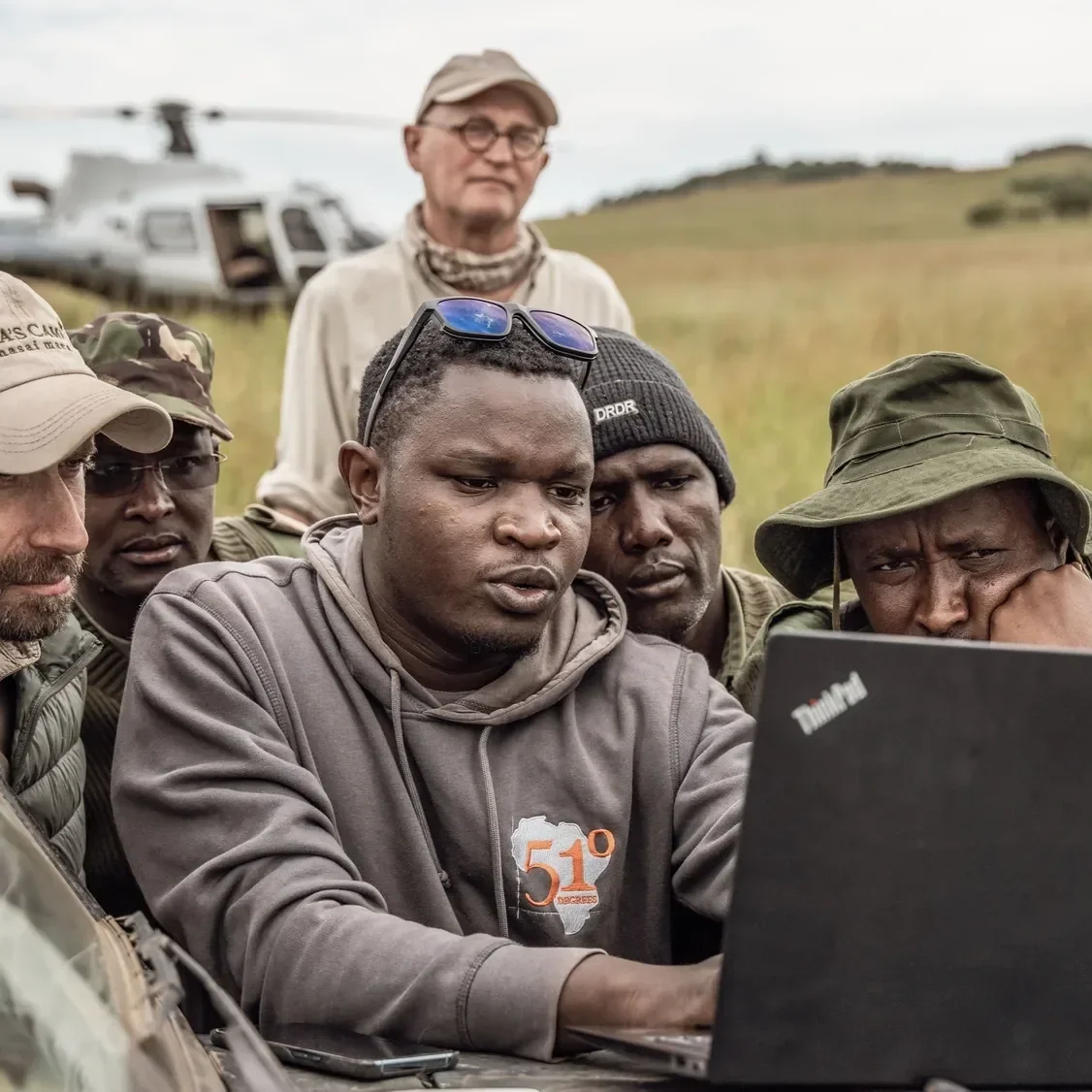
One of the teenage girls piped up that one of her favourite things in the world was assembling flat pack furniture. And being "all game drived out", she volunteered her second-last morning in the Mara to help assemble the desks and office chairs for the Operations Room, so that it was ready in time for all the tech to be installed the following week. She had the best morning!
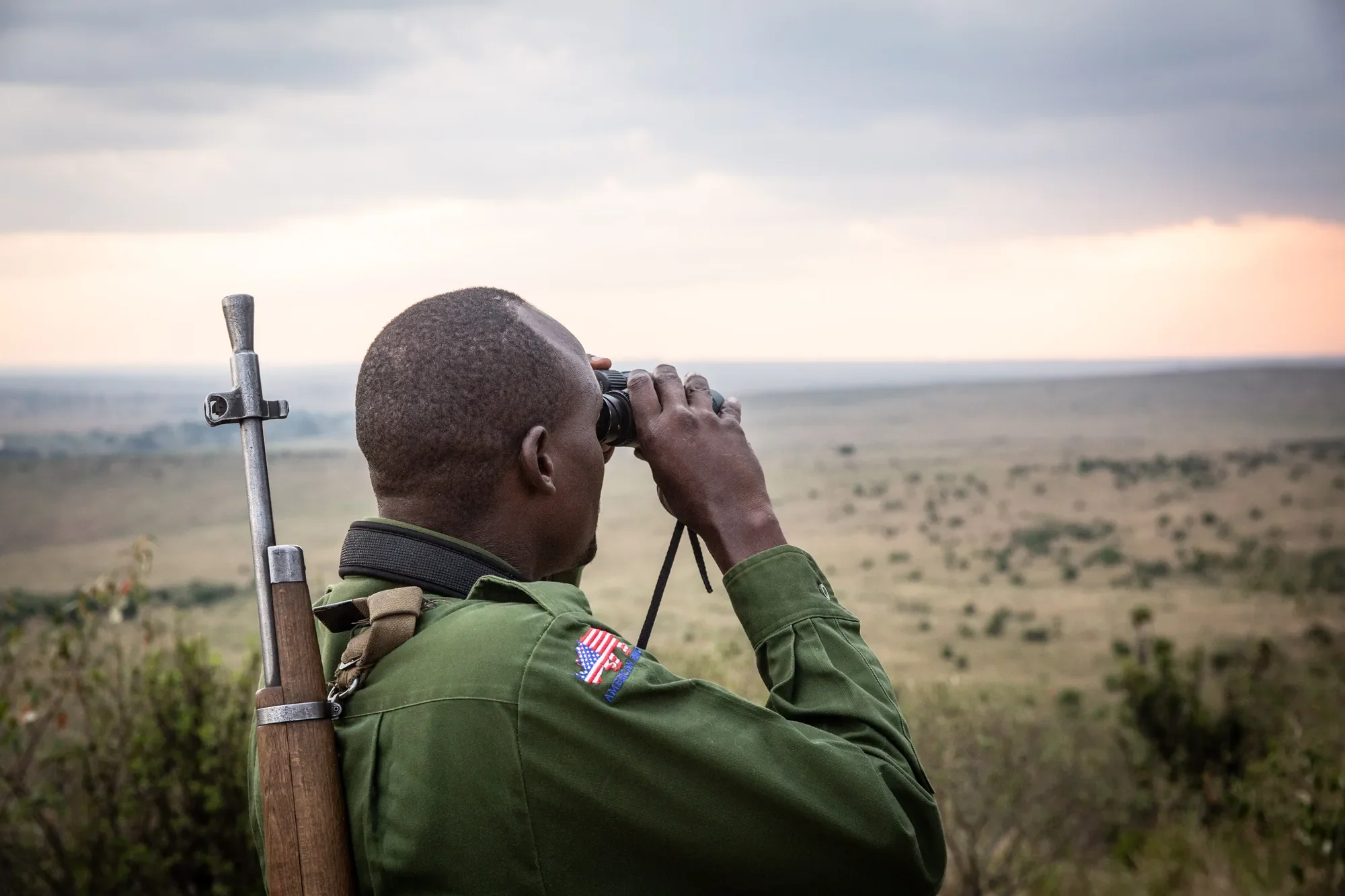
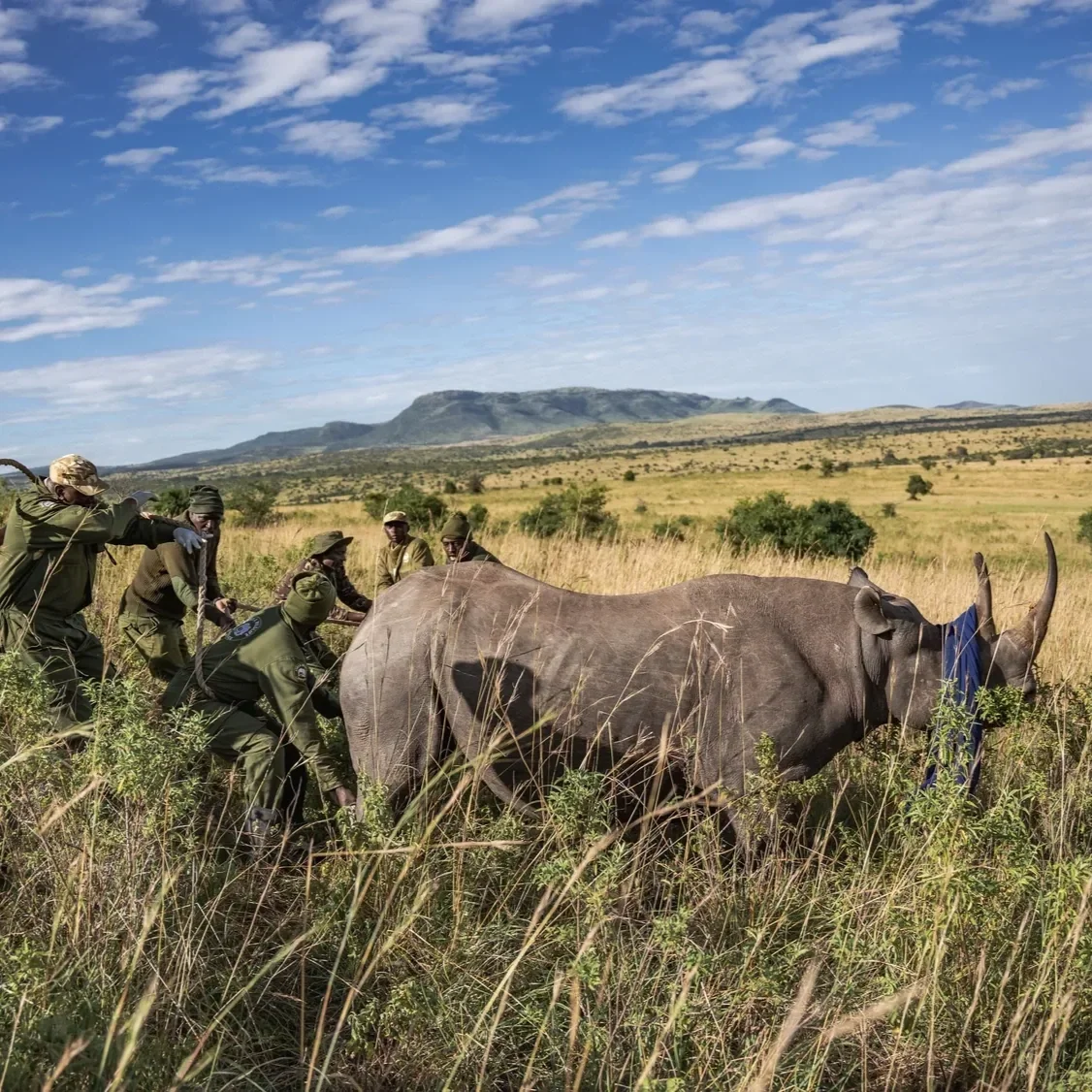
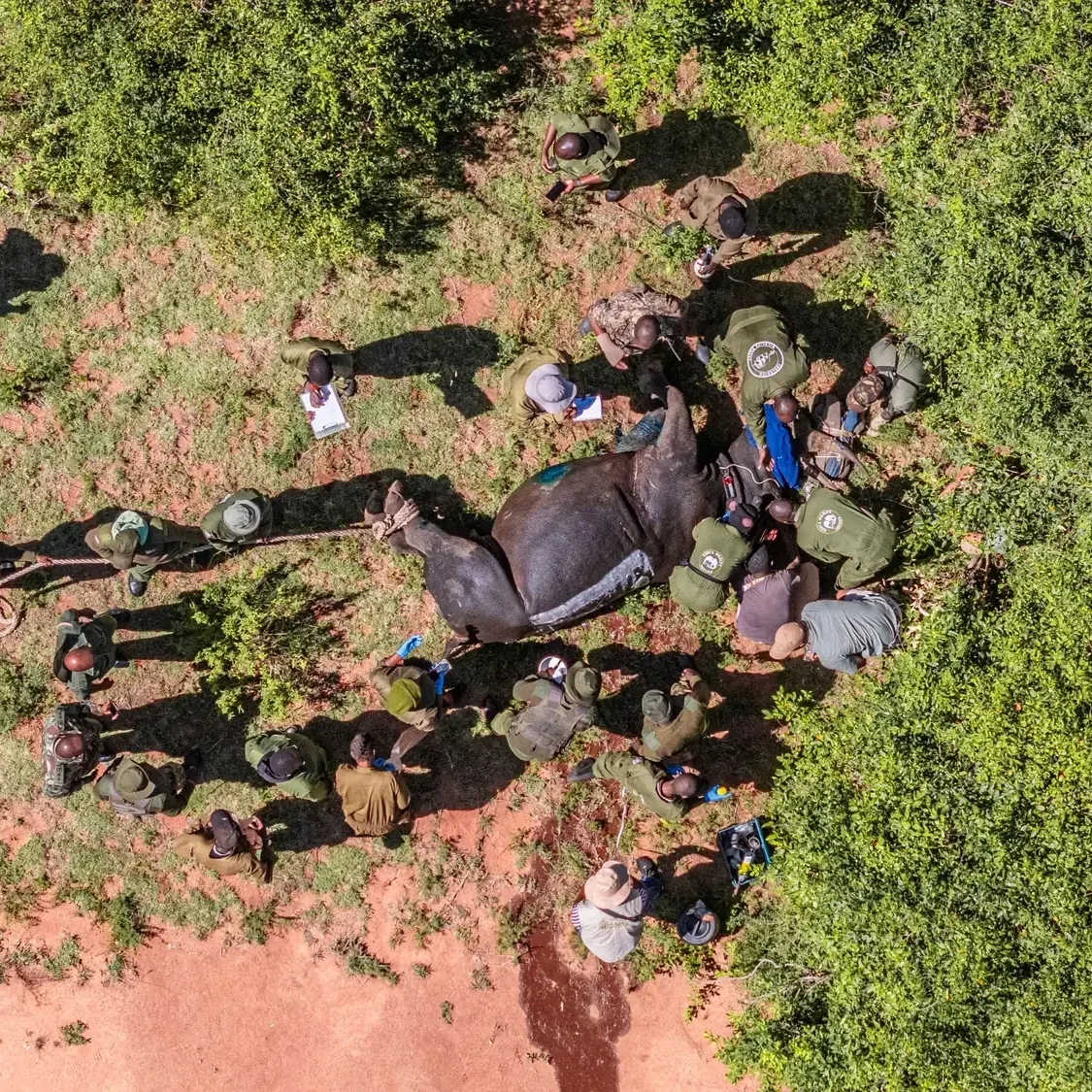
Over the past years, we have sent them regular updates on the progress and successes of the Mara Conservation Centre, and the family have become regular and significant donors to our Footprint Trust, helping fund various conservation tech projects including rhino ear-notching, camera trapping and EarthRanger training for our rangers. One of the guests is now looking at using EarthRanger to help protect and monitor some land she owns, and is trying to restore, in Belize!
Speaking of EarthRanger: see the genius ways our members are using EarthRanger to nudge guests to collect conservation data.
“It is less of a sacrifice and more of a conscious effort to lean into supporting the right people, properties and destinations.”

Cecilia Mueni
assistant footprint director
The Safari Collection, sasaab is a global ecosphere retreat®
How one guest has supported three Kenyan students long after checkout
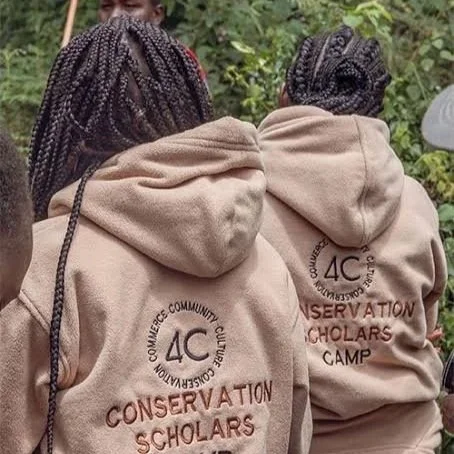
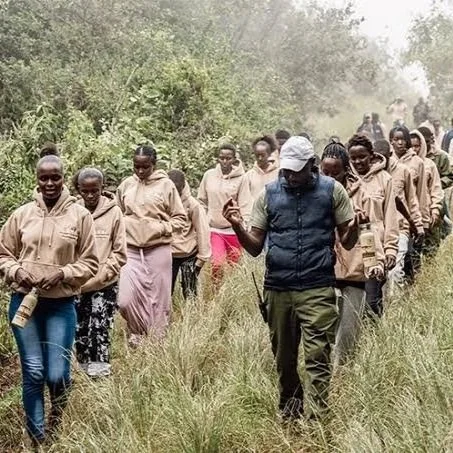
Eight years ago, a guest called Mary (not her real name) committed to sponsoring two local girls through high school. Today, both girls are university students. Mary has chosen to extend her support to another scholar, giving yet another young person the opportunity to pursue their dreams.
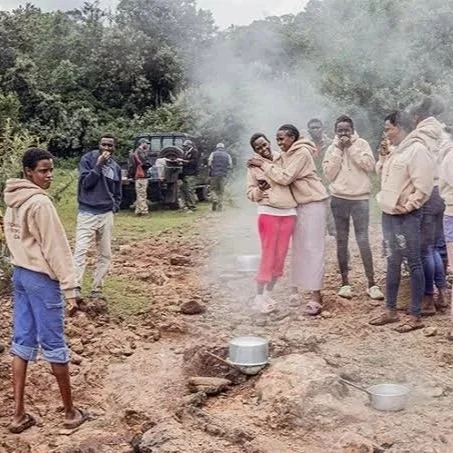
Set within a community conservancy in Samburu, our deepest commitment within The Long Run’s sustainability framework has always been to the Community ‘C’. One of the pioneering initiatives in this work is our conservation scholars programme, which began as a high school scholarship supporting students from disadvantaged families. Over the years, it has grown from supporting them through high school, into university, and, increasingly, towards meaningful work and career opportunities.
Much of the support for the programme comes from our guests, whose generosity has transformed what began as a scholarship into a journey of opportunity and hope. Mary is one of them.
Her connection to the programme has grown in beautiful ways over the years. Whenever she plans a visit to Samburu, she times it around the academic holidays so that she can spend time with the scholars while she is here. What began as a wonderful guest experience has blossomed into something much more meaningful: a genuine relationship with the community and a lasting commitment to making a difference.
“Some guests give small amounts while others give large sums that have allowed us to improve enclosures, build a clinic and more.”

Carolina Mosquera
Administrative Manager
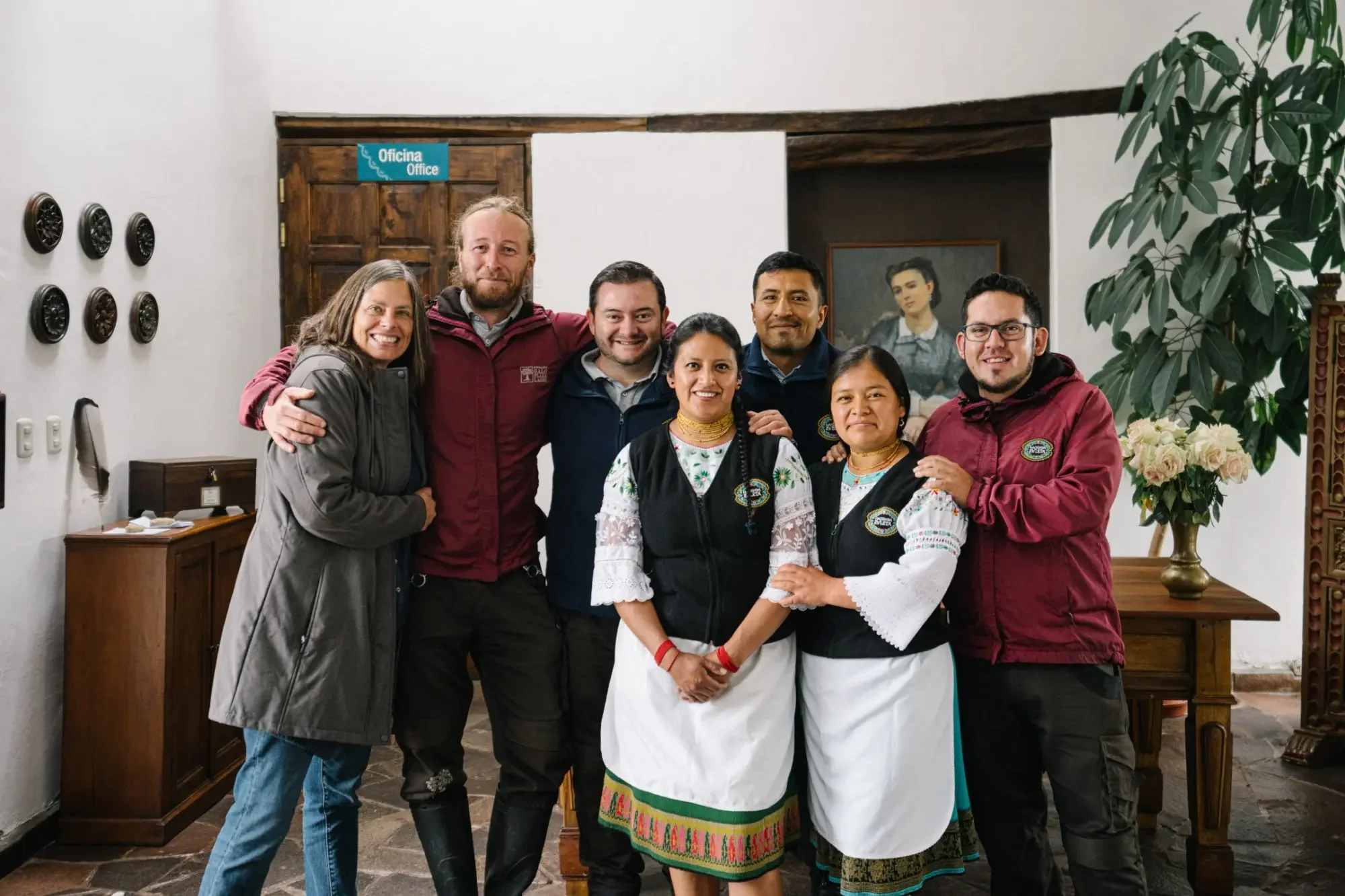
What makes guests and travel agents keep funding Ecuador's condors
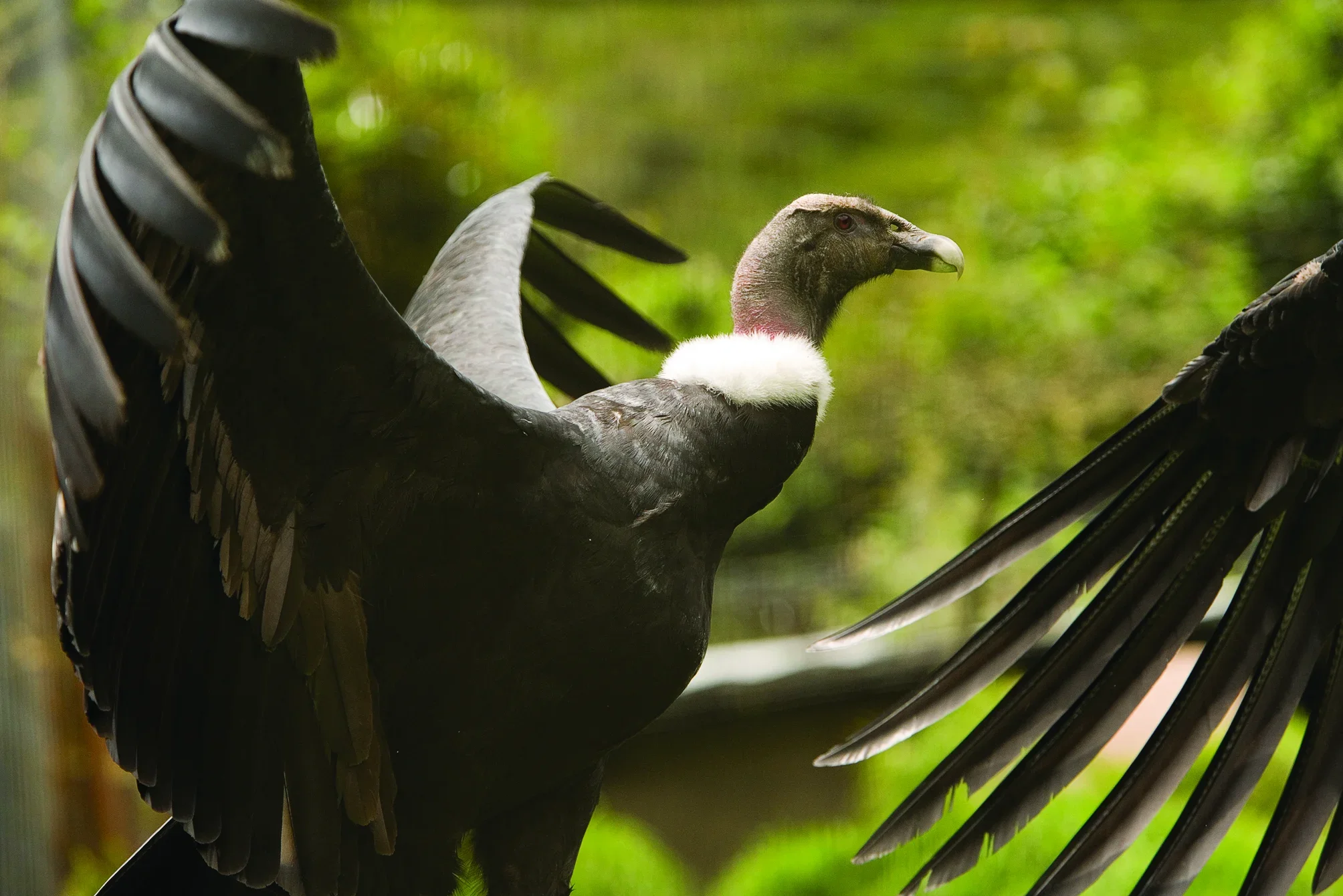
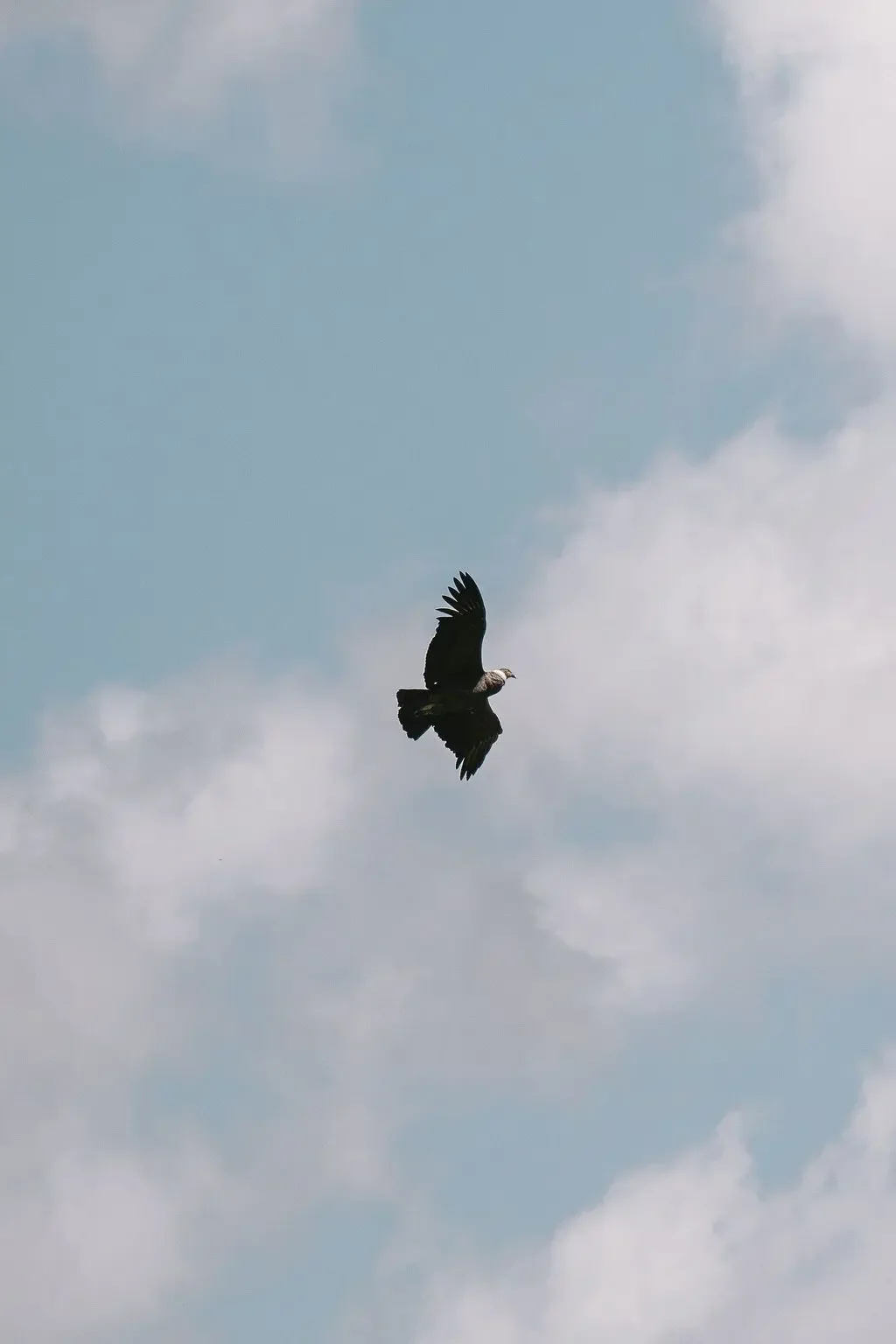
Hacienda Zuleta, through the Galo Plaza Lasso Foundation, runs a rescue centre for Andean condors, which are in a critical situation. The Andean condor is very important, not only because it is a local species in danger, but because it is a symbol that appears even on our national coat of arms.
The Cóndor Huasi project is part of the Condor Group, which works at a national level and brings together the Ecuadorian state and all of the country's zoos and rescue centres. Together we work to breed condors, with the vision of repopulating the skies of Ecuador with this incredible bird.
We also have an initiative that the travel agencies we work with love, called Adopt a Condor, through which Quasar Expedition and Gentian Trails have become involved, helping us cover the costs of the chicks.
We have consistent donations from guests who have decided to invest money in our project to improve infrastructure. Some give small amounts, while others, for example Jill Johnson and Rebecca Watkins of the Moondance Foundation, give large sums that have allowed us to improve enclosures, build a clinic, and more.
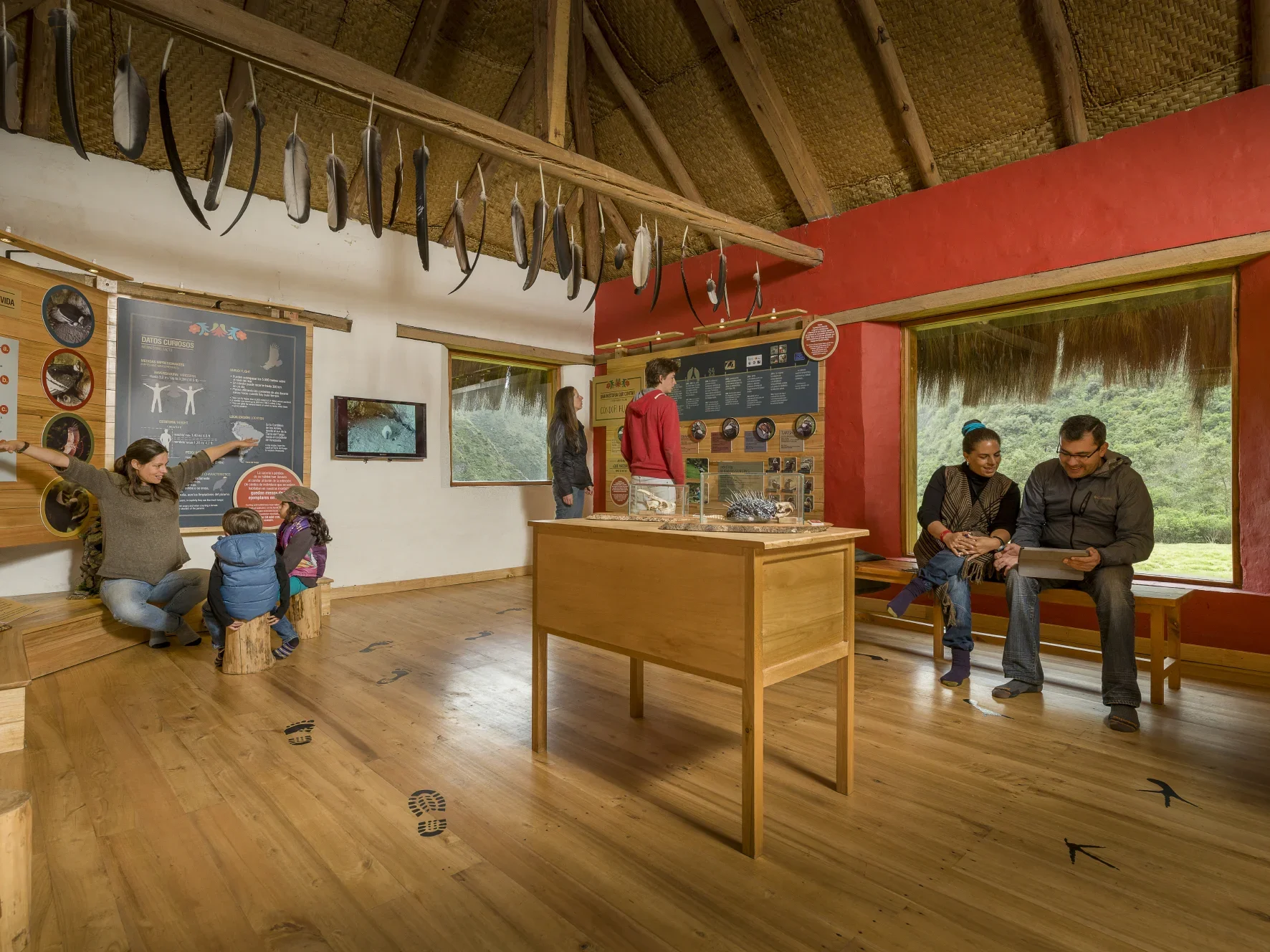
Why do agents and clients support the Cóndor Huasi project? Because it is real, it is tangible, and because our guides tell this story to the guests who visit. So I think it is a mix of being a genuine environmental project and telling the story well.
“Guests made donations right on the spot.”
Tami Larripa
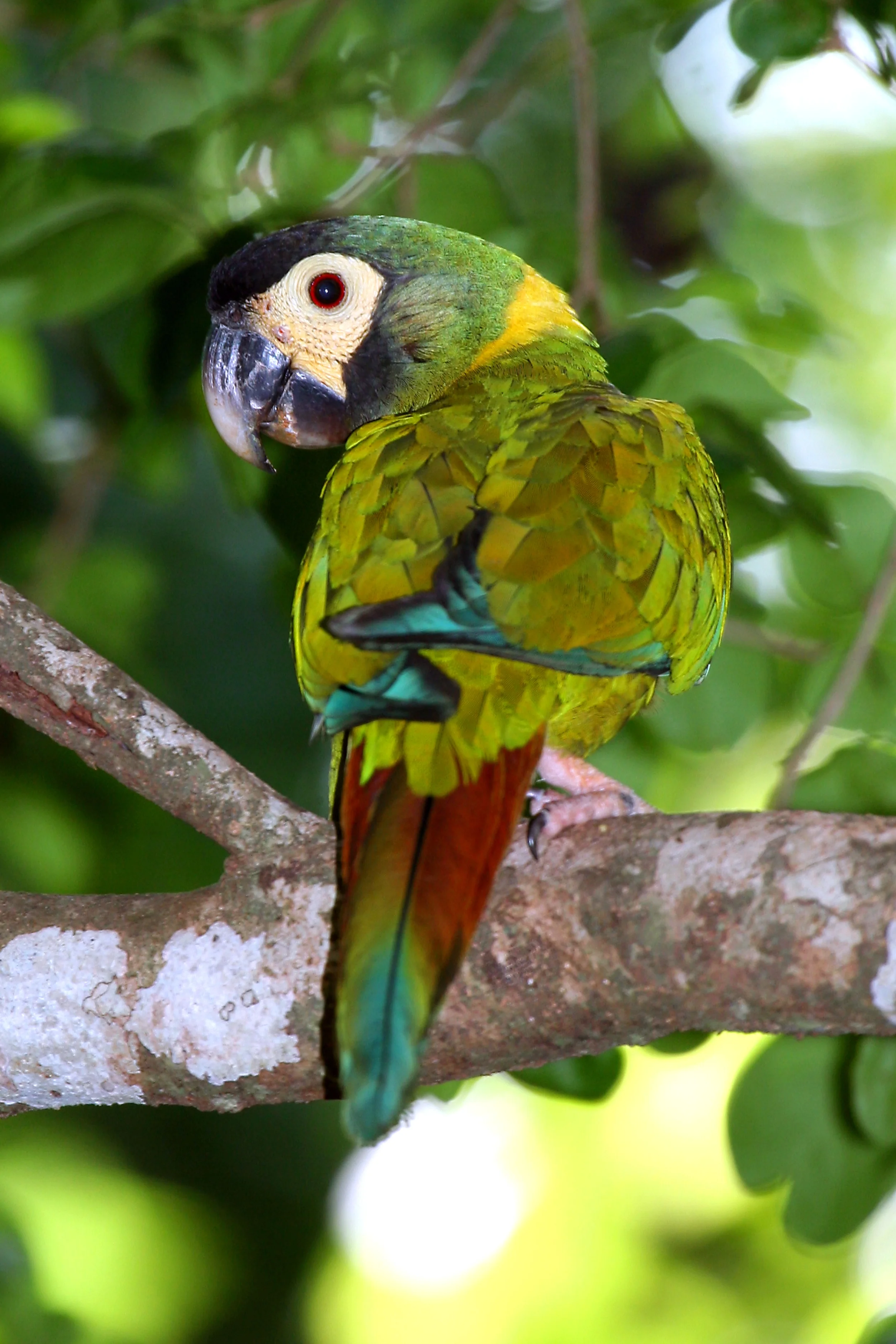
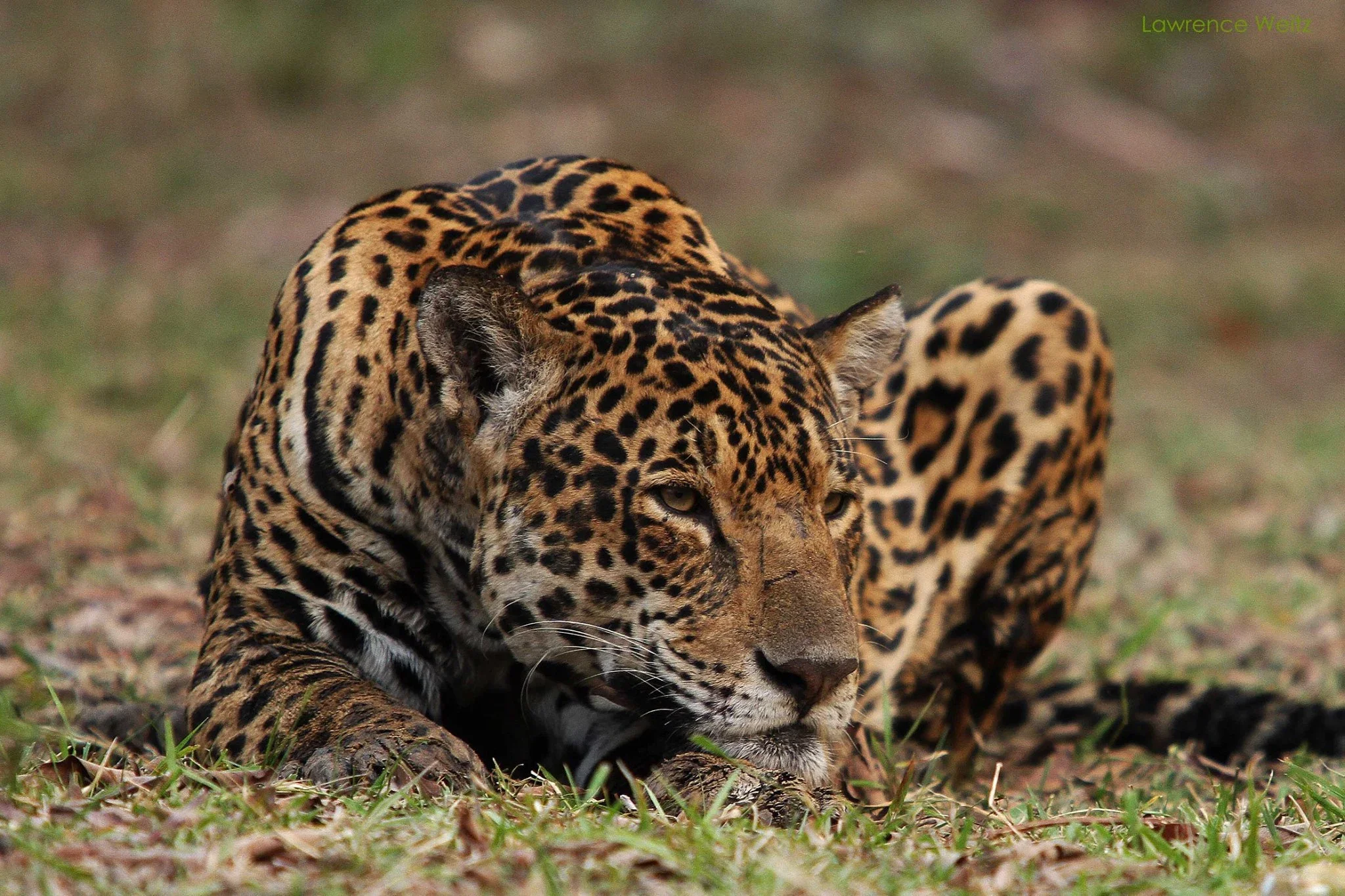
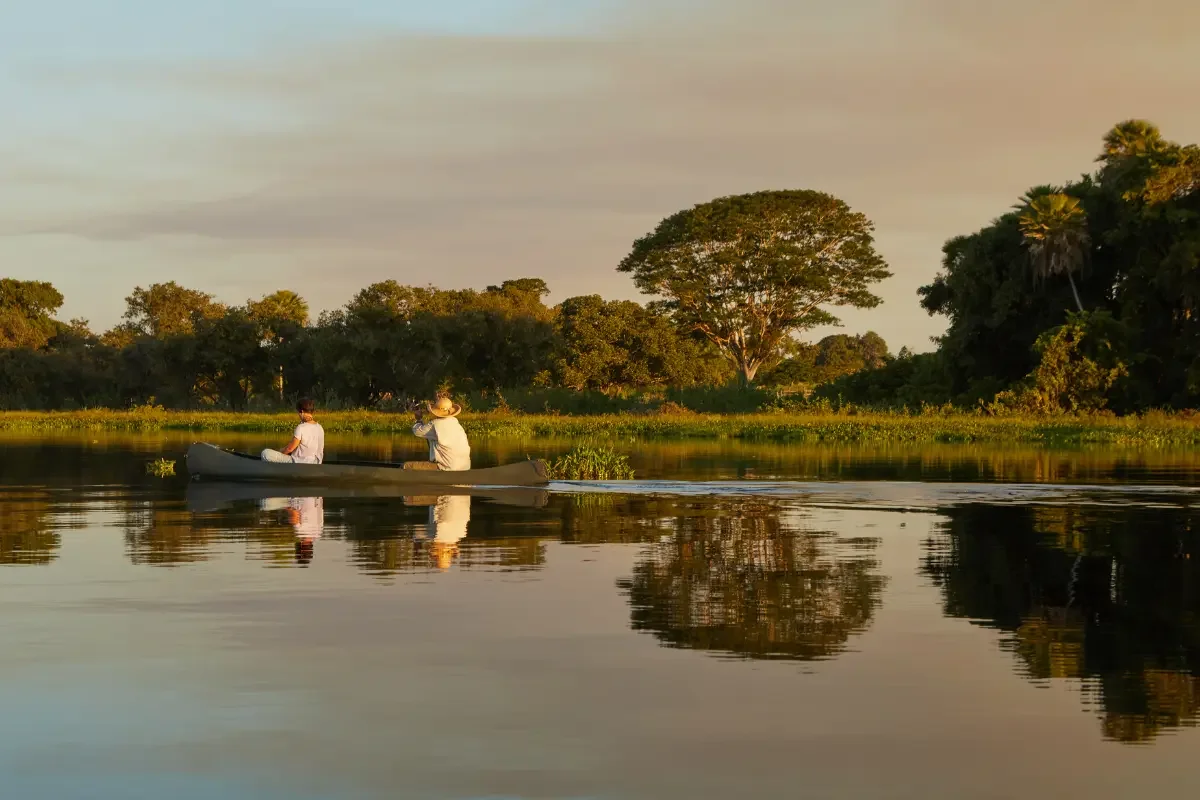
We had guests travelling to different parts of the Amazon and the Pantanal, and at each destination they were given lectures on the conservation programmes taking place there. These were mostly related to wildlife conservation, which intrinsically involves environmental preservation, cultural and community protection, and more.
As a travel business, we were simply the intermediary, asking for these projects to be presented to the guests because we knew they were interested.
As a result, the guests exchanged contacts directly with the project managers, directors and researchers, and made donations on the spot. More importantly, the clients are still in touch with them, suggesting ways AI can help these projects become more effective, or connecting them with other researchers and projects they know in different parts of Africa, thus creating a long-lasting chain of exchange
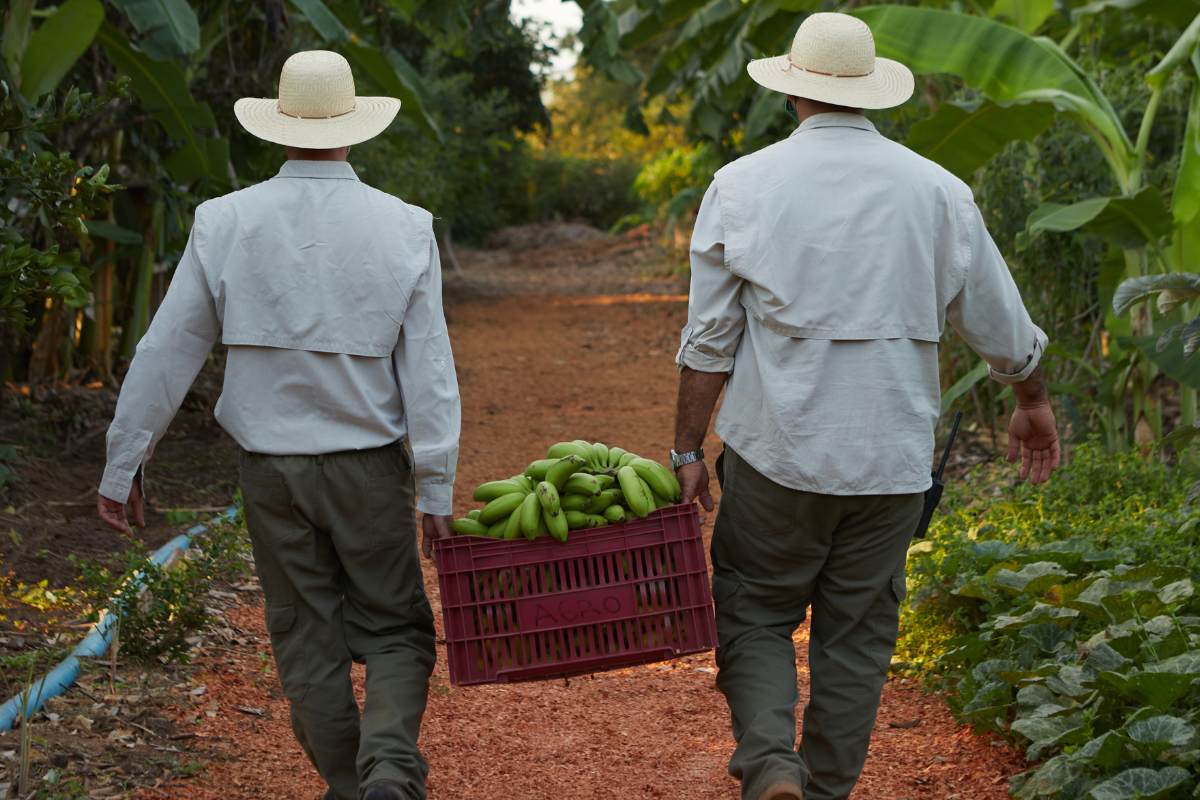
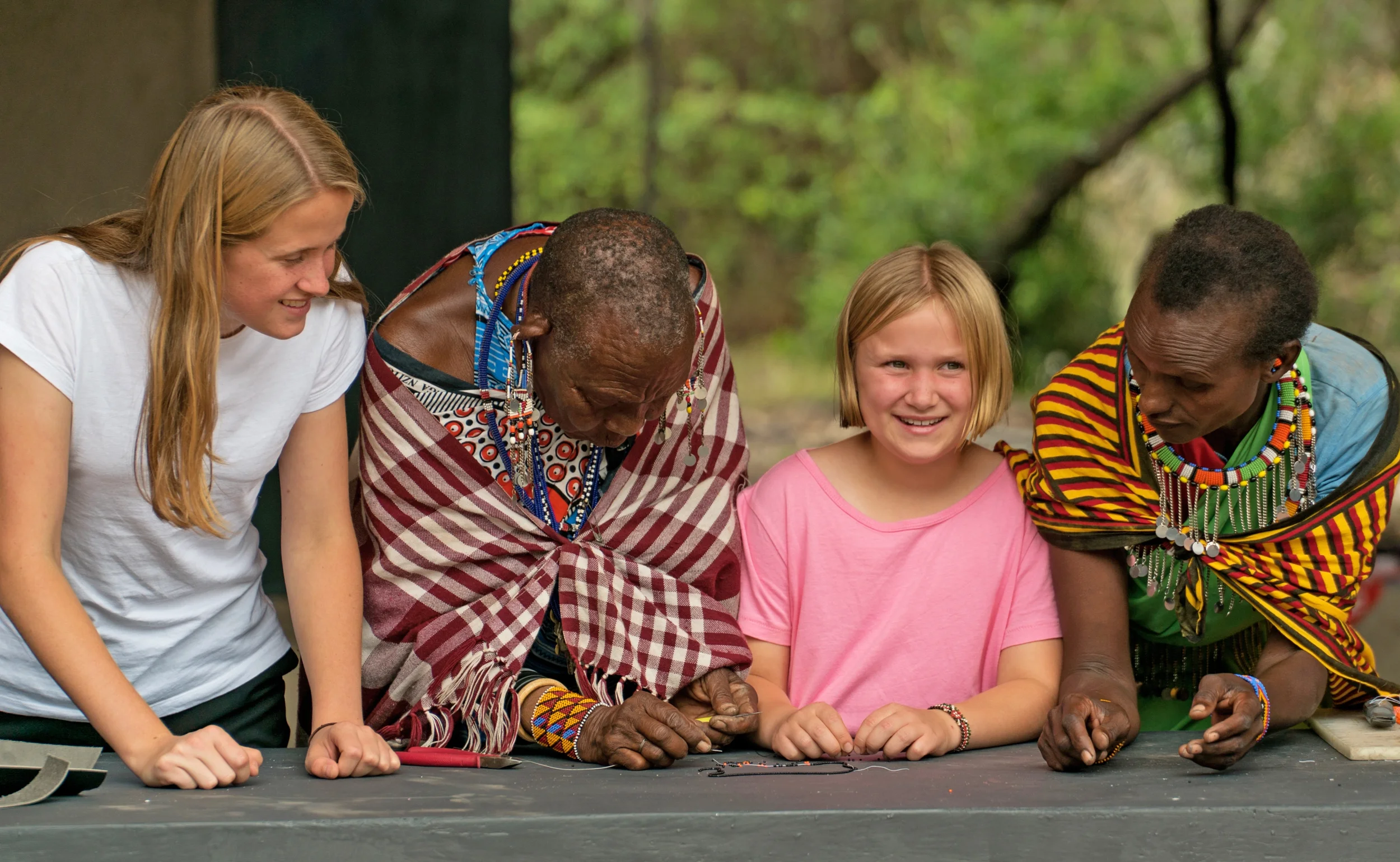
“At the beadwork project, he sat down with local Maasai mamas and actually took part in making the beadwork.”

Mercy Imali
Sustainability Coordinator,
He learned beadwork with local Maasai mamas, then offered to help us track our emissions
One guest who really stands out was a Sustainability Director from the UK who visited three of our properties across three different community conservancies: Kalama, Naboisho and Mara North. Across the three, he experienced different ways we weave our 4Cs into the guest experience, and he also shared some of the sustainability work he is doing in the UK.
What really stayed with him were two things: our beadwork project and our organic gardens.
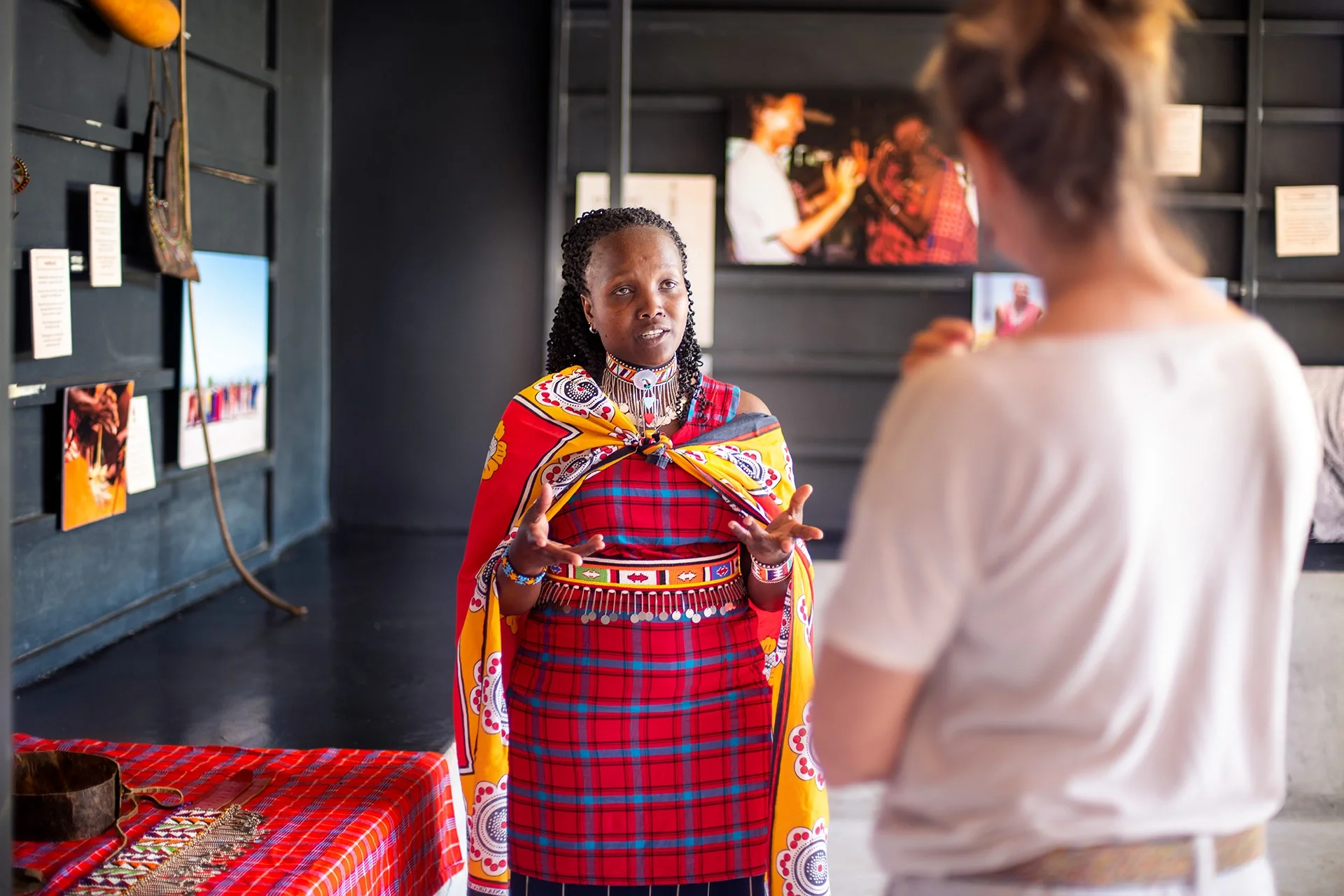
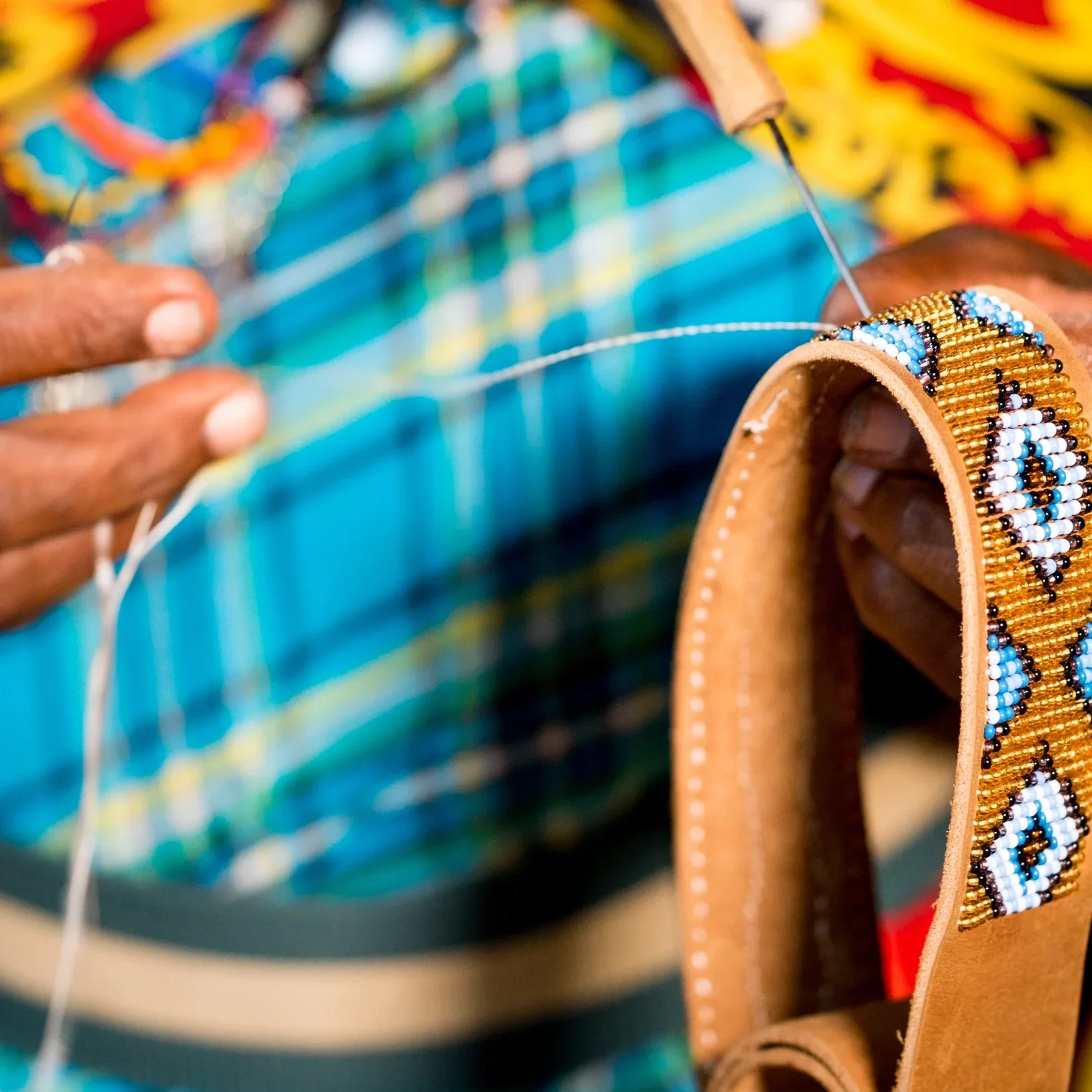
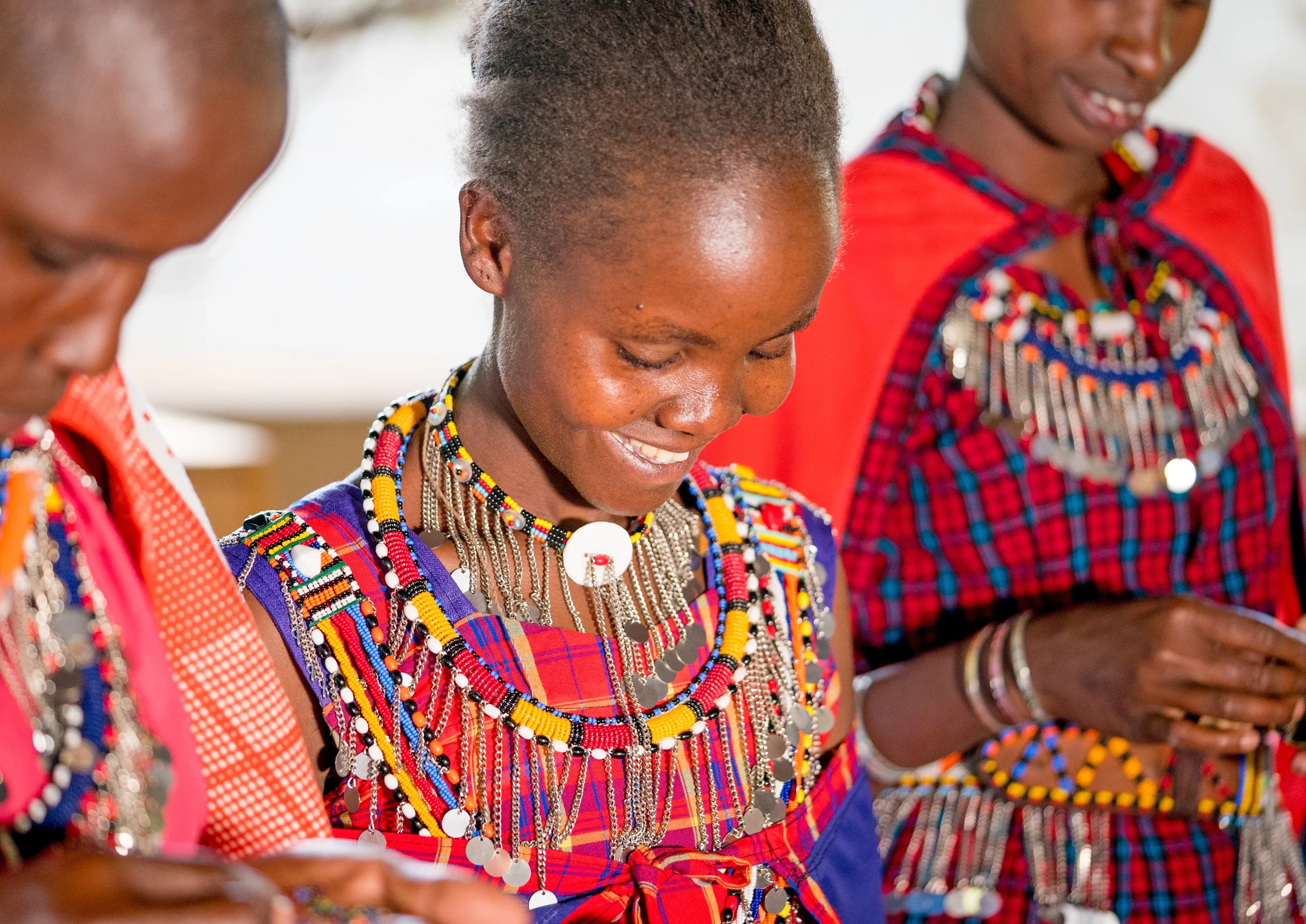
At the beadwork project, he sat down with local Maasai mamas and actually took part in making the beadwork. It gave him a very personal understanding of how tourism can create direct economic opportunities while celebrating and preserving local culture. He wasn't just being told about community impact, he was sitting with the women, learning from them and experiencing their craft firsthand.
The organic gardens also resonated with him because they demonstrated a very practical connection between sustainability and everyday camp operations, growing food locally, reducing reliance on external supplies and carbon emissions, and creating value within the camps.
What made the visit particularly meaningful was that it became a two-way exchange. He shared what they are doing in the UK, while we shared what we are learning and implementing across our conservancies and camps. We knew the experience had genuinely stuck with him because, before leaving, he shared his contact details and invited us to continue the conversation. He offered to share initiatives and best practices from his own work, particularly around how we can better track carbon scope 3 emissions associated with our guests. That follow-up turned a guest experience into an ongoing exchange of knowledge, and for me, that is a real measure of impact.
"More than 80% of the guests are willing to pay for the contribution fee, which means they're actively contributing to our conservation work."

Siva Sanggara Cheng
Sustainability Officer and marine biologist
Why more than 80% of guests keep an optional conservation fee on their bill
My engagement with guests is mainly on our back-of-house tour. I bring them to show them our black soldier flies and our composters, and then I talk about our solar and the business in general.
I'm a marine biologist by training so I can talk about the science properly, not just the sustainability side. Our other marine biologists at TIC are mostly out doing the conservation work rather than talking to guests, so I think that's a bit different from a lot of resorts.
I get some guests who just don't really bother. But then there are guests who are like, "Wow, you guys are doing a great job." Or, "Wow, I didn't expect you guys to have solar on a small island like that." I'd say it's about 50/50.
When guests check out and get their bill, we charge what's called a TIC contribution fee, which is a donation for Tengah Island Conservation. It's RM15 per night, and it's optional.
Yet more than 80% of the guests are willing to pay for the contribution fee, which means they're actively contributing to our conservation work. They feel that they are contributing to something, a good cause, which is great.
We've also set up a new nature library, and guests use the books to look up the fish, crustaceans and cephalopods they've spotted after snorkelling on our beautiful reef. They can also come and ask me questions about what they saw.
Every month, we ask 100+ of the world's best sustainable tourism leaders a question and pick the best 4 answers. Their answers are disarmingly honest, practical and often rather amusing.