
Behind-the-scenes of our 2026 East Africa Hub Meeting
How we made this: We use AI tools to help us sift through 3 days of recordings while we sweat the details to make writing we can proudly stand behind. We’re fanatical about protecting, and spotlighting, the human voices in our community and we believe this is reflected in the article below.
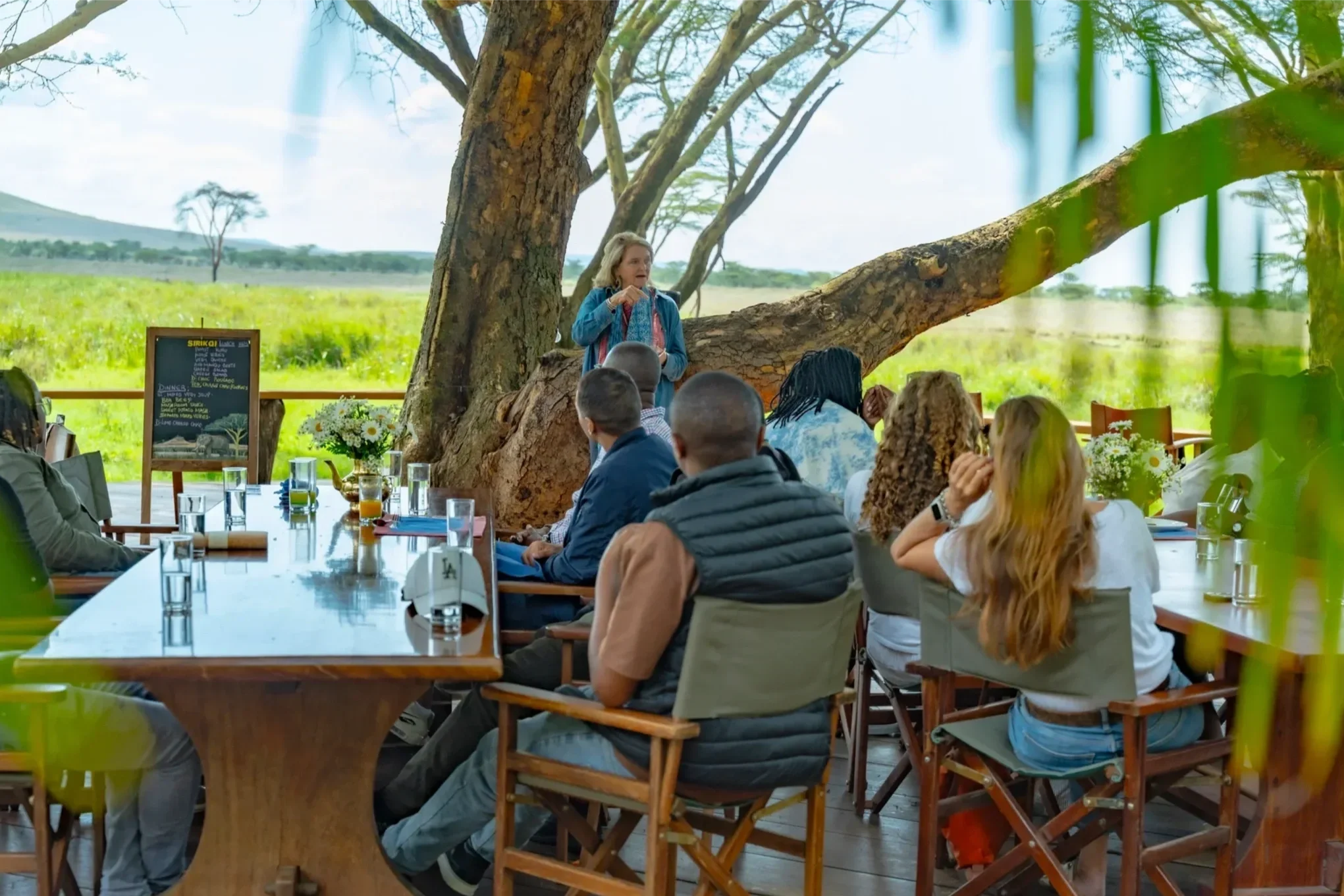
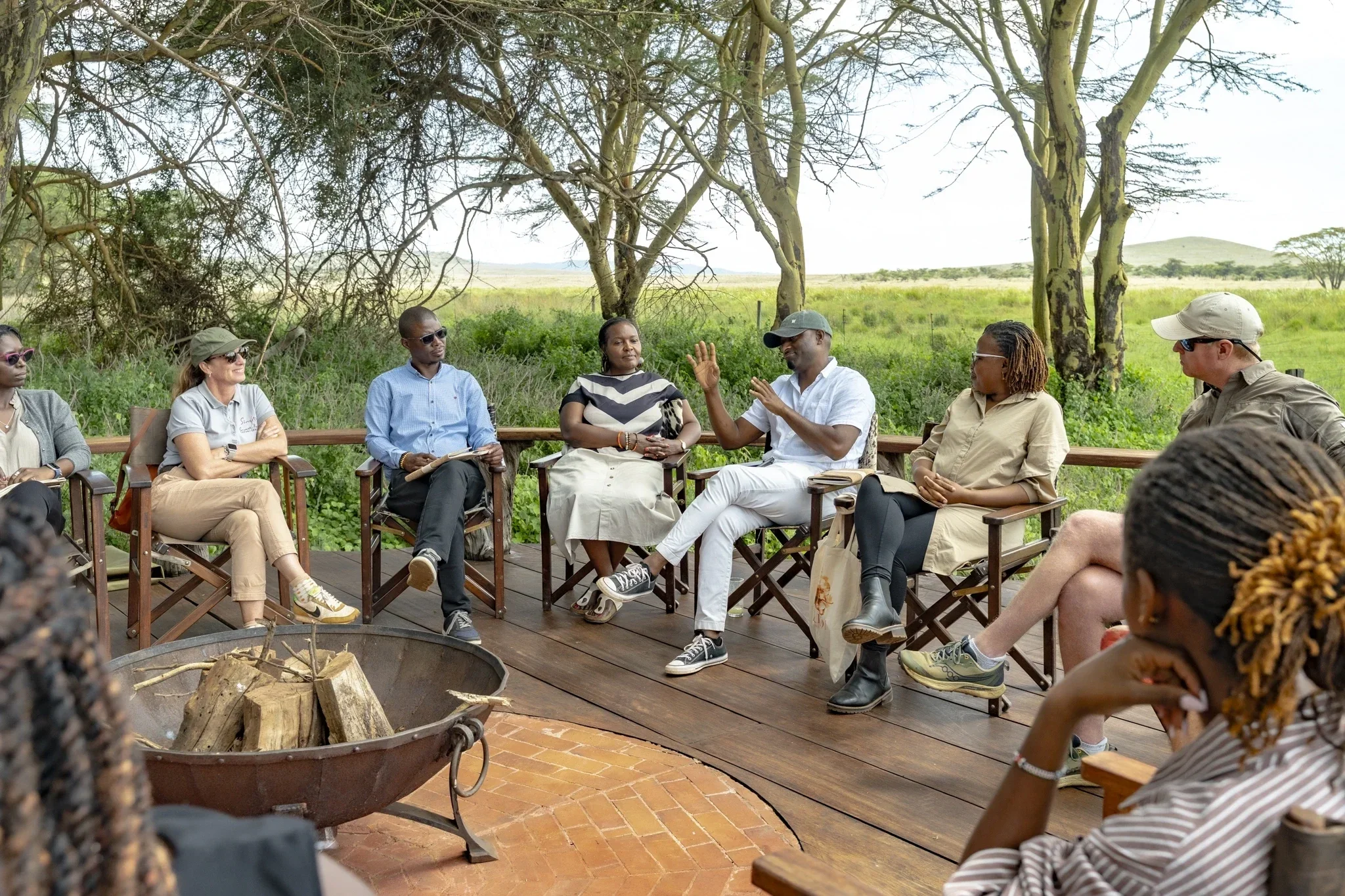
For the first time, we're making the key learnings from our regional hub meetings public. This June in East Africa, 28 peers and colleagues from 15 Long Run member organisations gathered at Sirikoi in Kenya to bring their hardest problems into the room and work through them together.
“The collaborative spirit, willingness to learn from one another and shared commitment to solving challenges together demonstrate the true strength of The Long Run. I left feeling inspired, motivated and optimistic for the future.”
The story behind Sirikoi Lodge, our host in Kenya
"Conservation in Kenya would be very different were it not for Willie and Sue Roberts, the couple behind Sirikoi Lodge. Willie, who passed away in 2018, fought a legal battle in Kenya's high court to ensure local communities could benefit from wildlife and the environment." That was how Tatler put it, and it is no exaggeration.
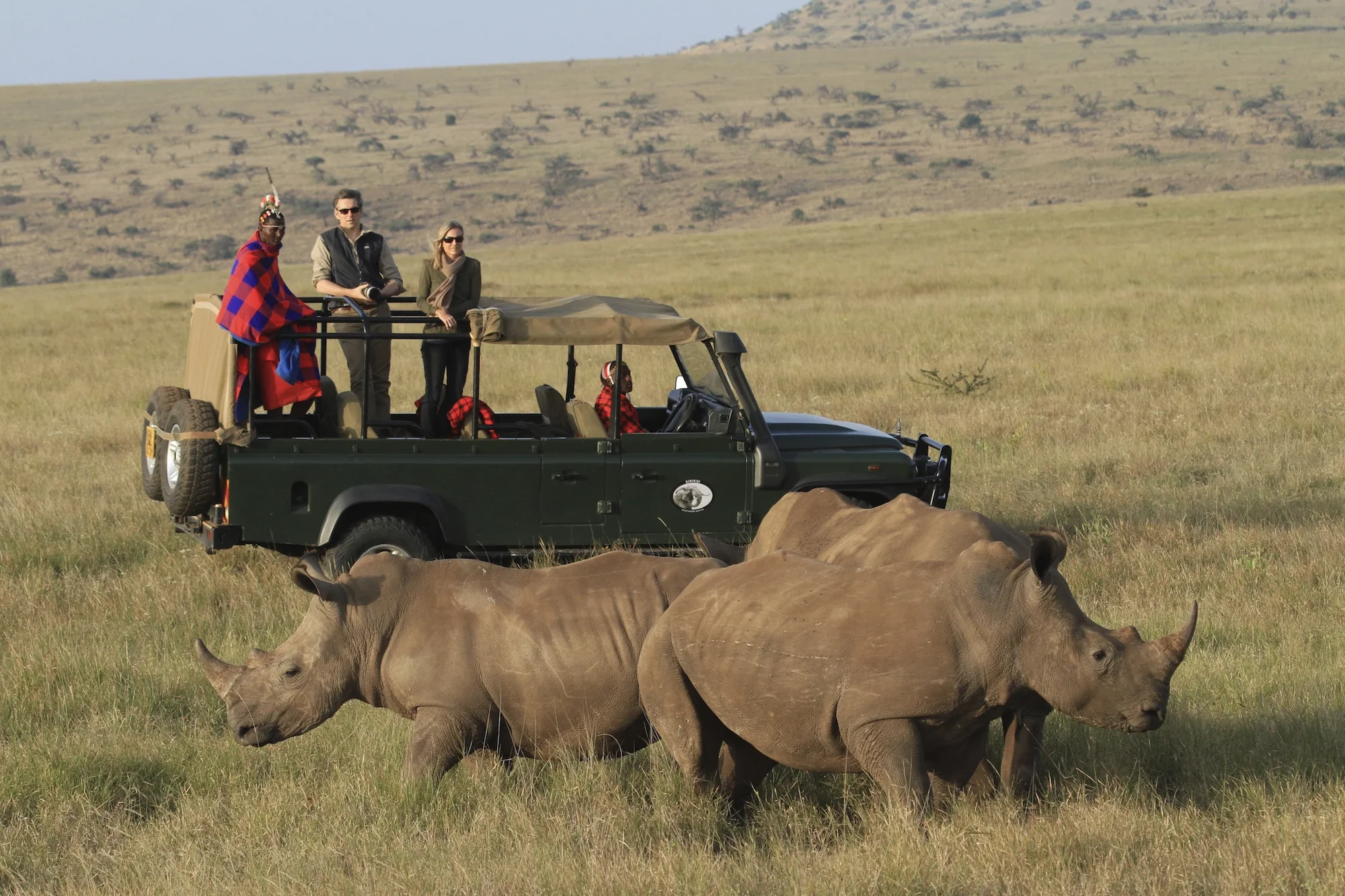
The wildlife corridor that Sirikoi sits within today was once on the brink of being lost. Through dogged determination, Willie Roberts, Co-founder of Sirikoi Lodge, found a way to save land that was a haven for critically endangered black rhinos and Grevy zebra.
Willie’s ingenious solution was a land swap, and it achieved three things at once:
Sirikoi gained land far better suited to tourism (after thorough approval by the local community)
The wildlife corridor in Lewa Wildlife Conservancy was kept alive
Local Meru farmers were given richer land that was better suited for farming
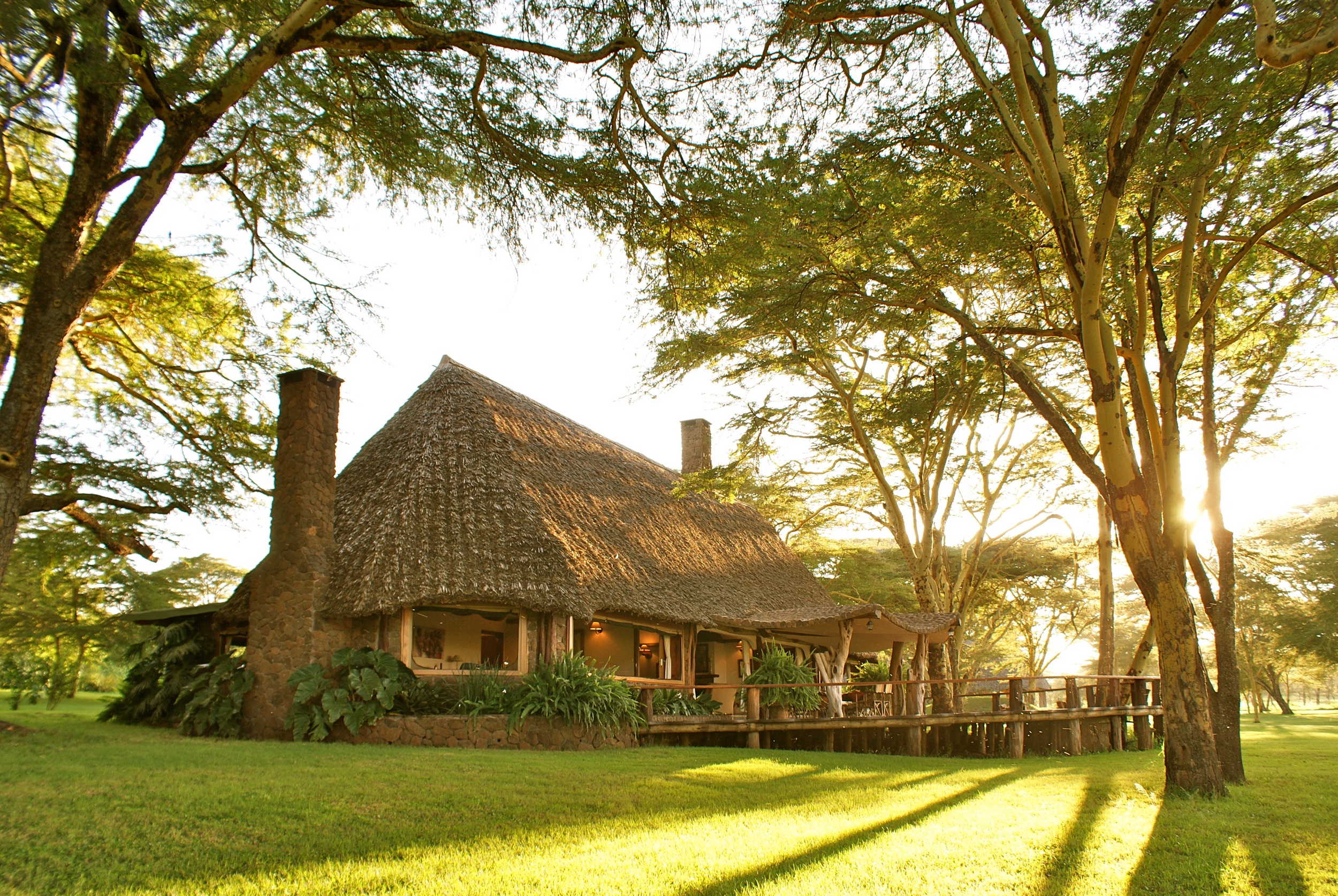
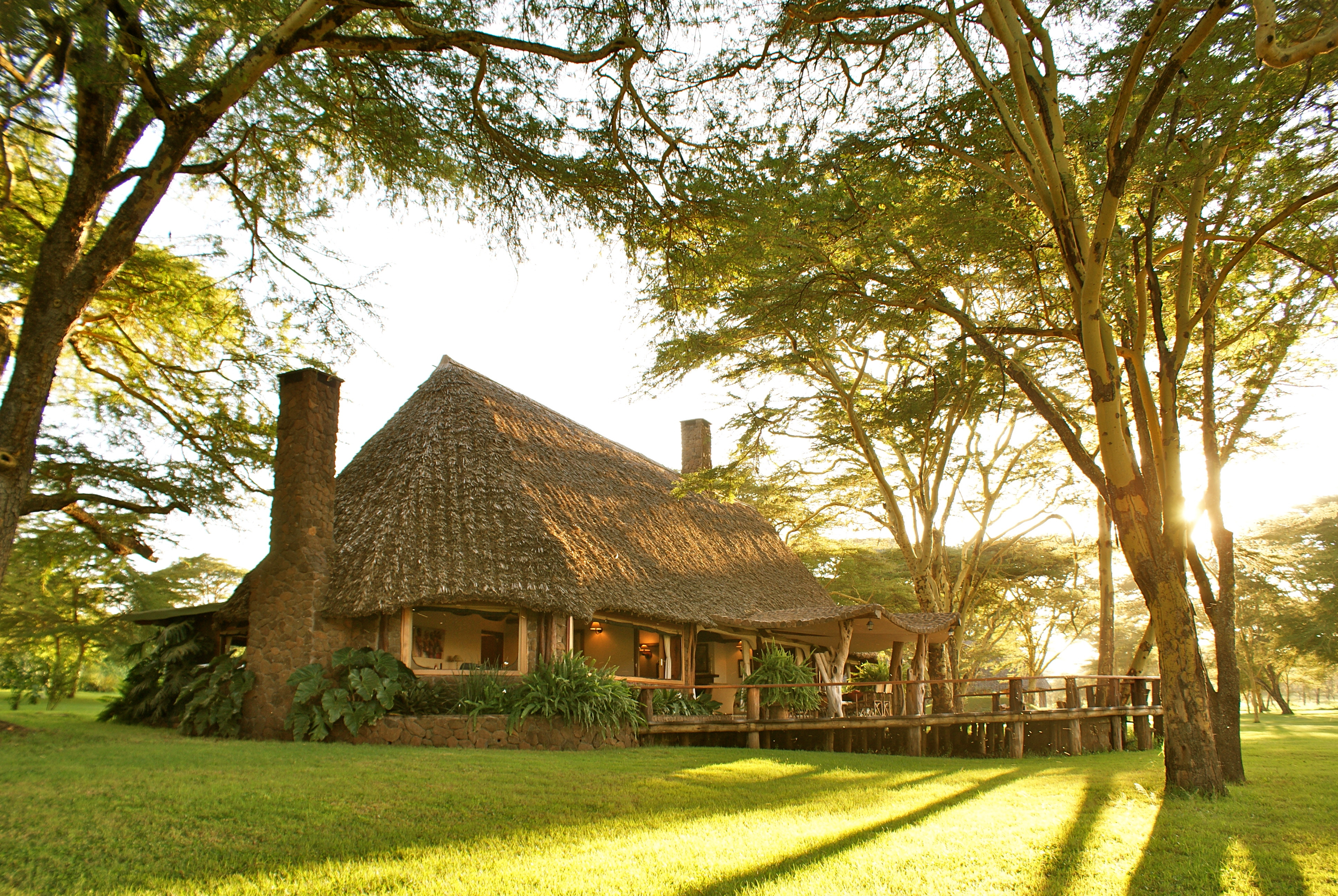
Willie’s self-taught architectural and construction skills shine through. The lodges are unique, homely and unpretentious.
That is how Sirikoi began. Willie left school at fourteen and taught himself architecture, then trained a local workforce whose woodworking and construction skills still define the lodge today.
The land he fought for says as much about him as the building does. It was a swampy valley most people would have passed over, but he knew better: there are no mosquitoes, spring water arrives by gravity from the mountain, and the land is surrounded by wetlands which makes for magnificent game viewing straight from your cottage door.
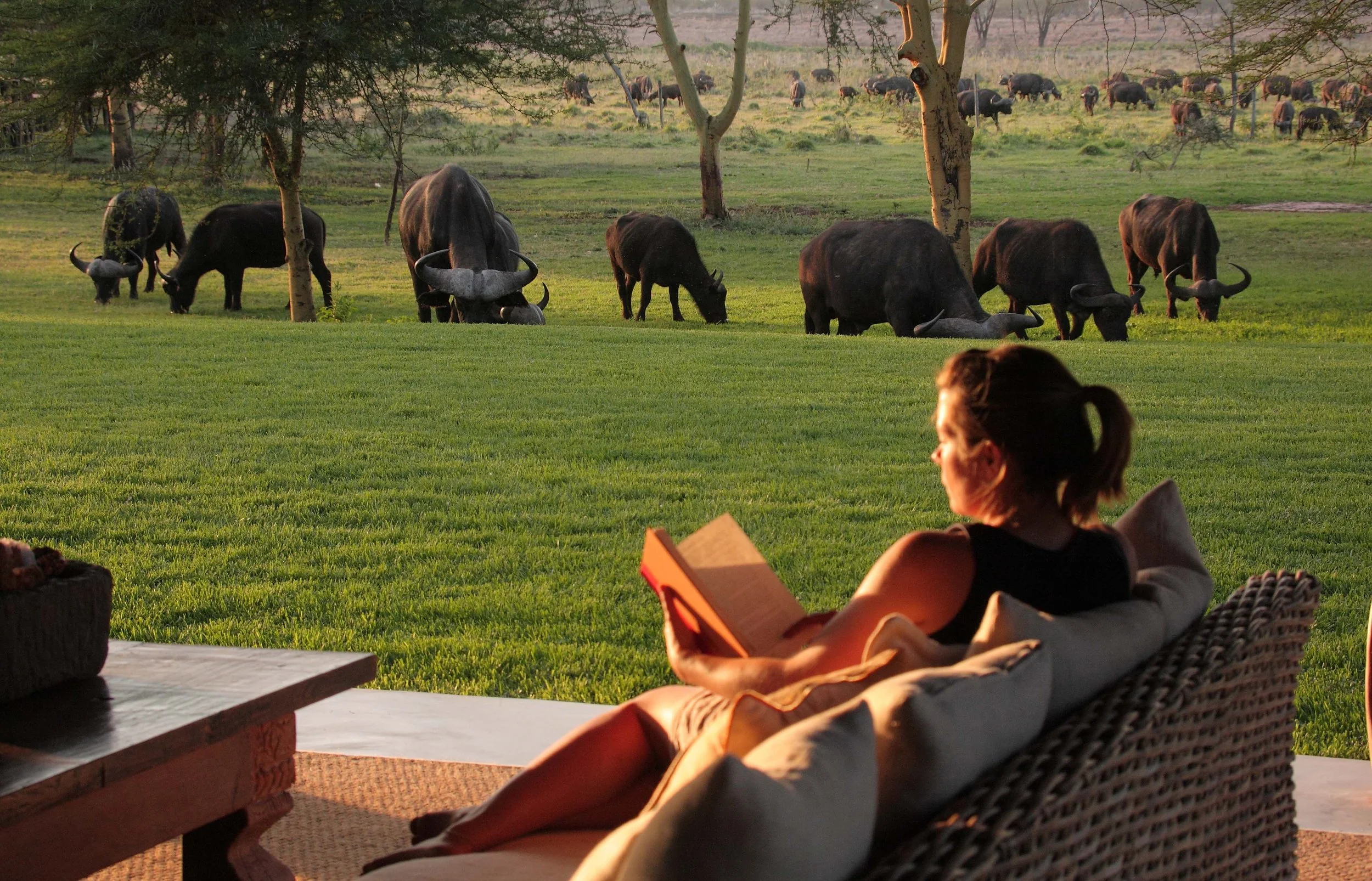
Animals use Sirikoi’s natural waterhole to drink, rest and play, which makes for spectacular ‘Arm Chair’ game viewing
Willie's story fascinates us because it is the fighting spirit we recognise in our members: people who are willing to be the eyes and ears for nature, and courageous enough to protect it.
It is fitting, then, that Sirikoi hosted this year's East Africa Regional Hub Meeting. Members from 15 of our organisations across East Africa travelled to the lodge in Lewa Conservancy under the theme Protecting What Matters While Adapting to Change.
What makes this so different to a conference
These meetings go far beyond professional exchange. Three main things make our regional hub meetings stand apart:
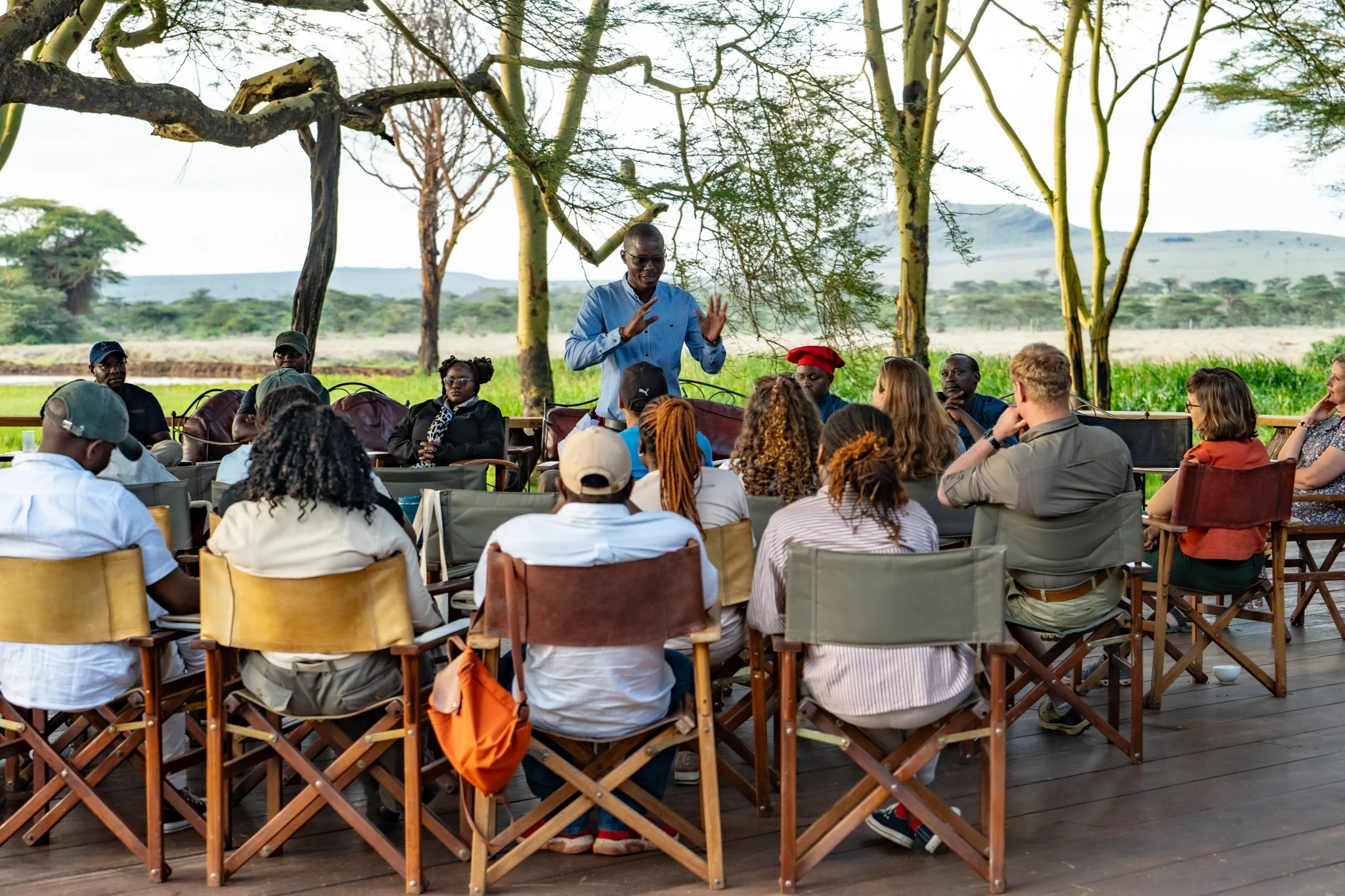
Members bring real, unresolved challenges into the room. Rather than sitting with glazed eyes through PowerPoint slides, a member will put a sticky problem on the table and the group breaks up into smaller teams to work through it. Three of those challenges (and their proposed solutions) have been captured below.
It’s designed so that every voice is heard. Smaller breakaway groups allow quieter voices to emerge. Reflective roundtables and conversation stations give members a chance to contribute, learn and exchange.
The back-of-house is where our members really get stuck into understanding the mechanics behind the host’s sustainable operations. The tour moved through the camp's core operational areas: the kitchen, dry and fresh food stores, storage, and laundry, before visiting the Impact Centre, an engaging space where guests learn about the history of Sirikoi and its work across Conservation, Community, and Culture.
“These meetings remind me that we my not have all the answers but someone, somewhere, has faced similar challenges and has insights to share.”
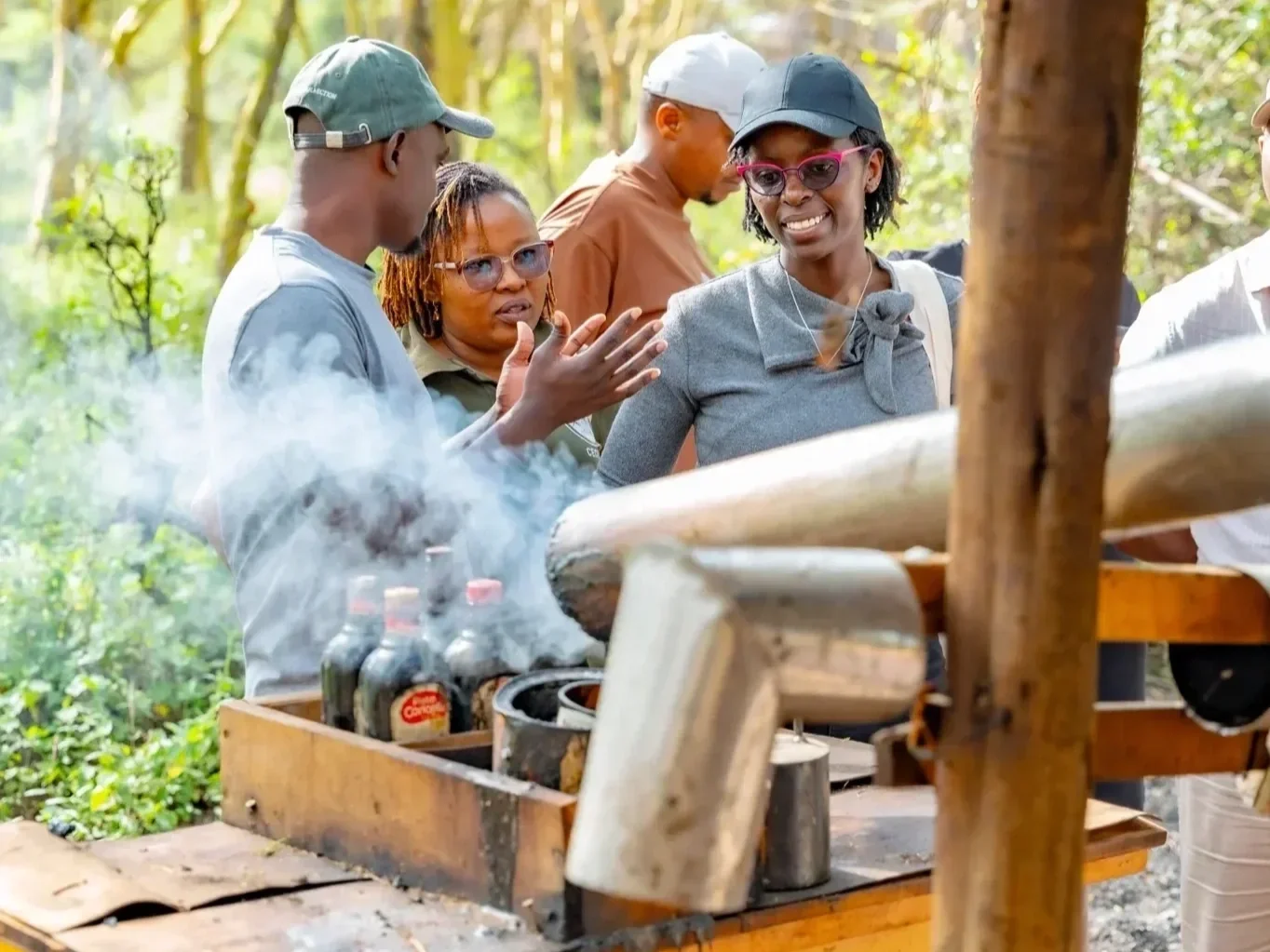
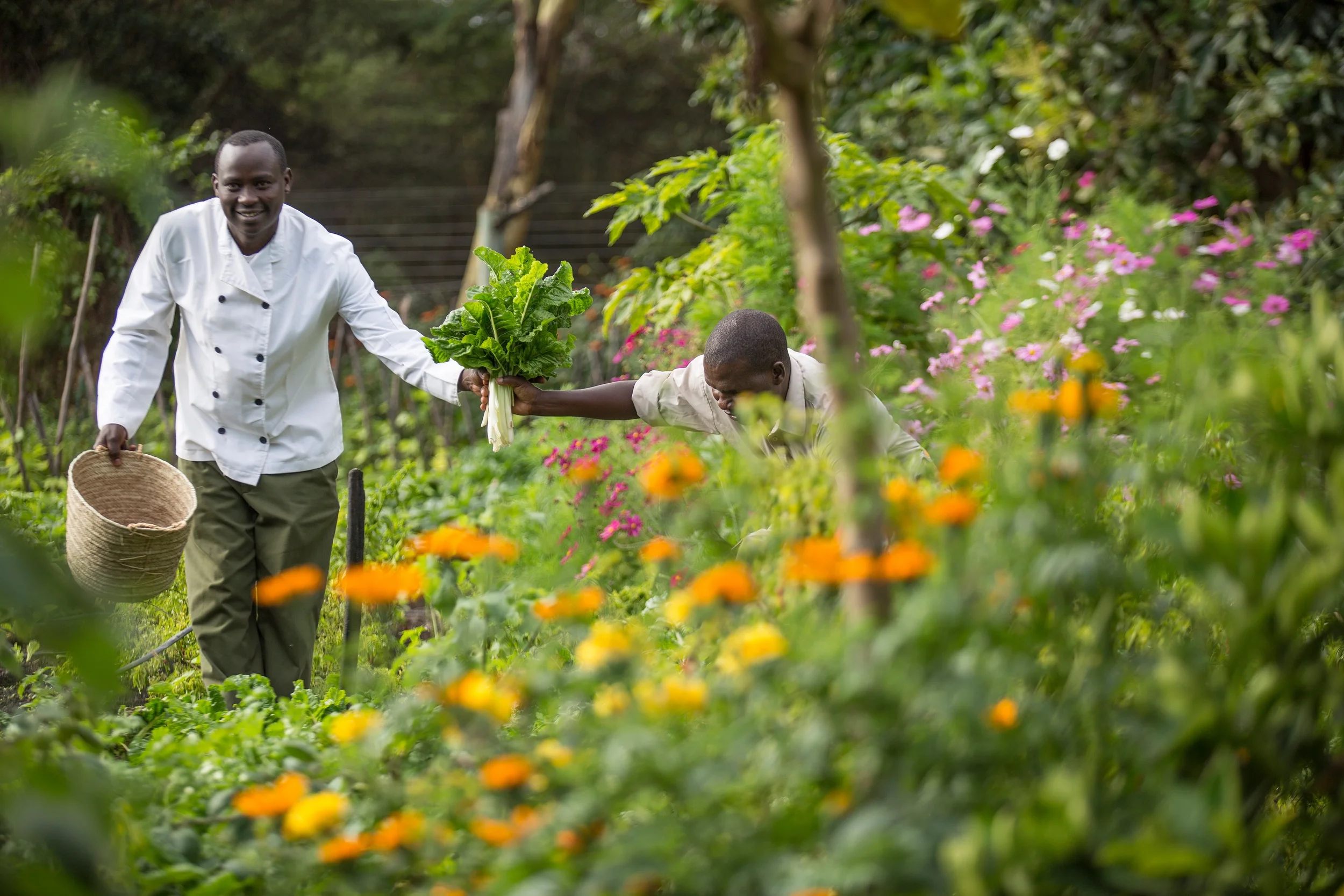
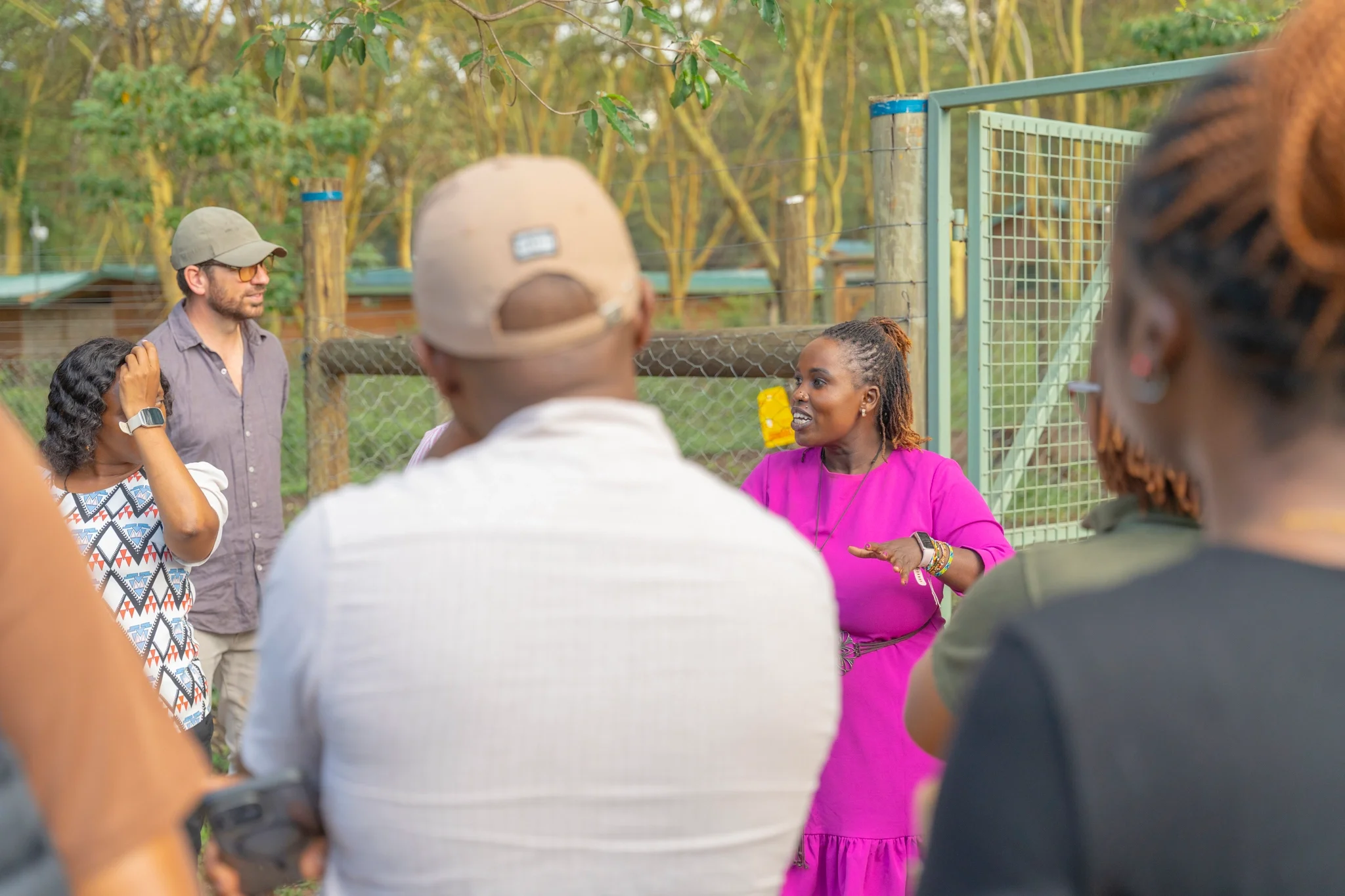
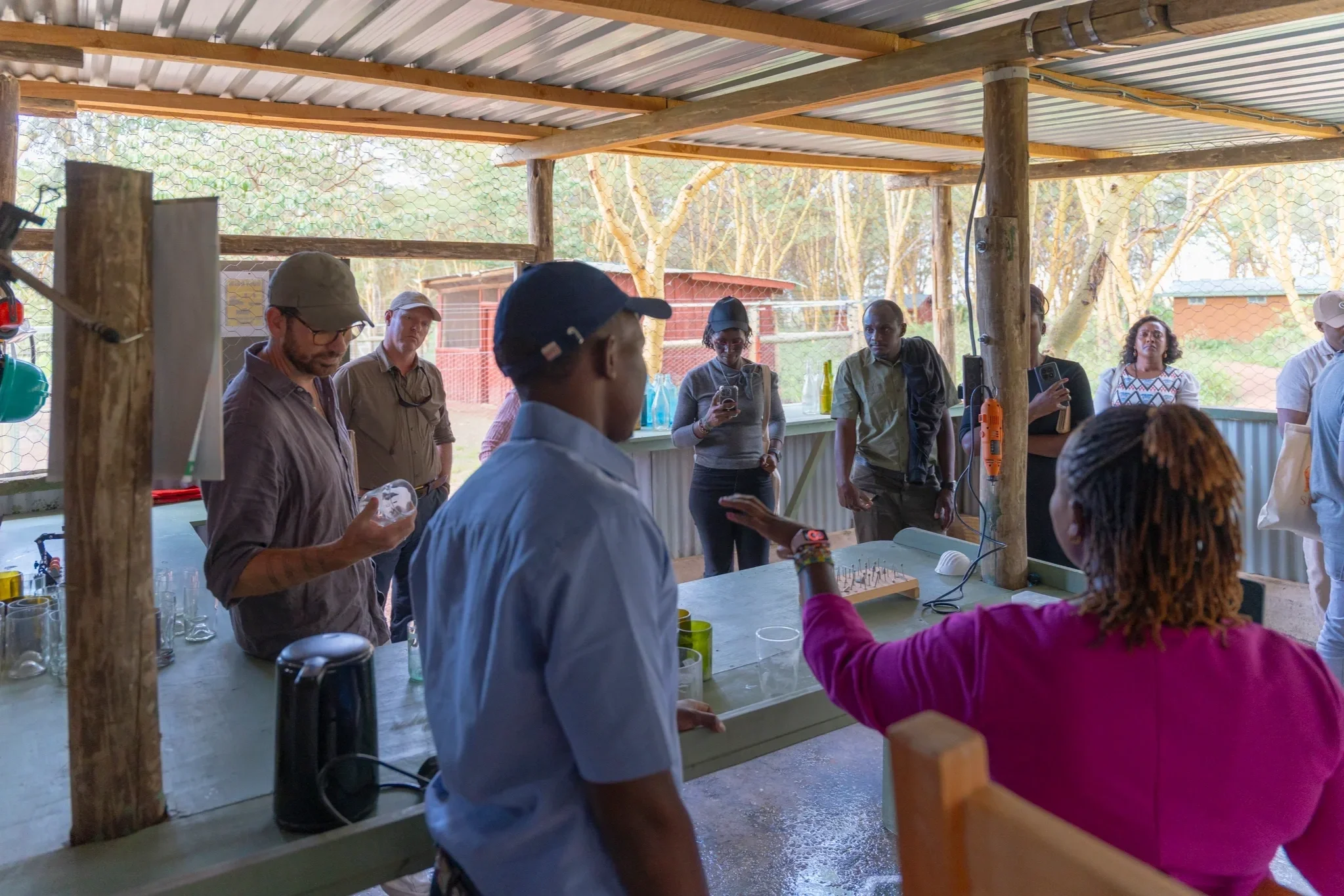
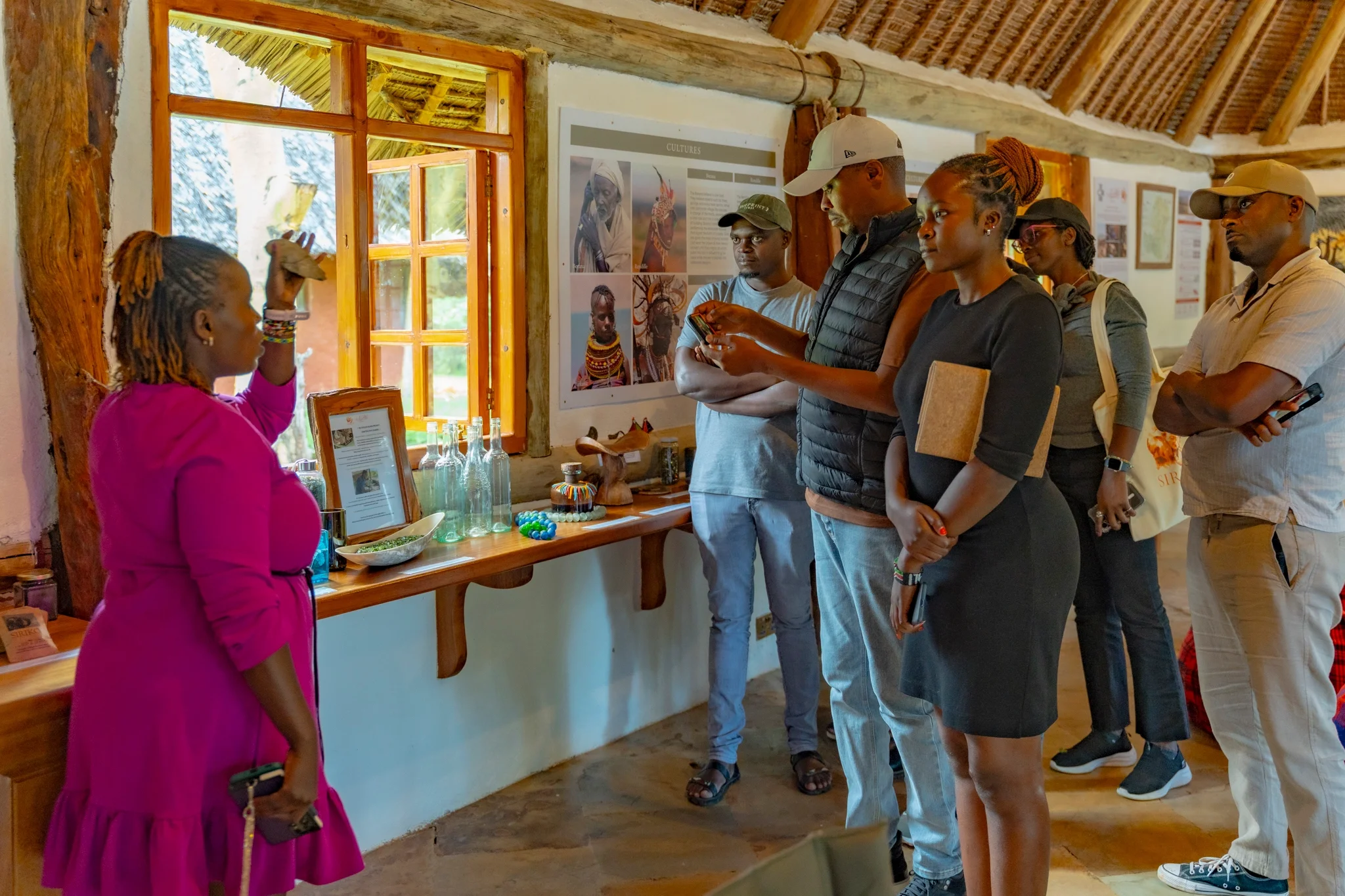
Interesting takeaway from the back-of-house tour: The staff quarters, usually hidden away, became the highlight of the tour. Sirikoi is a small, family-run property that invests deeply in its own people (what our 4C framework calls their ‘internal community’). The staff quarters felt warm and homely, and were good enough that members stayed for tea. They also commented on how the Head of Maintenance office and staff canteen was the best they’ve ever seen. It’s a small thing that people take for granted but many members left thinking, ‘Oh wow, this is impressive. We need to prioritise this.’
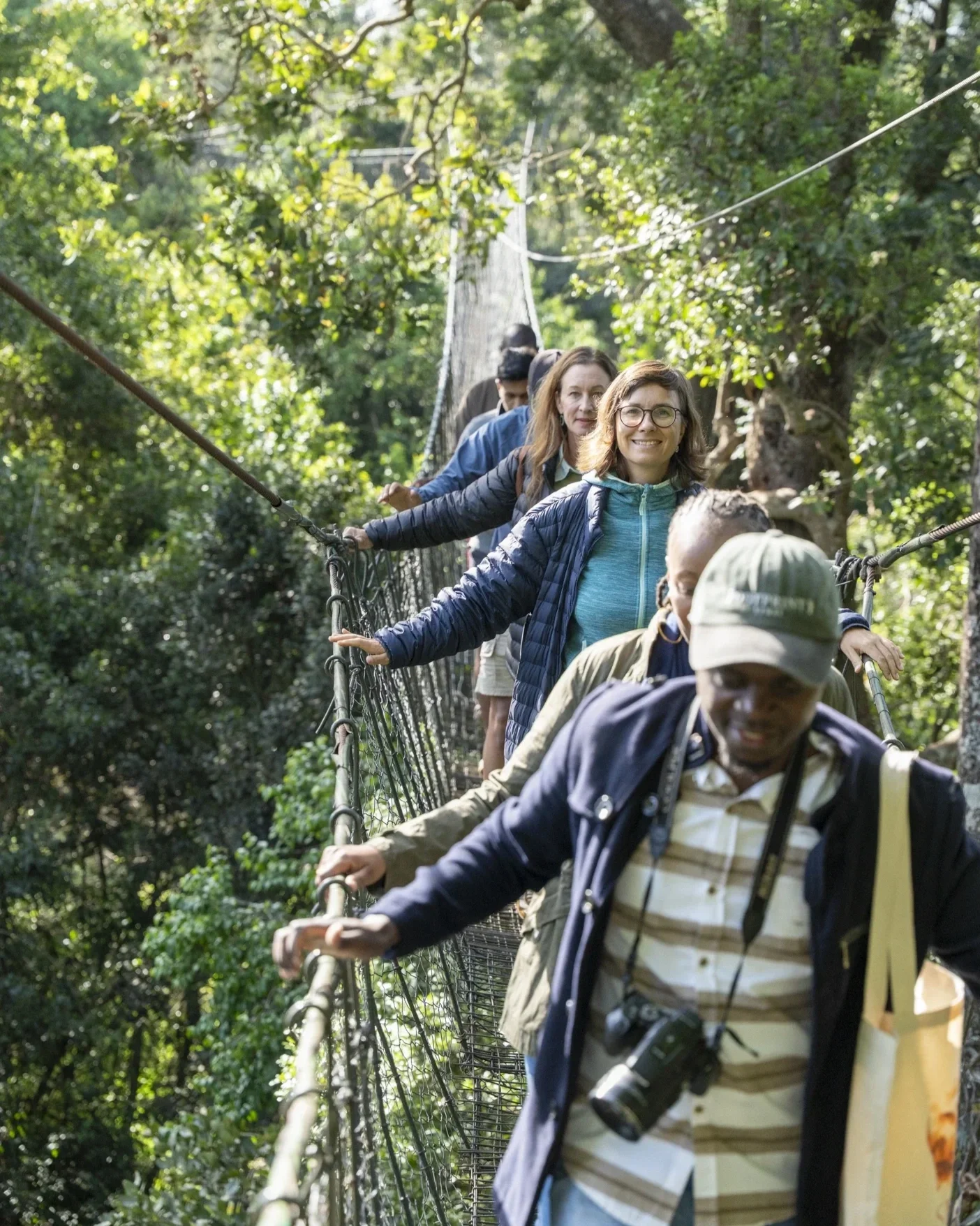
If you have a fear of heights, this is a brave way to start the day!
Peter, the Manager of the Ngare Ndare Forest, shared the unique way that it’s governed:
A nine-member community board makes the decisions (six village representatives, three co-opted women and seats for large neighbours like Lewa and Borana)
Where national law falls short, the Ngare Ndare Forest Trust writes and enforces its own rules e.g. they cap fuelwood collection at three days per week per person
Each village chooses its annual project based on its own most pressing need e.g. the “1-for-1” tree programme has supported more than two million trees planted on local farms and schools since 2004
This drilled in the lesson that those closest to the land should be the ones deciding.
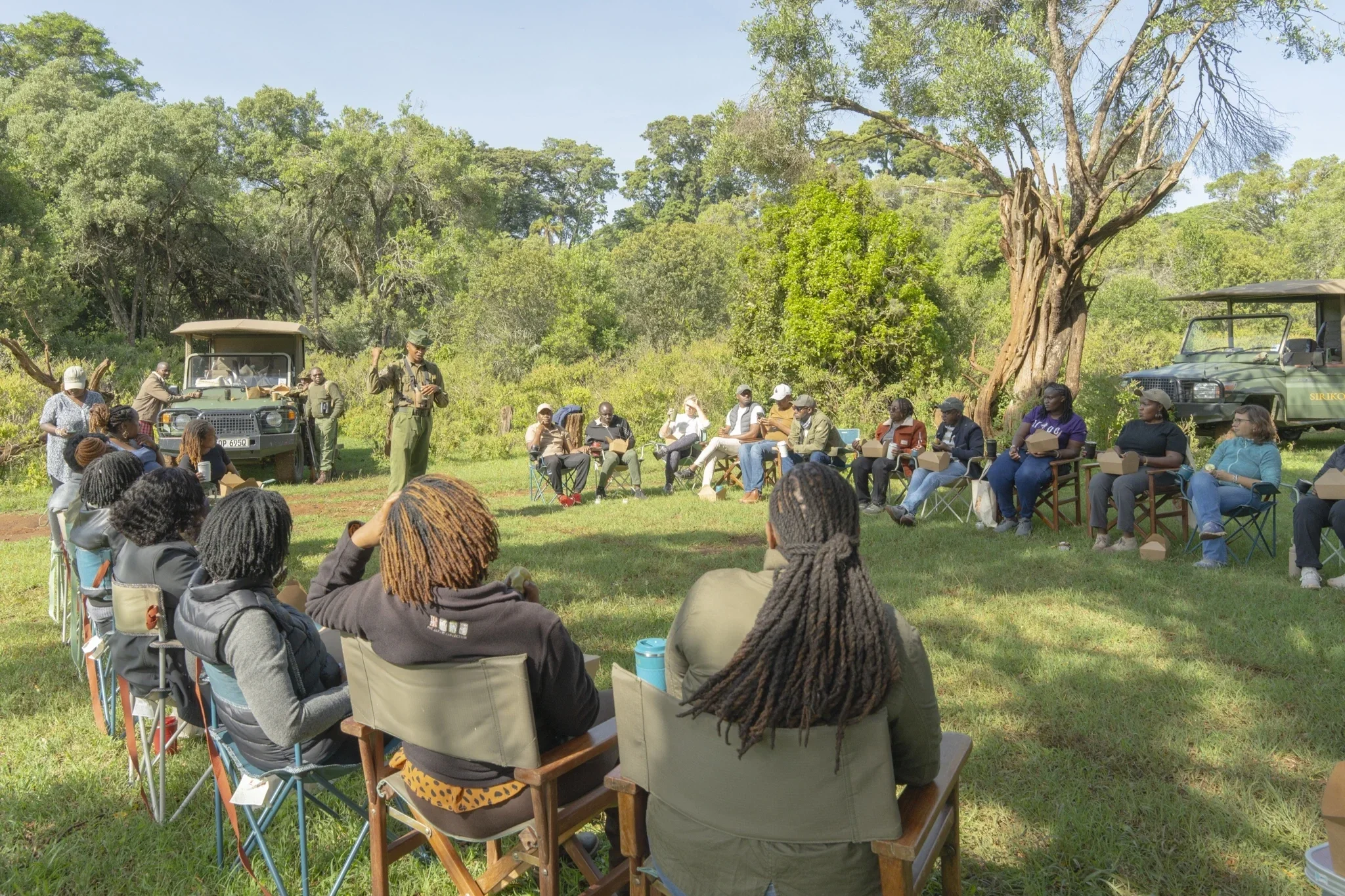
The Ngare Ndare Forest management team taking our community through their governing system.
Three honest challenges, with crowd-sourced solutions
Where you don’t have all the answers, collective minds in The Long Run community will.
Three members shared a current major challenge, then the group broke away to work it through in smaller groups and came back with solutions. This isn’t an immediate repair job but each person leaves with a clearer path forward.
Challenge: Recurring floods
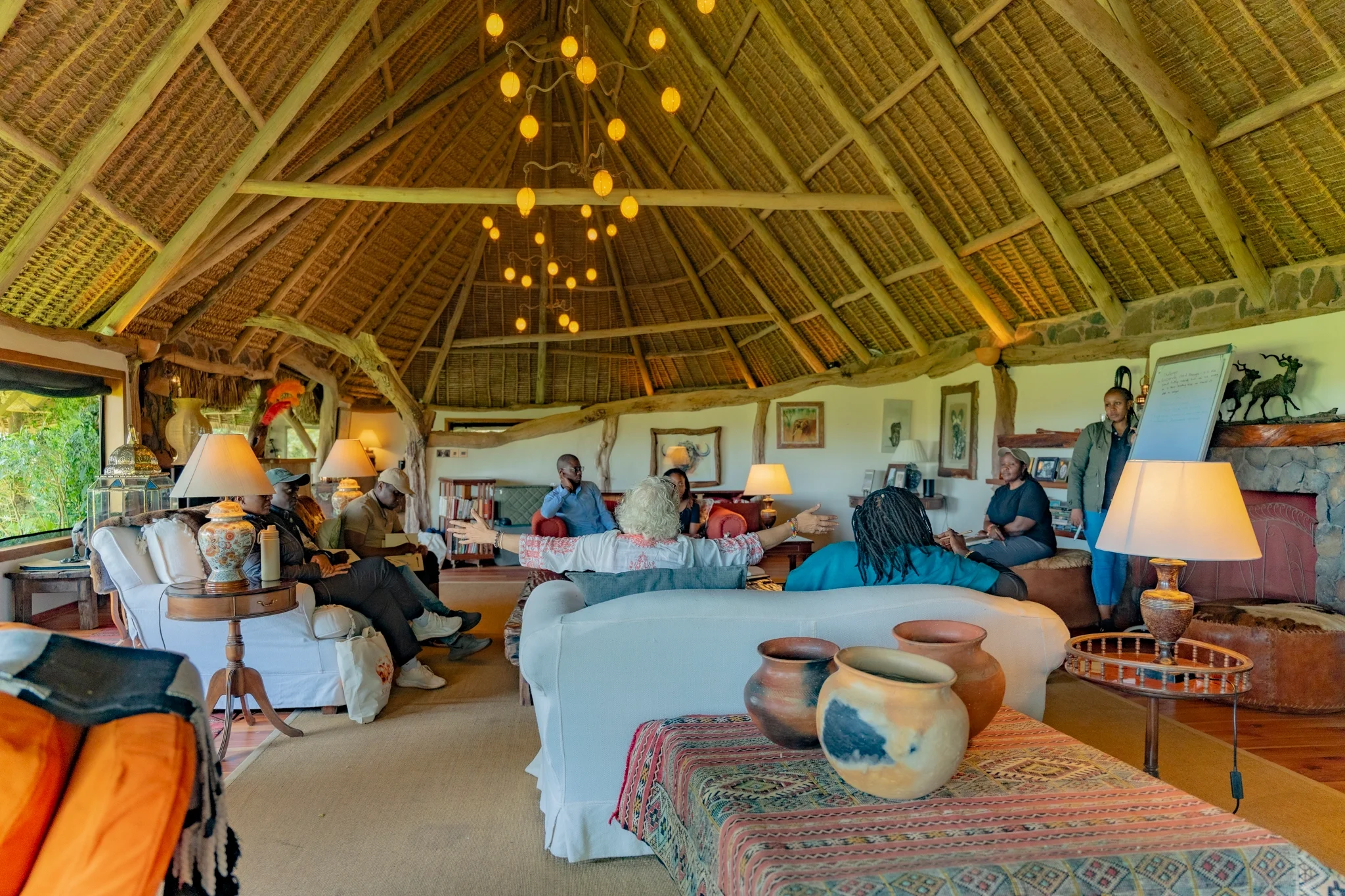
A challenge brought to the table by Miriam Obegi, Chief Operations Officer at Saruni Basecamp.
Solution: Advocacy, and pressure on the people who can solve it
Saruni Basecamp put every mitigation measure in place, and still the water came, because the flooding is not simply nature taking its course. It is caused by human interference upstream, and people are the root of the problem. The most viable solution is advocacy: rallying enough voices across the region, potentially through a Water Users Association (led by The Long Run members), to put real pressure on the government and institutions with the power to change what is happening upstream. The flooding will only ease when enough people push together for those decisions to be made.
Challenge: A conservancy under pressure
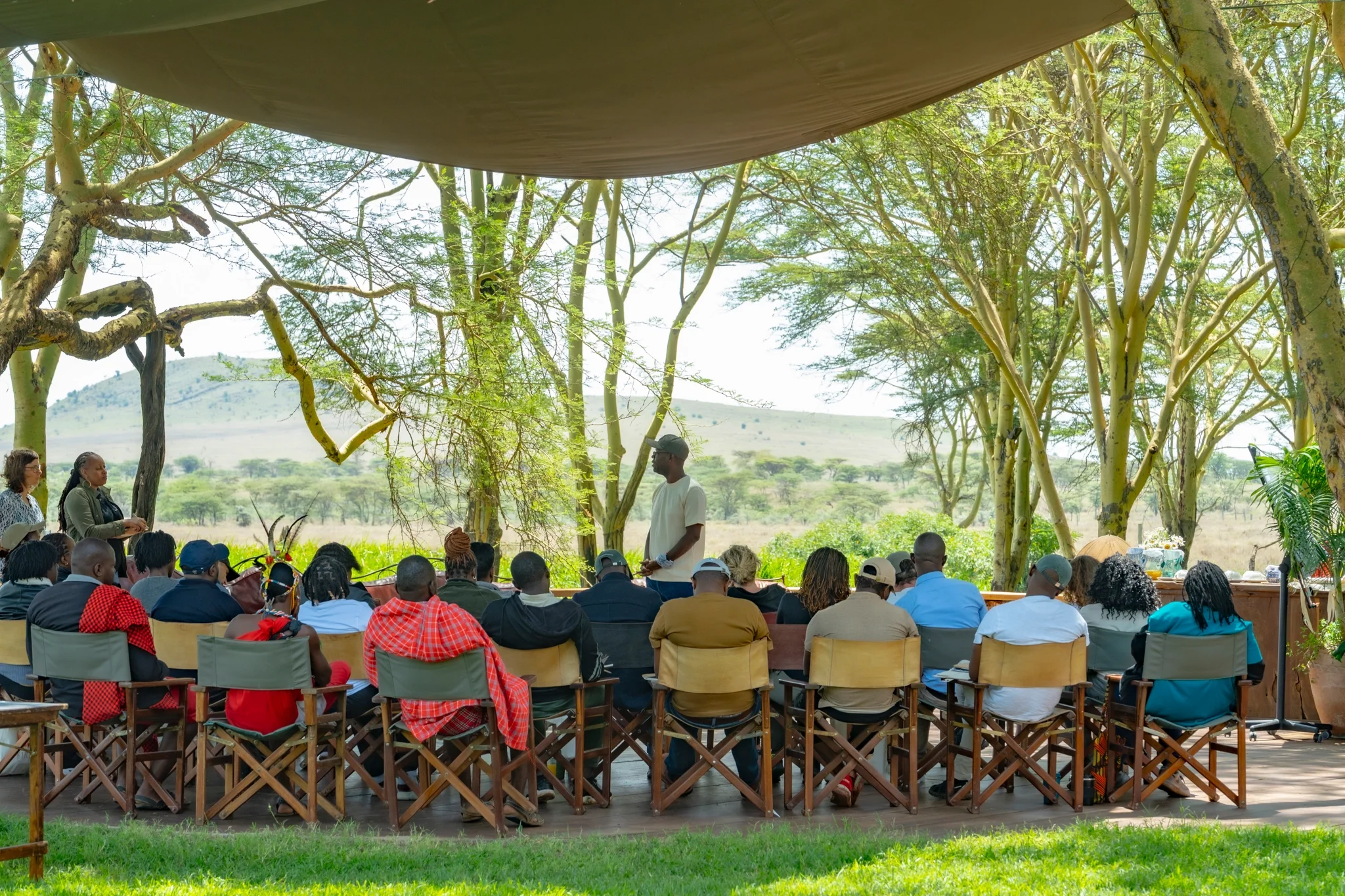
A challenge brought to the table by Andrew Obaga, Camp Manager at Kicheche Mara North
Solution: Understand the land's carrying capacity
In the Mara North Conservancy, three live side by side in one ecosystem: people, livestock, and wildlife. As both the human and wildlife populations grow the pressure builds. More specifically, as Maasai families become more economically secure, the first thing many do is buy livestock, putting even more strain on already stretched land. The answer the group kept returning to is carrying capacity through science- and data-led grazing: researching the ecosystem to understand how much livestock and wildlife the land can genuinely support, and using that data to guide decisions before more livestock is added. Borana's ShareStock model is the working example: livestock co-owned by the private sector and pastoralist communities, grazed at ultra-high density to mimic wildlife, restoring rangeland while still earning its owners an income.
Challenge: Overtourism in the Maasai Mara
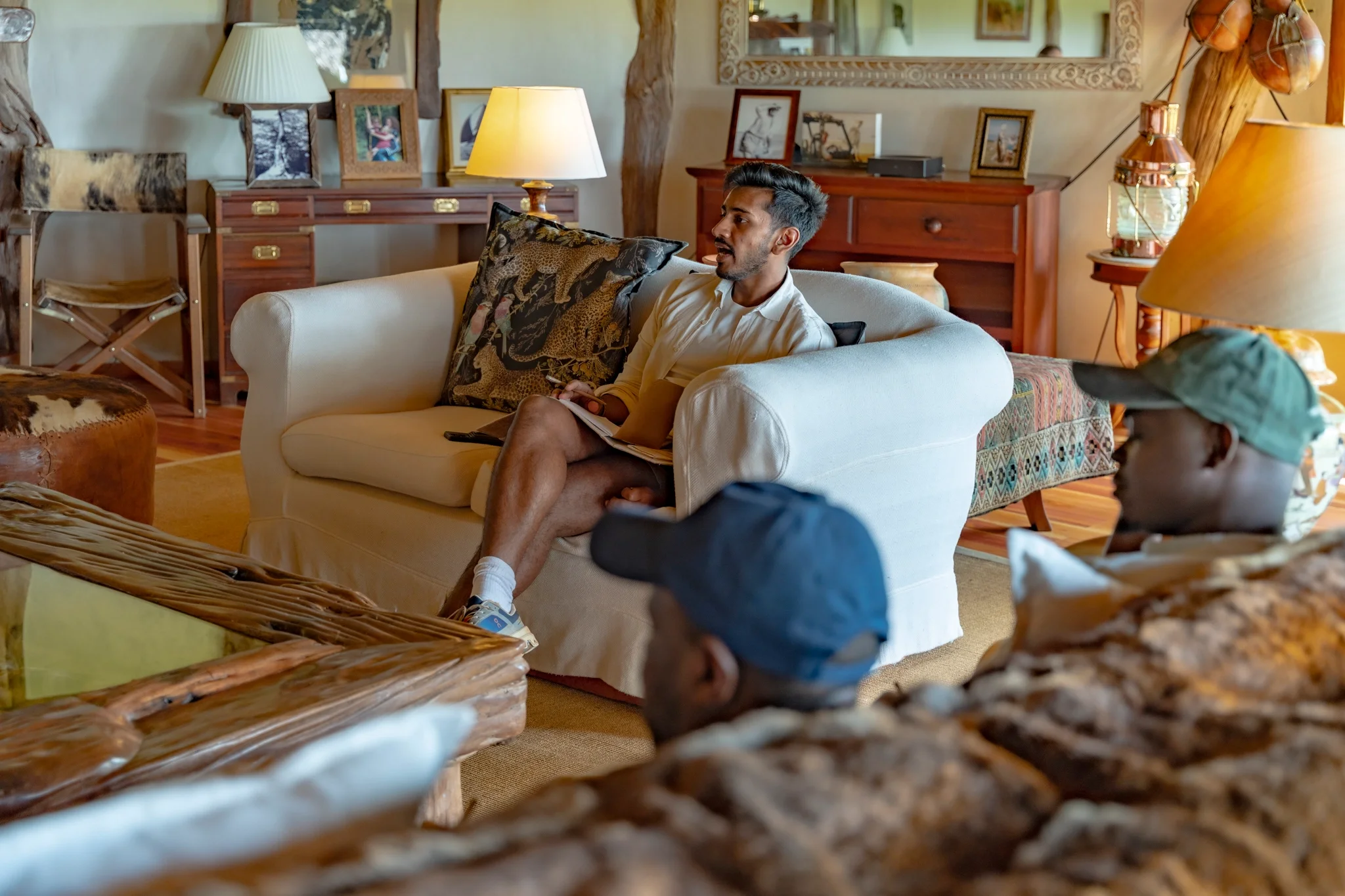
A challenge brought to the table by Shilen Shah, Travel Planner, Mark Boyd Safaris
Solution: Educate guests beyond the migration
Most visitors only know the mainstream story. Say "Maasai Mara" and they picture the Great Migration, so demand piles onto one place at one time, and overtourism follows. It falls to travel businesses to widen the picture, because they are the ones who shape what a guest expects. They can open travellers' eyes to the equally special experiences elsewhere in the network, at Sasaab or Cottar's 1920s Camp, that most people never think to ask for and that put little to no pressure on the Mara.
What members actually take home
For all the practical lessons, the thing members talk about afterwards is each other. They find their people within minutes (we had a gentleman’s club form; three men who did every activity together). One member who hadn’t made it to a meeting in years walked in and lit up in the pure excitement of being back. We even had one member comment on their renewed excitement about their job.
The days are full and intense but members continue to write back about how inspired, motivated and optimistic they feel about the future. The meeting closed with a surprise from a group of Maasai dancers from the neighbouring community and a long round of thanks to Sue, Maria, Susan, and the whole Sirikoi team, who showed us not just what they have built, but how.
“The conversations, shared experiences and collective ambition in the room reinforced my belief that tourism can be a force for protecting nature, uplifting communities and shaping a more sustainable future for generations to come.”
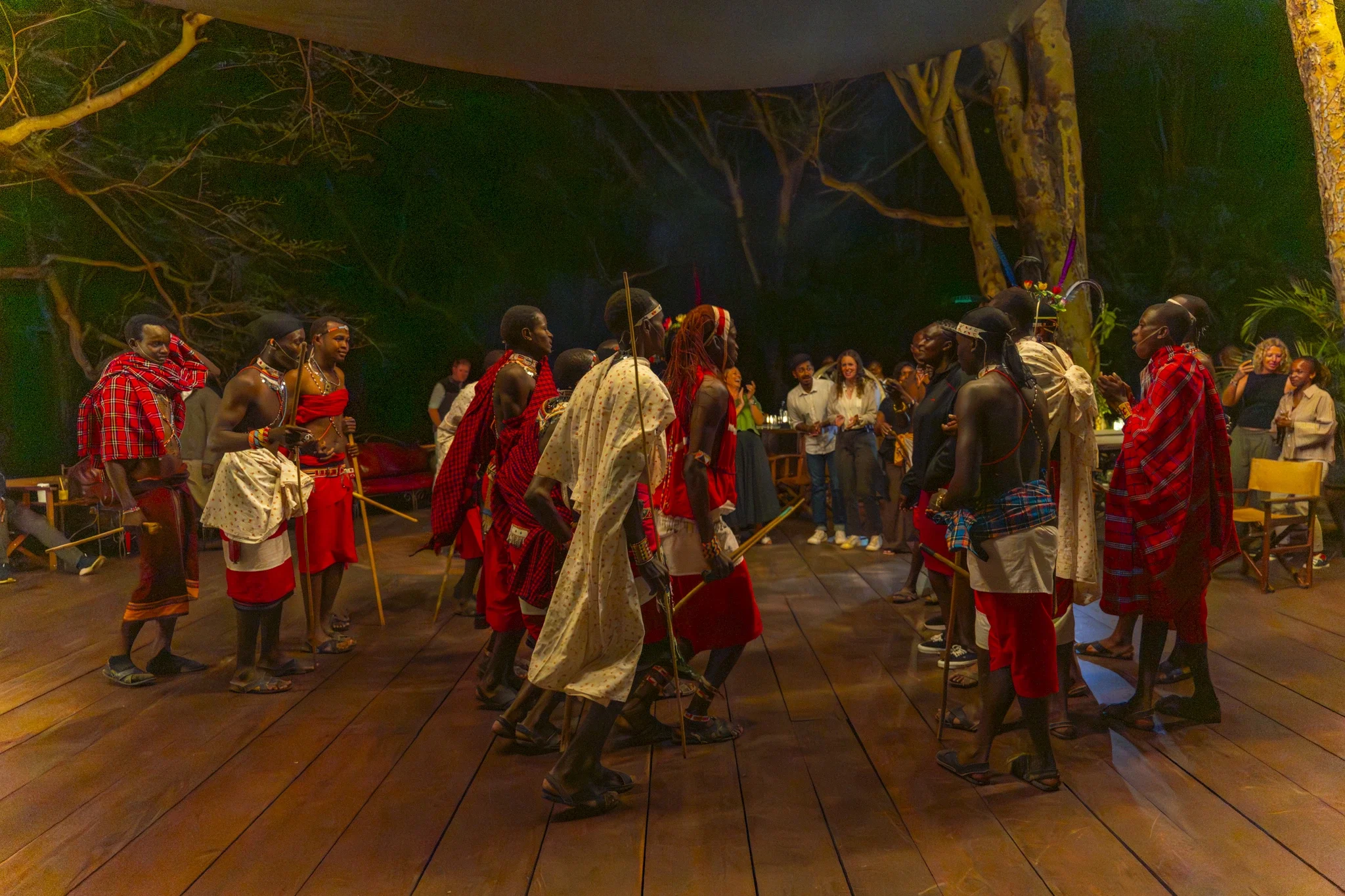
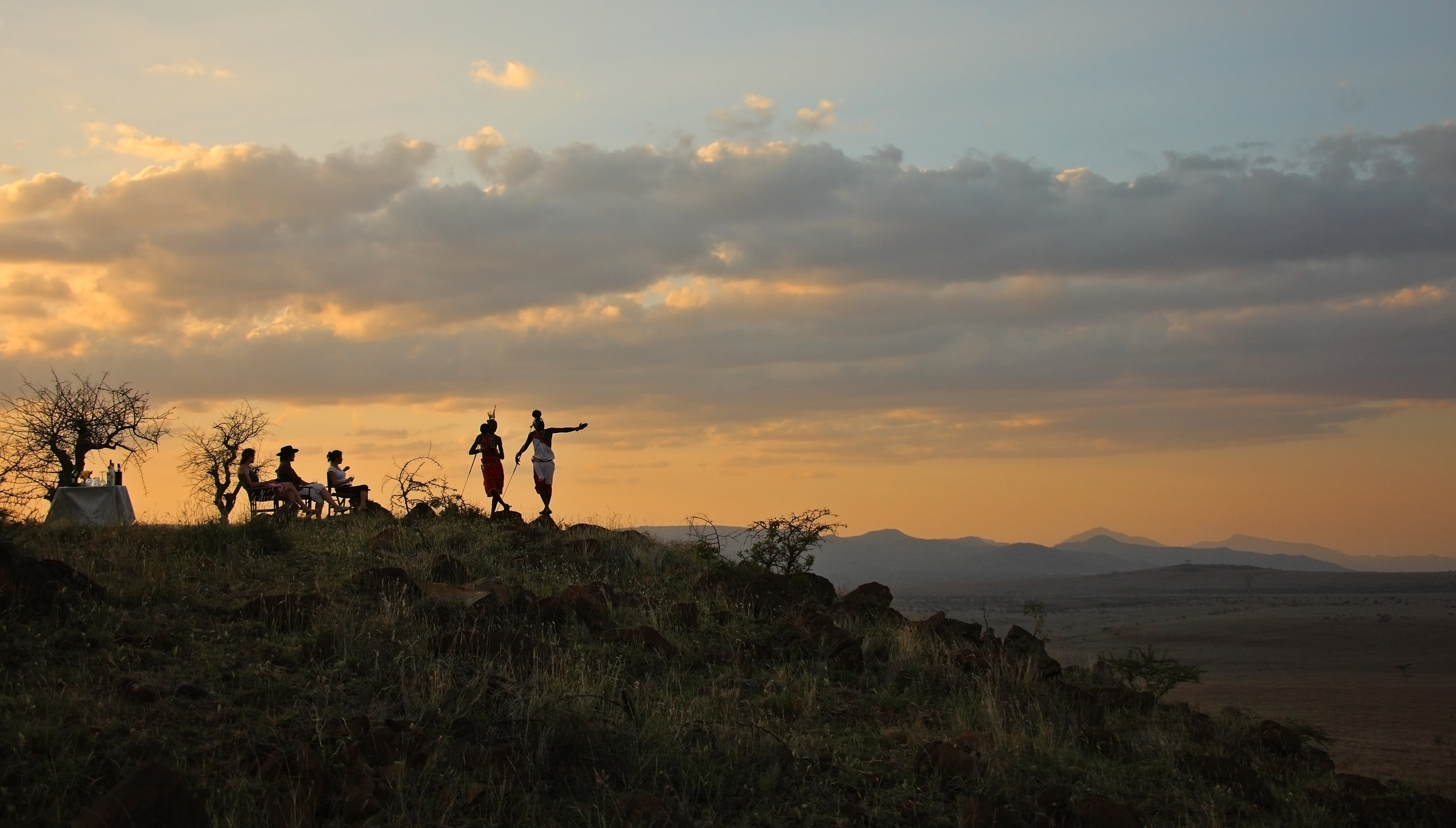
The meeting ended with a relaxed evening, surprise Maasai dancers and meaningful chats amongst the group.