
What advice would you give a property/travel business just starting their sustainability journey?
This month, Jay Parmar, Founder of Wander Africa asked our community of the world’s best minds in sustainable tourism:
When you were just starting your sustainability journey (overwhelmed by where to begin, unsure what to prioritise) what small changes did you make first that actually moved the needle? What would you tell someone in those shoes today?
Here are four refreshingly practical responses:
“These simple changes saved us money and reduced our carbon footprint. Our gross profit doubled as a result."
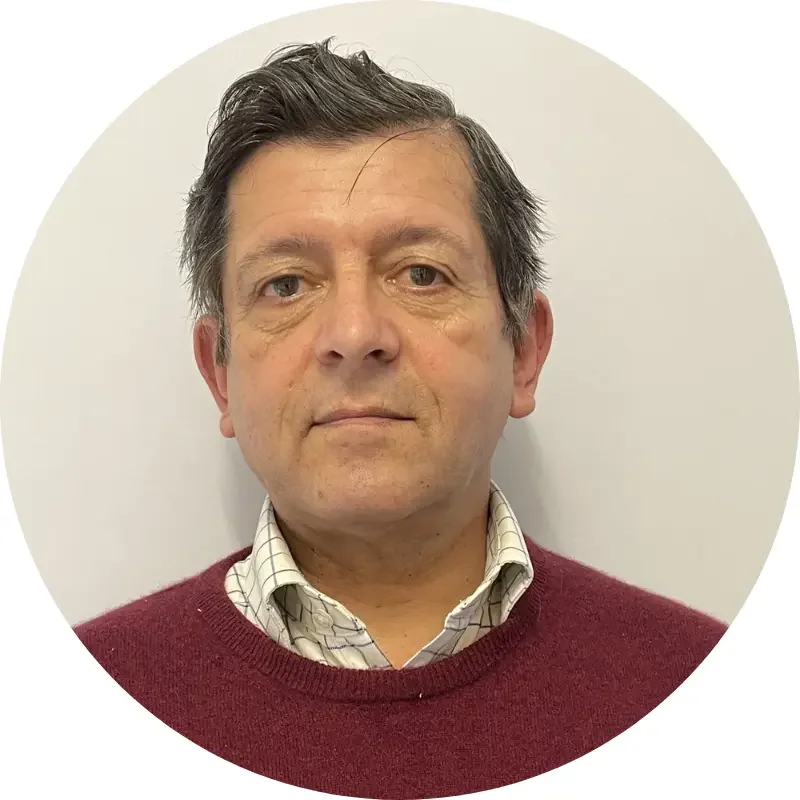
Marcus Cotton
ManagING DIRECTOR
TIGER MOUNTAIN POKHARA LODGE, member since 2022
On doubling gross profit with small changes.
The first small changes we made to really move the needle:
Remove almost all imported items and tinned supplies (shift to locally sourced produce)
Replace tinned baked beans with homemade baked beans from local suppliers
This and removing a raft of unnecessary imported cleaning brands (going back to baking soda, washing soda, vinegar and local vegetable oil) saved us money and reduced our carbon footprint. Our gross profit doubled as a result.
Sustainable pathways are profitable pathways.
P.S. We did stick with imported red and white wine and scotch!🍷
“Certifications can help steer you in the right direction but they should not derail you or steer your strategy.”
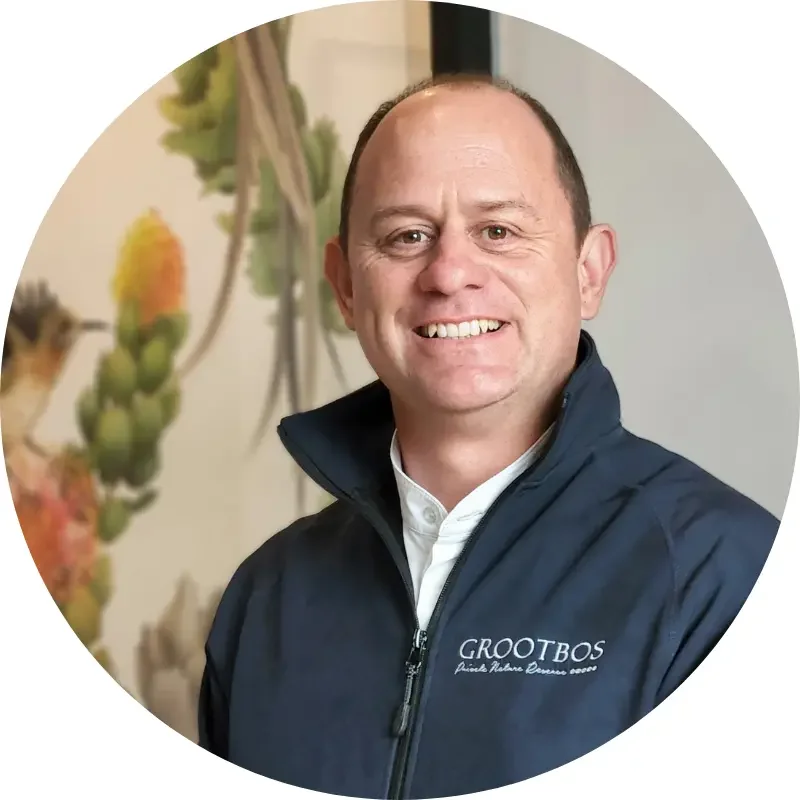
Sean Ingles
general Manager
grootbos, Certified Global Ecosphere Retreat® since 2014, re-certified in 2024
On hiring a person for the job asap.
Have a person for the job!
Our first step was to create a role for someone to take charge of our sustainability journey.
This individual was initially involved in making sure we had the basics covered, like energy saving light bulbs and measuring our water. Once these basics were in place, we could bring in a wider team from within the organisation and continue the journey from then onwards.
The point is to just START and magic then happens!
"As soon as we decided not to think about the word 'sustainability', things happened."
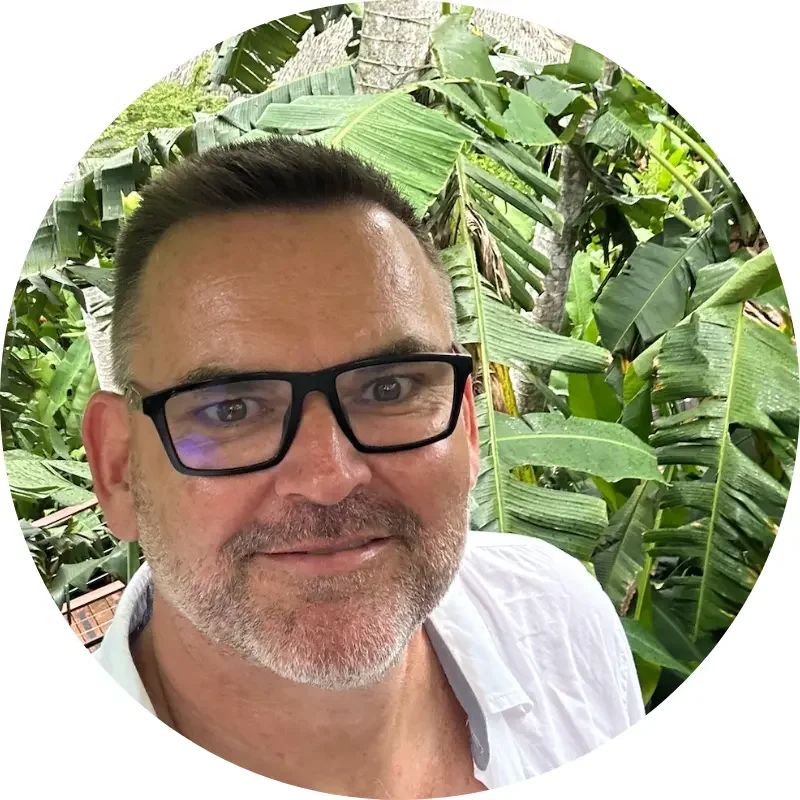
Lars Mathiasen
As soon as we decided not to think about the word ‘sustainability’, things happened.
Forget the classic communication. A lot of it is common sense.
At first, customers don’t look for sustainability. But when they experience the difference it does to their own holiday, and the people and community they visit, they want ‘more’.
Fundamentally, the sad old phrase ‘value for money’, which was only seen from a one-sided consumer lens focused on price, turns into ‘value(s) for money’ for all stakeholders. That’s when change really happens.
“Engage all colleagues and spread the word early. In every monthly meeting, share about the 4Cs and invite different colleagues to present each C with tangible examples.”
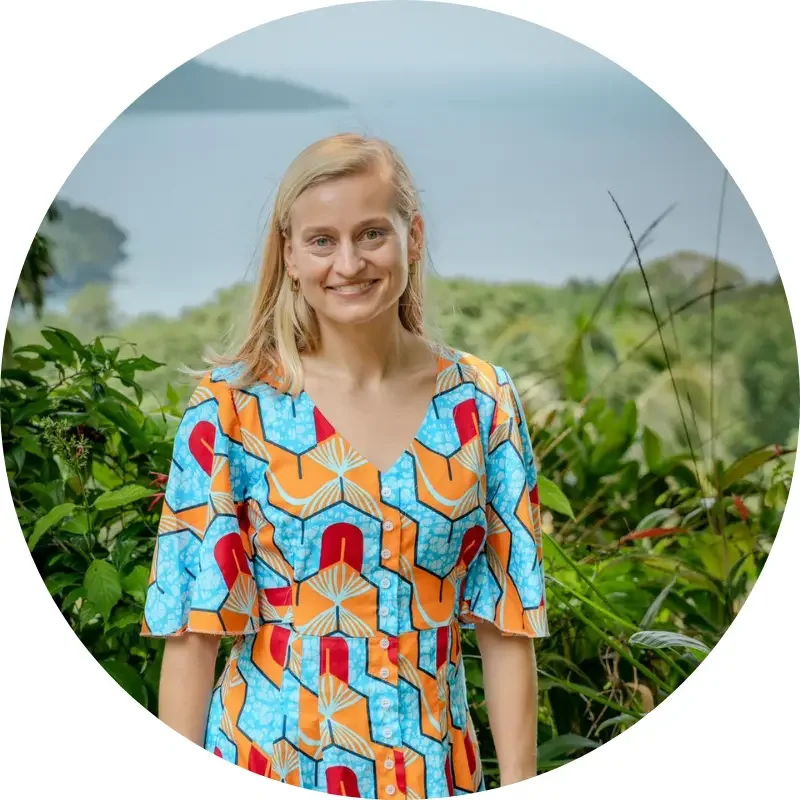
Emma Tuzinkiewicz
On engaging everyone, early
Engage all colleagues and spread the word early. In every monthly meeting, for example, share about the 4Cs and invite different colleagues to present each C with tangible examples. Include members of all sub-teams in the on-site sustainability visits (preferably, at least twice per month!) so that teammates can touch, see, feel, and learn what sustainability means in the day-to-day across the operations.
Beyond this operational level, incorporate sustainability into the articulation of strategic decisions. To do this well, senior leaders need to deeply understand what sustainability means operationally and strategically. During recruitment for senior leadership positions, especially, ensure that there is a genuine understanding of the importance of sustainability and a deep commitment to making decisions with sustainability at the heart.
Finally, print (double-sided, of course😉) the full Global Ecosphere Retreat® Standard! Read it in full early on in your journey. Instead of feeling overwhelmed, look at it as a guidance and inspiration document. Highlight it, take notes, circle ideas you love, develop priority lists from it, and ogle at those blue sky-one-day-we-will ideas.
The document, and thus the Standard, of course, is motivating and educational at the same time and should be part of every sustainability journey's start. Even if becoming GER®-certified is not for you, the Standard is still worth reading and understanding for its robustness and rigour (about all that is sustainability) is unparalleled for nature-based tourism businesses.
May you go forth and engage everyone, select senior leaders with a sustainability ethos, and read and learn from the GER® standard. You've got this. And you've got us, The Long Run community, to tangibly help along the way, so don't hesitate to reach out. As we say in Príncipe, "estamos juntos!" (we're in this together!)
Bonus notes from the field
More community members weigh in:
Laura Robinson | shinta mani wild
When I first moved into sustainability-focused roles, one of the biggest lessons was realising that meaningful progress rarely starts with large, perfect strategies.It usually starts with visibility, consistency, and small operational decisions that gradually shift culture over time. In the beginning, it is easy to become overwhelmed because sustainability touches everything i.e. procurement, waste, energy, water, community engagement, staff culture, guest expectations, reporting, conservation, supply chains.
The temptation is often to try to tackle everything at once. What actually moved the needle for me early on was simplifying the process and focusing first on understanding operations properly. I spent time identifying where the biggest impacts, inefficiencies, and opportunities existed rather than immediately trying to launch ambitious new initiatives.
Another important shift was moving away from thinking of sustainability as a separate department or project. The real progress came when sustainability became part of everyday operational thinking and decision-making across teams.
I would also say not to underestimate the value of momentum. Small wins matter because they build credibility, confidence, and engagement internally. Once people start seeing tangible results, larger changes become much easier to implement.
For anyone at the beginning of that journey now, I would probably say: do not wait for perfect systems, perfect data, or perfect expertise before starting. Start by paying close attention to your operation, involve the people around you early, and focus on building long-term habits rather than quick headline initiatives. Sustainability is rarely about one transformative action, it is usually the accumulation of hundreds of consistent decisions over time.
Carolina Mosquera | Hacienda Zuleta
Our work at the hotel to reduce pollution began 18 years ago.
The most challenging part was shifting the mindset of all our employees. We had the support of the Smart Voyager certification, though it was also a complex task to meet the extensive documentation and record-keeping they required for every audit.
Regarding our commitment to the community and the environment, Hacienda Zuleta has been doing this for many years; it is a century-long legacy we carry, so continuing that path hasn’t been difficult for us.
For those just starting out, I believe it is essential to truly believe in what you do. Tourism often falls into 'greenwashing,' which I think causes a loss of credibility. You must be convinced that we cannot operate in this world by thinking only of our pockets; instead, we must strive to act with genuine value toward the planet and human beings. Consuming responsibly, managing waste, and providing a stable life with real opportunities for our collaborators…that is the ultimate goal.
Santiago Martinez | Gentian Trails
Our critical first steps were motivating ourselves through being in deeper contact with the community we wanted to help (the Casa Atuntaqui initiative,providing care and support for abandoned and terminally ill Indigenous people) and the conservation project we were passionate about (the Jatun Condor bird initiative, where we protect this majestic yet critically endangered bird in Ecuador, ensuring its role in the future of the species.)
We didn’t have any technical knowledge about conservation or community upliftment projects, nevertheless our desire to give back to the community and enviroment was stronger than anything else.
So NEVER give up despite not feeling like an expert or experiencing obstacles (which are inevitable!).
Fortunately, we found The Long Run who are giving us the proper orientation and motivation to continue and accomplish our objectives in a more efficient way.
Elena de Villiers | Grumeti Reserve, part of singita group
I would suggest putting the right framework for your department in place first.
Setting up the right infrastructure such as a workable and manageable waste plant, getting the correct knowledgeable people into positions, and measuring as much data as you can to get a starting point of averages and measurable impact.
Focus on education, learn as much as possible by asking questions, affiliating with long standing sustainability organisations such as The Long Run for guidance and structures, and make time to train employees in all aspects of mindful sustainable actions and way of thinking.
Small improvements with focus on different departments each month collaboratively create a huge change at the end of each year!
Our community consists of 200+ of the best minds in sustainable tourism. What do you want us to ask them next?
We read every single message and your input shapes this newsletter - click the button below to let me know.