
Behind-the-scenes of our 2026 Southern Africa Regional Hub Meeting
How we created this article: This article is 100% human-written. Our regional hub meetings are a rare time to connect as a community, and we want to capture that feeling. AI was used to transcribe recordings from the meeting and weave those words and facts into the story below.
Our Southern & Western Africa Hub has exploded in growth, bringing a lot of new members into one room for the first time at Grootbos, one of our Global Ecosphere Retreats®. They have mastered the art of weaving the 4Cs into the guest experience, leaving you with a childlike curiosity and gratitude for every small plant and animal around you.
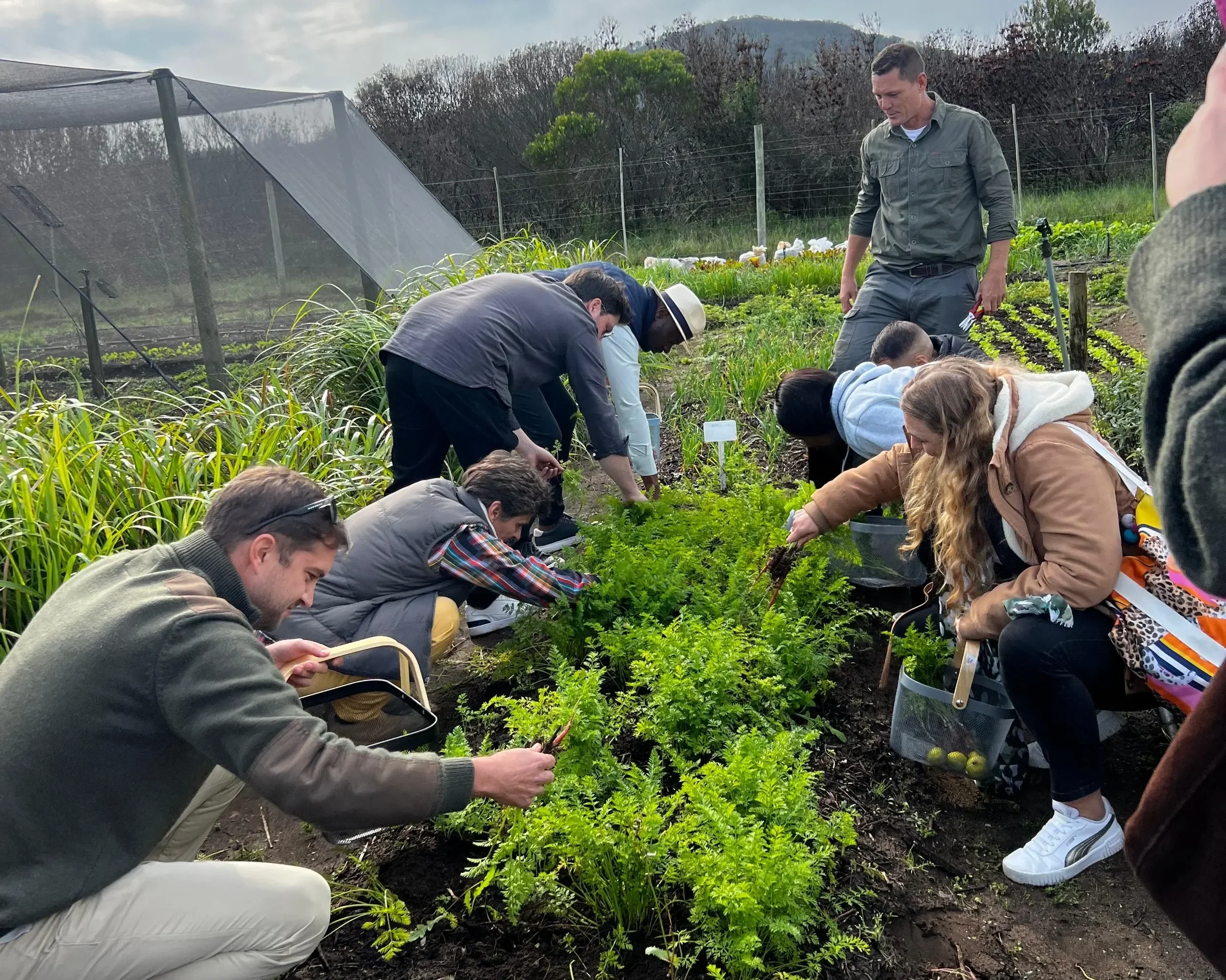
Wiggling carrots and spring onions out of the soil turns out to be a wholesome way to bond with new people.
“If there was an Olympic Games for biodiversity, we would definitely win gold.”
How Grootbos protects the world’s smallest but most biodiverse floral kingdom
"If there was an Olympic Games for biodiversity, we would definitely win gold." - Sean Privett, Conservation Director at the Grootbos Foundation.
That's how special this part of the world is. The Cape Floral Kingdom holds more plant species than Europe, with two-thirds found nowhere else on the planet. The Grootbos team guided us through the area like proud parents, with a fanatical passion for plants and unusual little animals, and a fierce protectiveness over their future.
In 1997, botanist Sean Privett steered conservation efforts at Grootbos and has since scaled the area into a 23,000-hectare conservancy with other landowners. He says, "It's so comforting to look onto these mountains next to you and know they're secure. There won't be any power lines or solar farms or wind turbines built up because this area is protected."
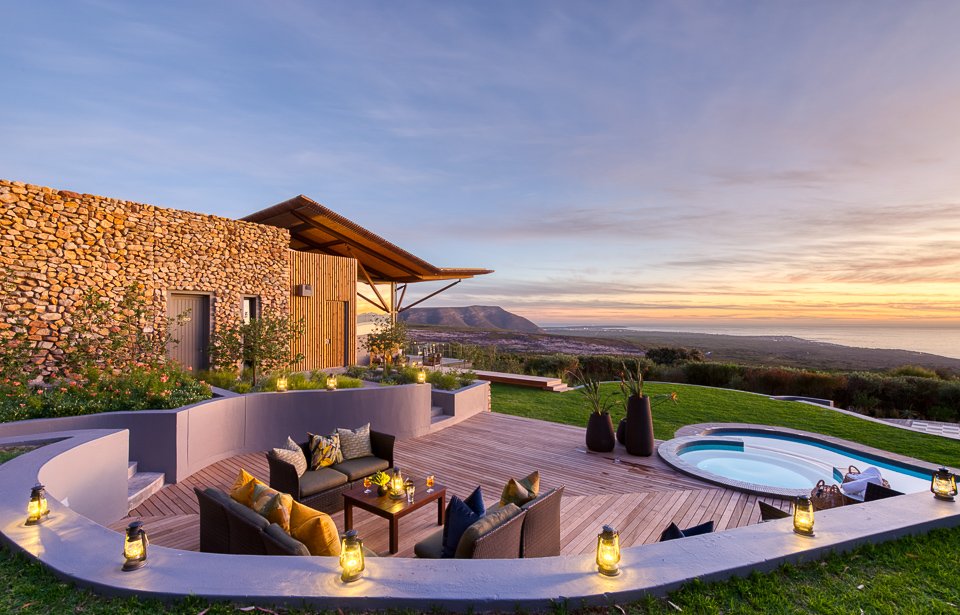
"It's so comforting to look onto these mountains next to you and know they're secure. There won't be any power lines or solar farms or wind turbines built up because this area is protected."
The Grootbos team have expanded the amount of land under protection by intensifying their research efforts. Their strategy is to get young, enthusiastic scientists to go out and visit neighbouring landowners to show them what their land has to offer.
To make sure even more neighbouring land is protected, they conduct something called a Bioblitz. Researchers go in and identify as many flora and fauna as possible in a short period of time. Then they give themselves one month to scrutinise their findings and write a report. They'll go back to the landowners with their report and say, ‘Did you know that there's this orchid that's found nowhere else in the world but here on your little koppie (small hill) behind your farm? And did you know that those frogs down in your valley are Western leopard toads, and they only live here and in Tokai (where they often get squashed by cars)?’
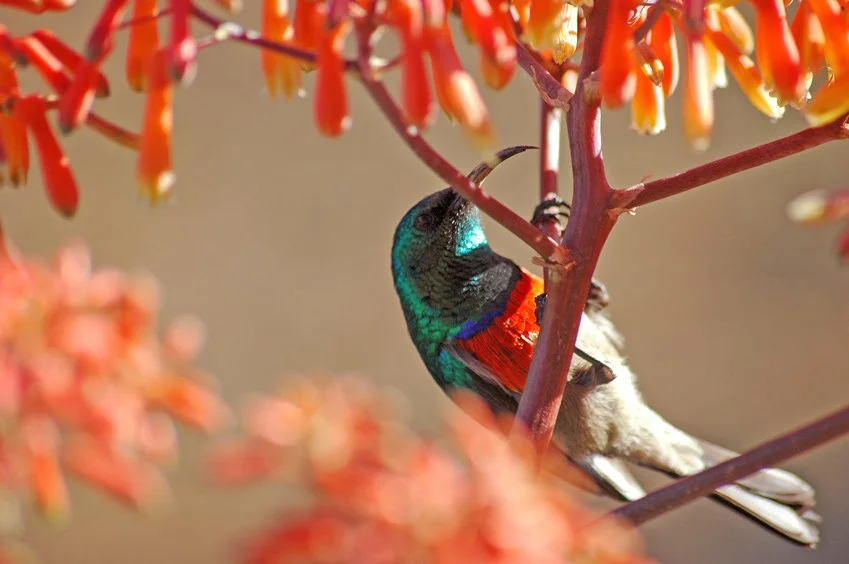
"Because nature doesn't stop at the boundary, right? The sunbird doesn't fly to the fence and say 'I'm turning around and coming back'" - Sean Privett on the importance of expanding the land under conservancy.
Through these research efforts, they make sure that neighbouring landowners understand that the little hill at the back of their farmhouse is part of this magnificent corridor that connects one conservation area to another. They help them realise that the only way these animals and plants can survive is by protecting their land.
"Because nature doesn't stop at the boundary, right? The sunbird doesn't fly to the fence and say 'I'm turning around and coming back'", Sean elaborates.
The Grootbos team have this gift of taking something ordinary, studying it with zeal, and showing you that it is, in fact, extraordinary. They weave the 4Cs into the guest experience, nudging you to see with new eyes.
They understand that the very essence of their business is nature. It’s why people visit, and it's their responsibility to protect it. Yet they still have the humility to know that there's a lot more work to do to have real impact.

Researchers making their way through the fynbos with their trusty nets. This technique helps them scoop up fascinating insects to study.
Hydroponic strawberries, maggots and lunch under the milkwood trees
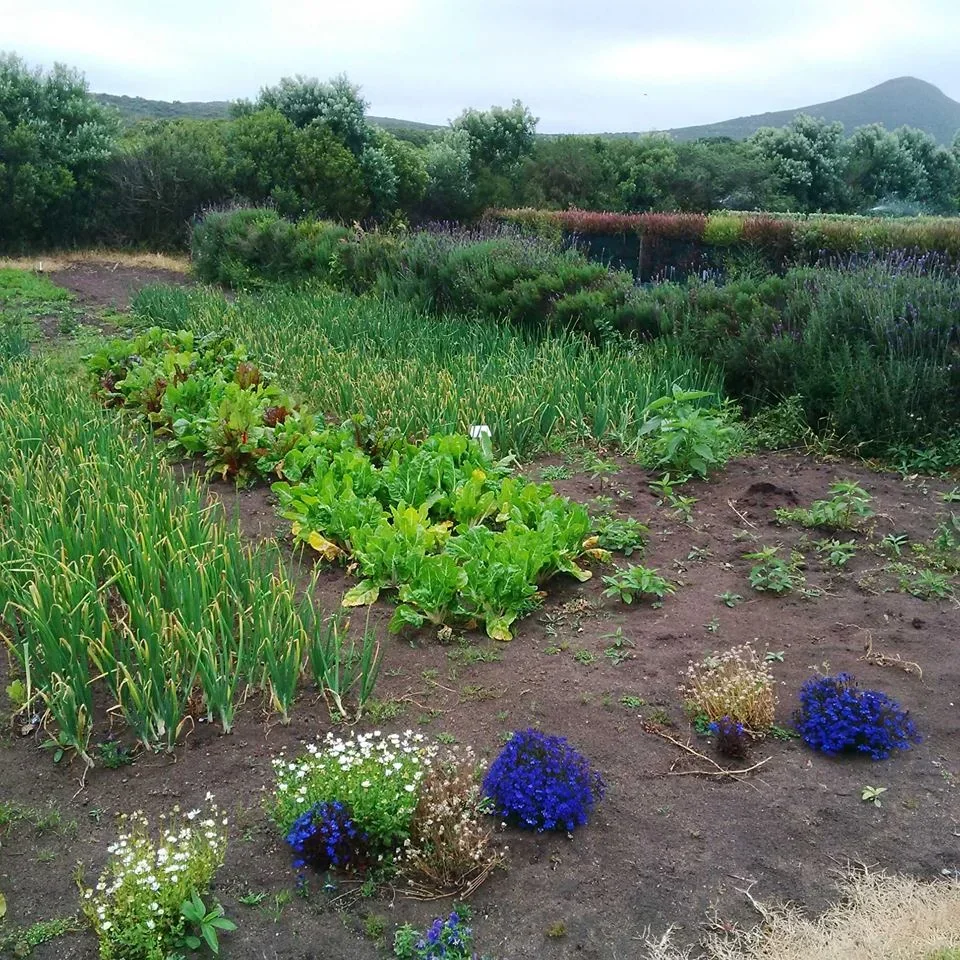
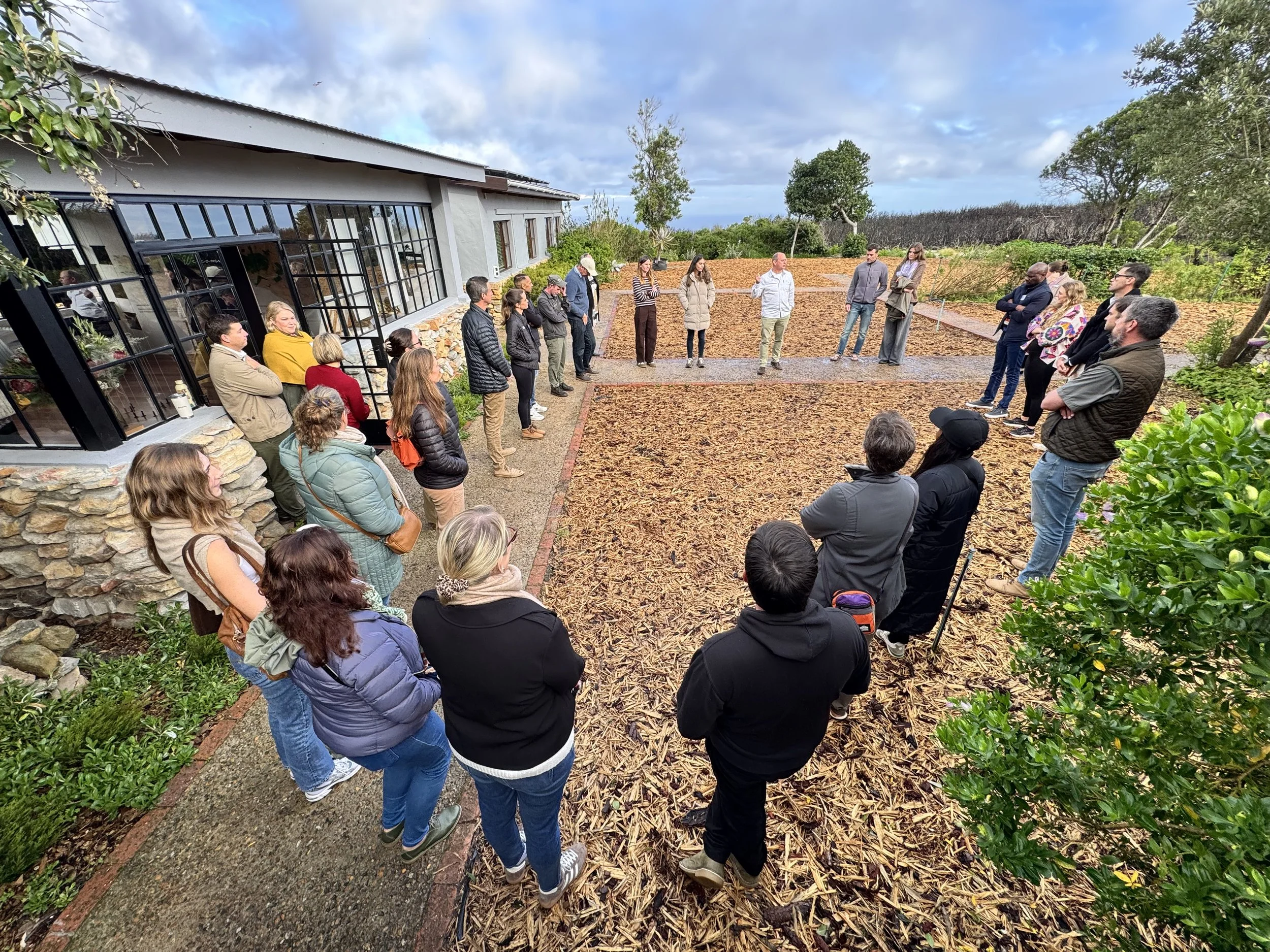
After a 4×4 ‘flower safari’, we arrived at Grootbos’ organic farm. Bernard, the passionate farm manager, explained why their hydroponic strawberries grow bigger, healthier and faster than the soil-grown kind and the small tricks that keep birds from gnawing at them. We 'wiggled' carrots loose from the ground, still smelling of fresh carrot juice.
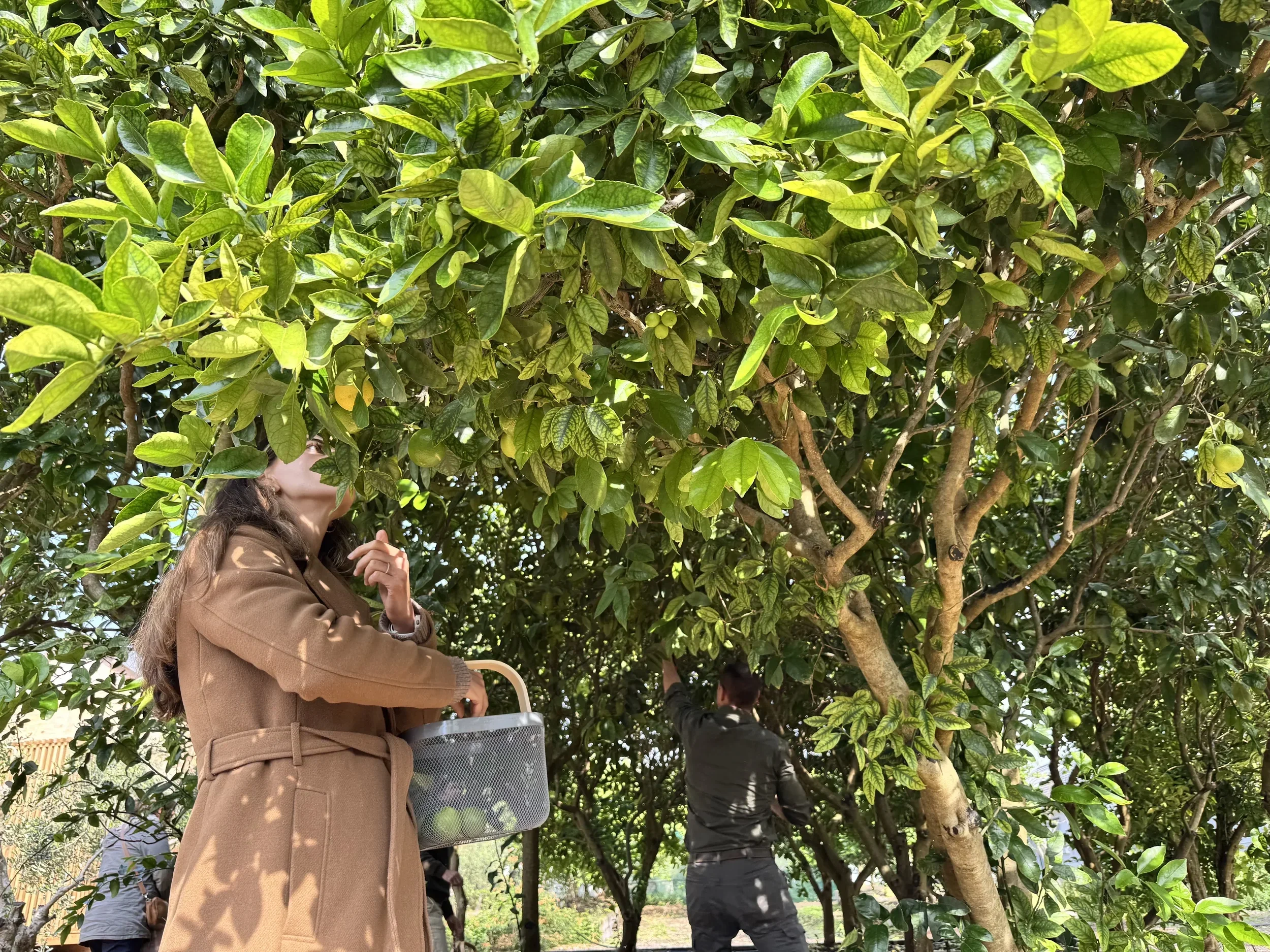
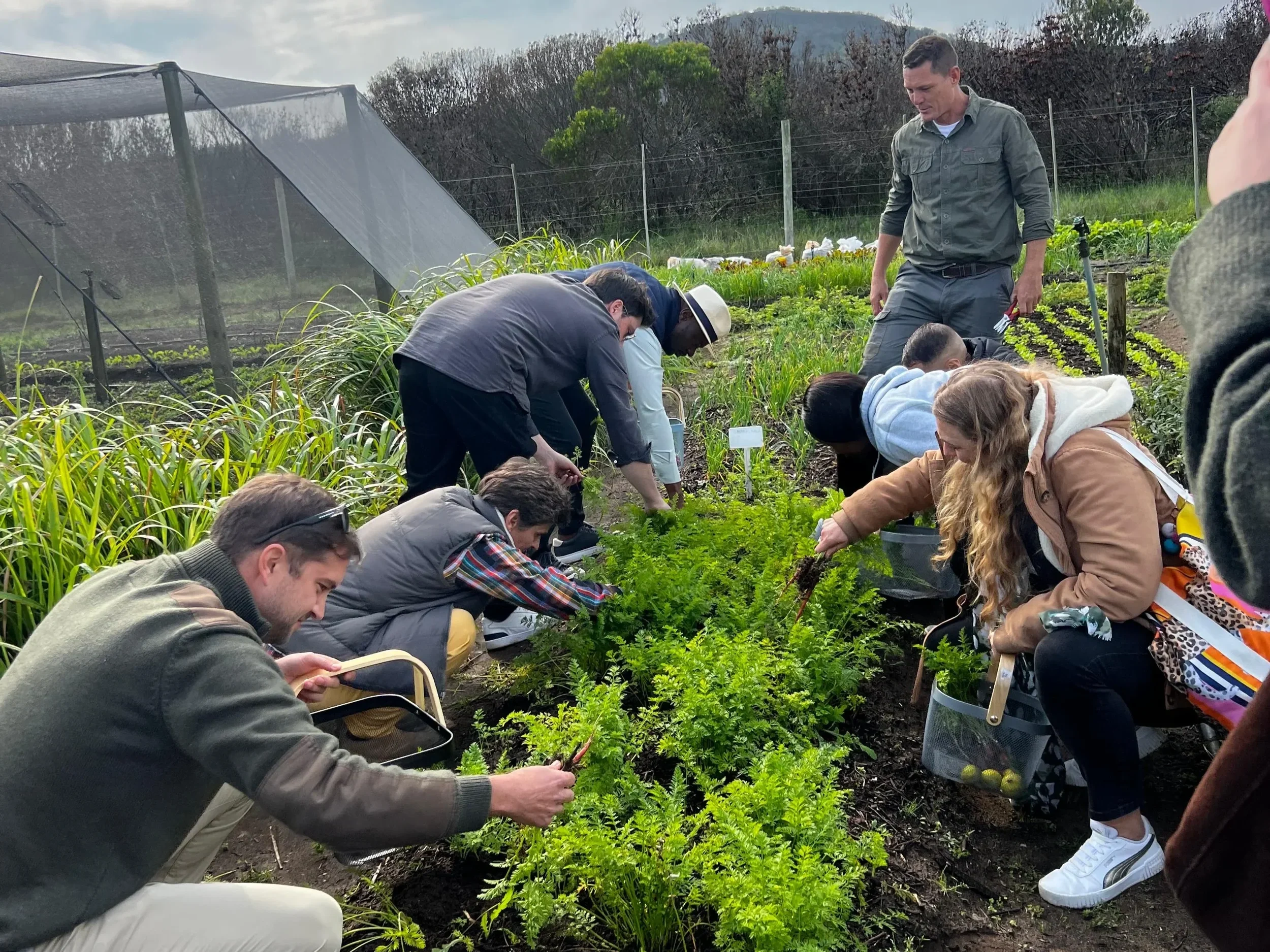
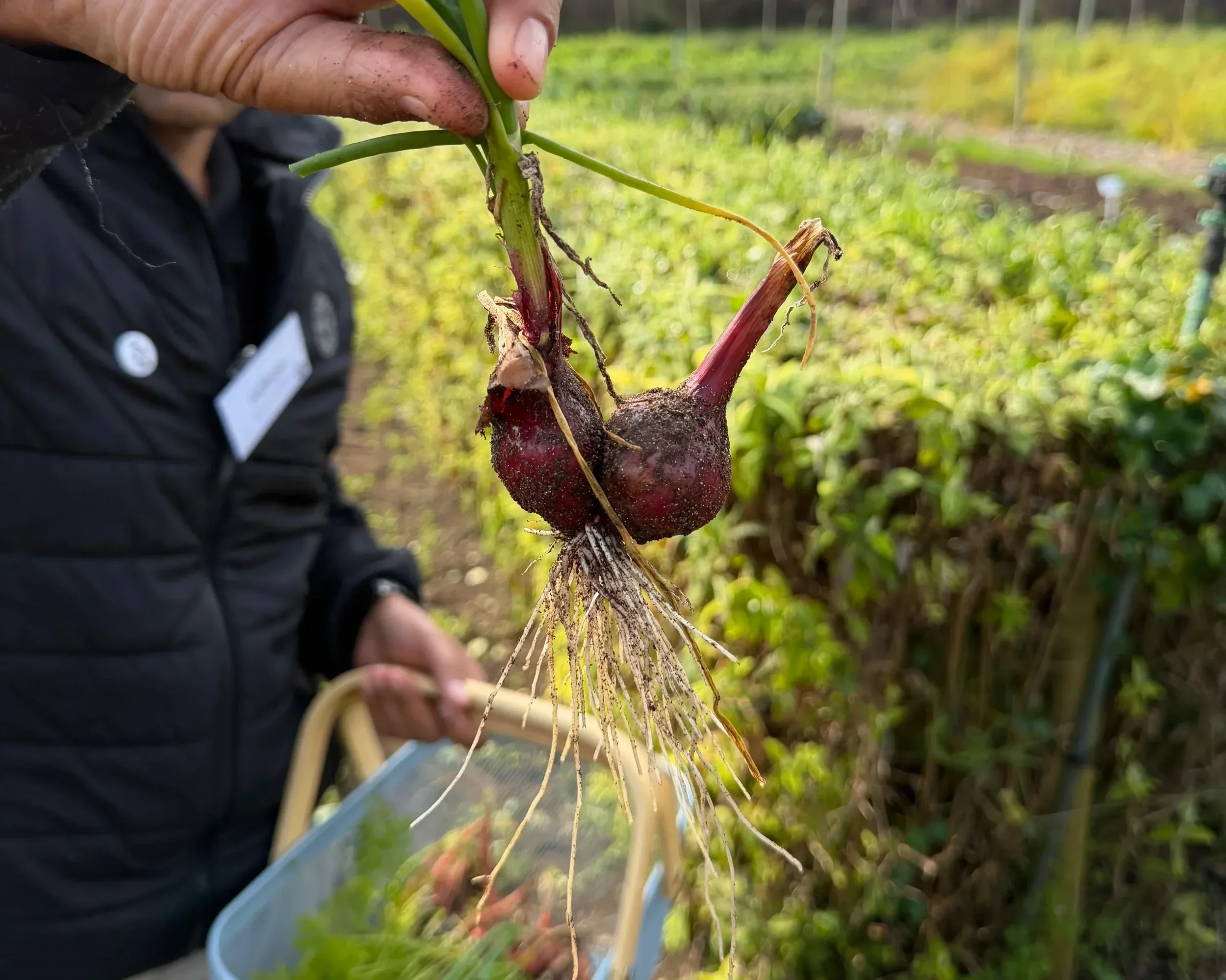
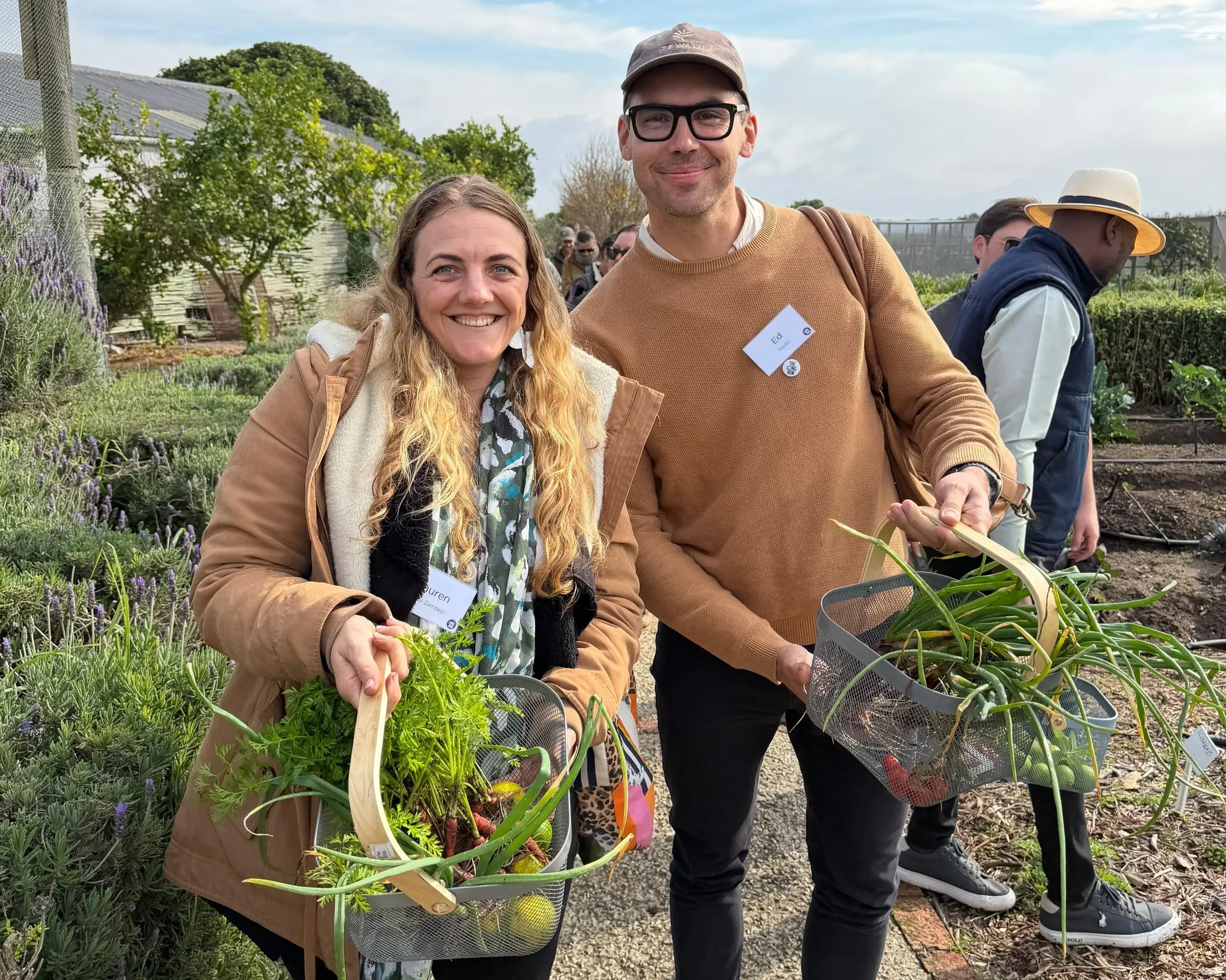
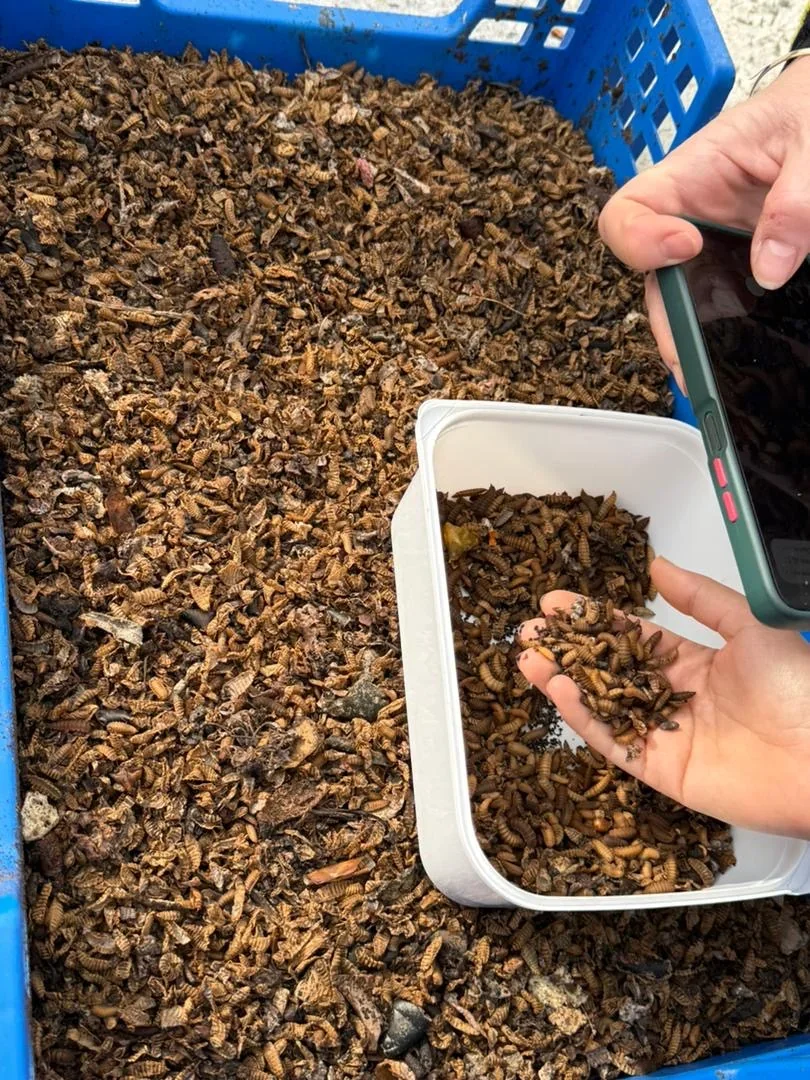
From there, we handed over our baskets to the chef and strolled to the black soldier fly food waste setup where they ‘turn waste into wonder’.
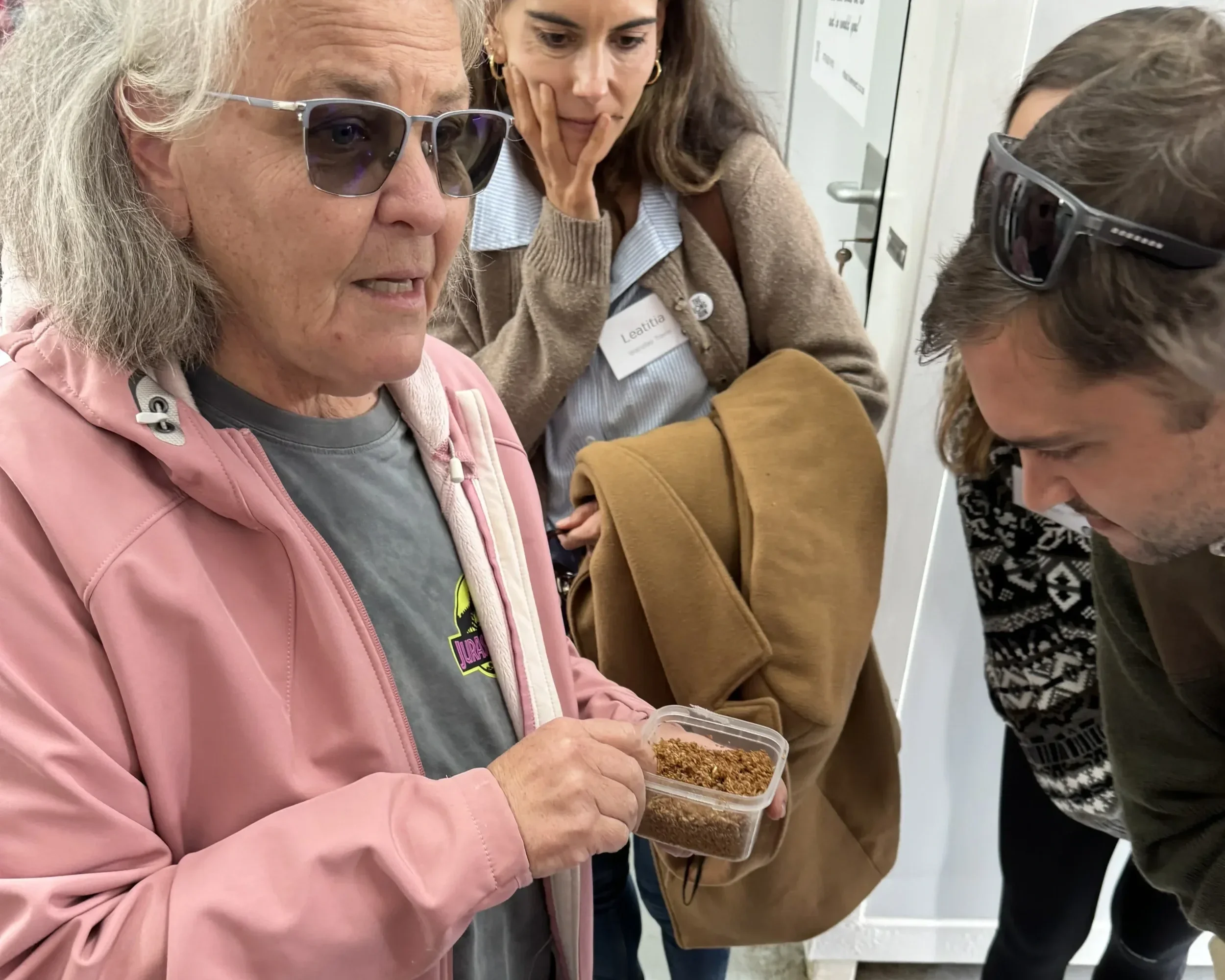
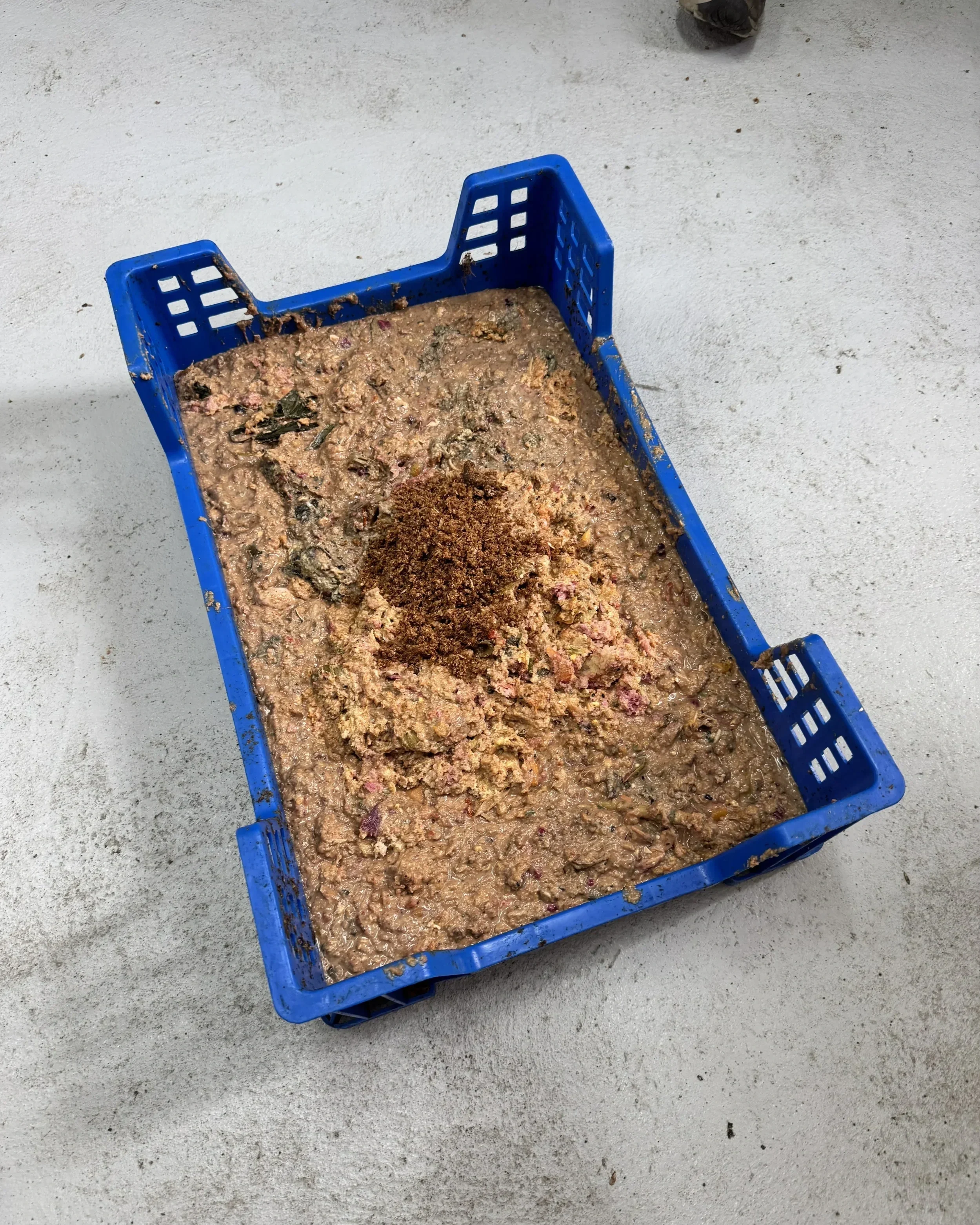
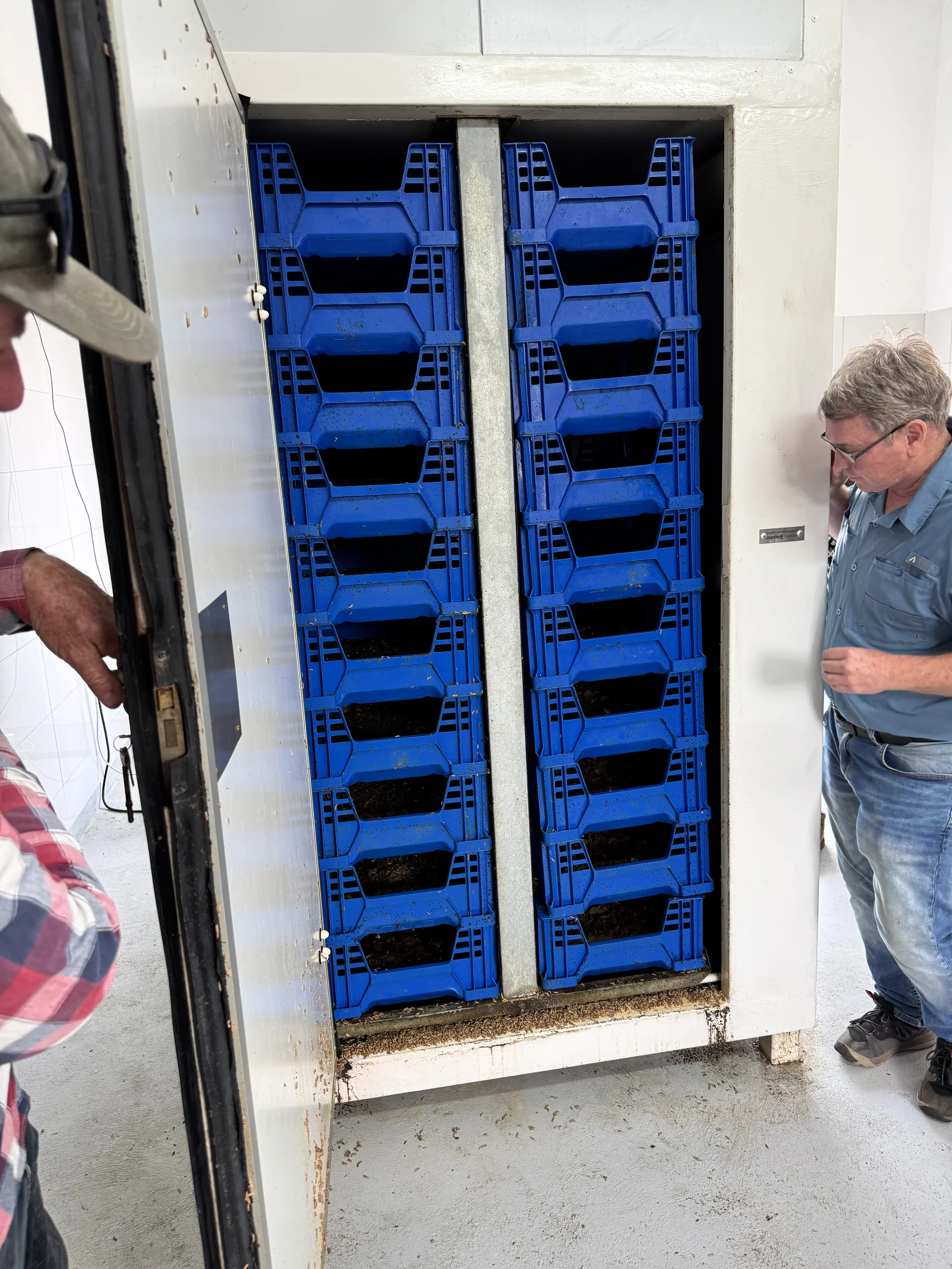
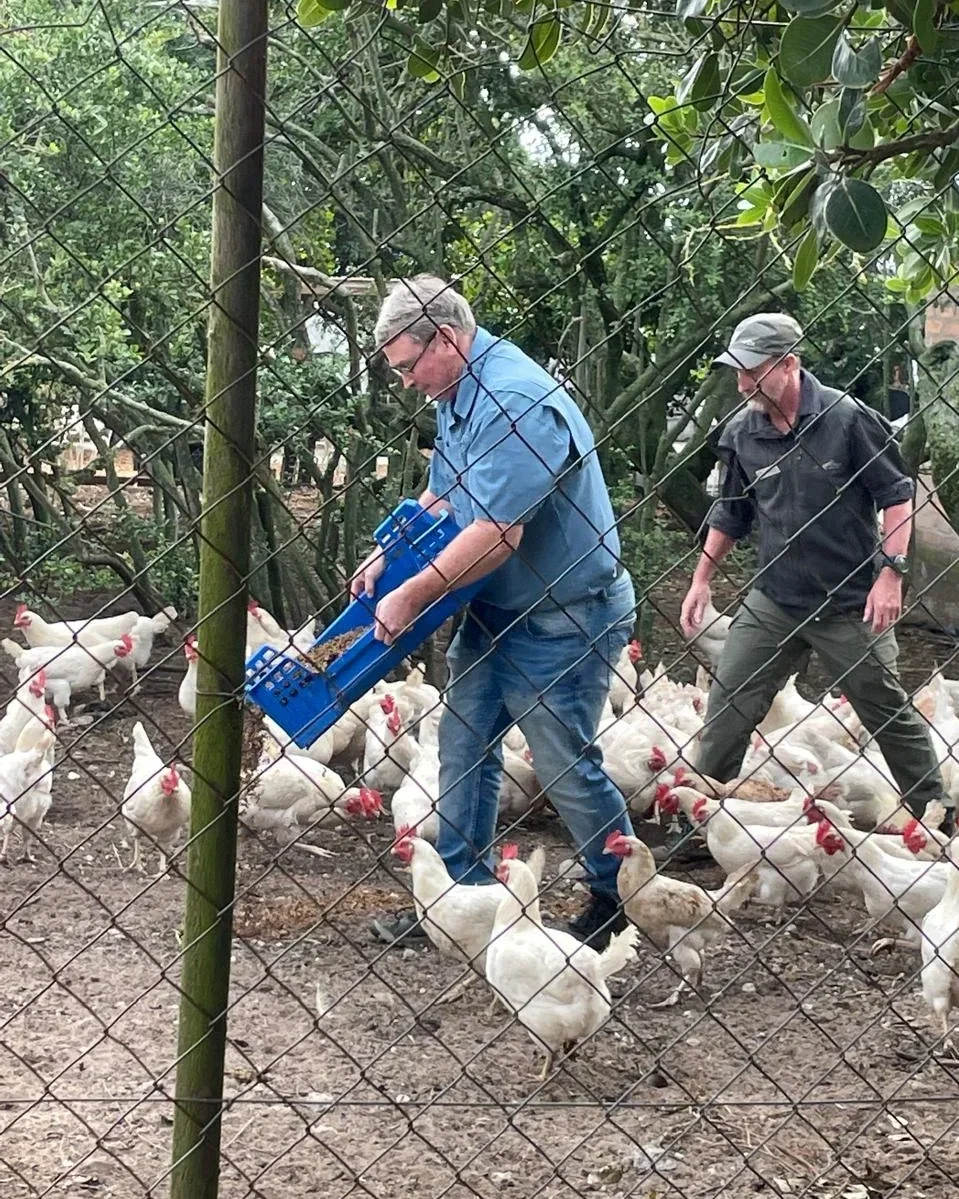
Managing organic waste sustainably isn't a nice-to-have for hospitality in the Western Cape anymore. By 2027, the region is moving toward 100% diversion of organic waste from landfill, which means every kitchen needs a real answer to managing their restaurant and garden waste. In collaboration with Amesect and Natimby, Grootbos is pioneering a smart circular system using nature’s most powerful little recyclers, black soldier fly larvae (i.e. maggots).
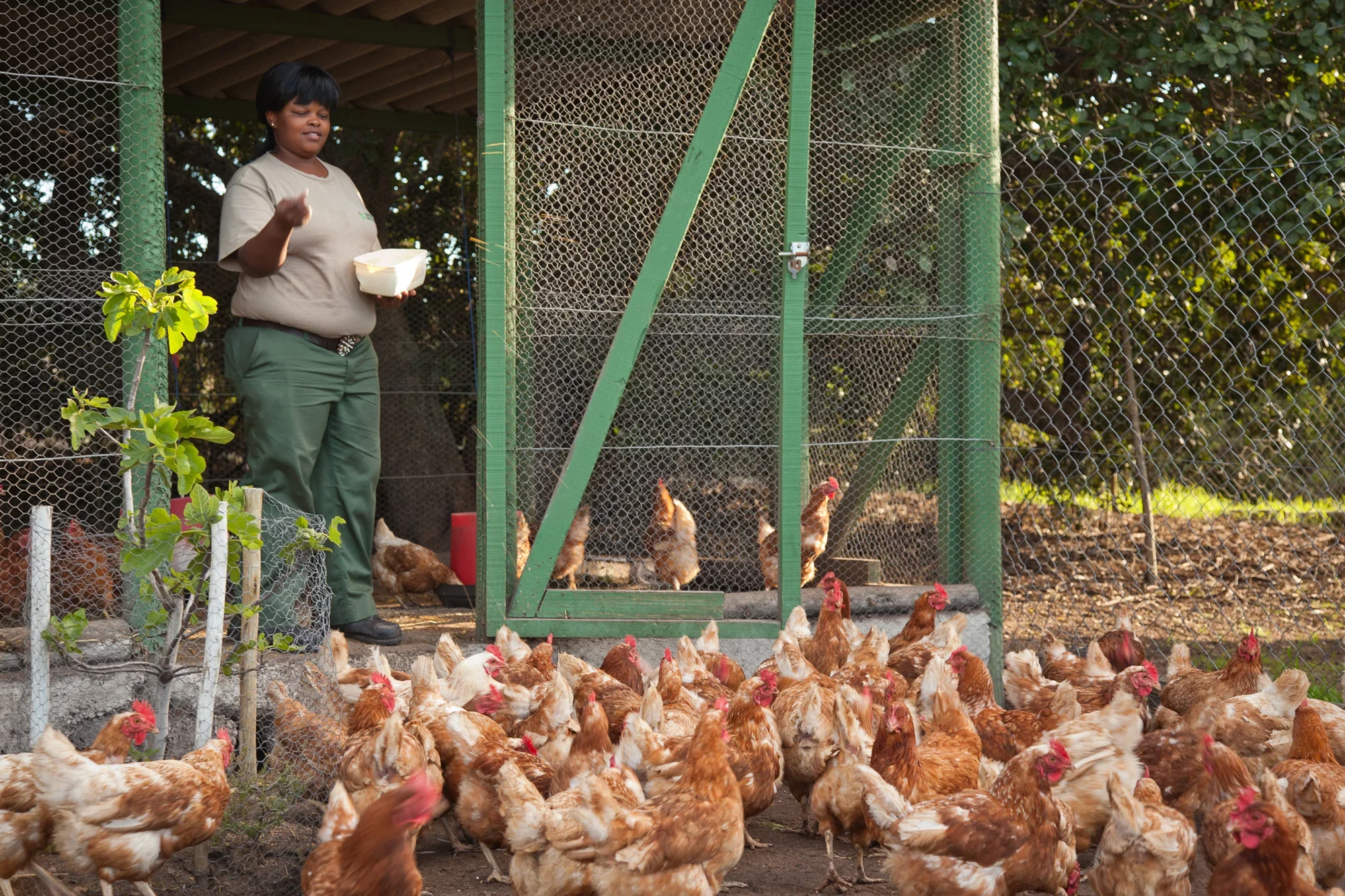
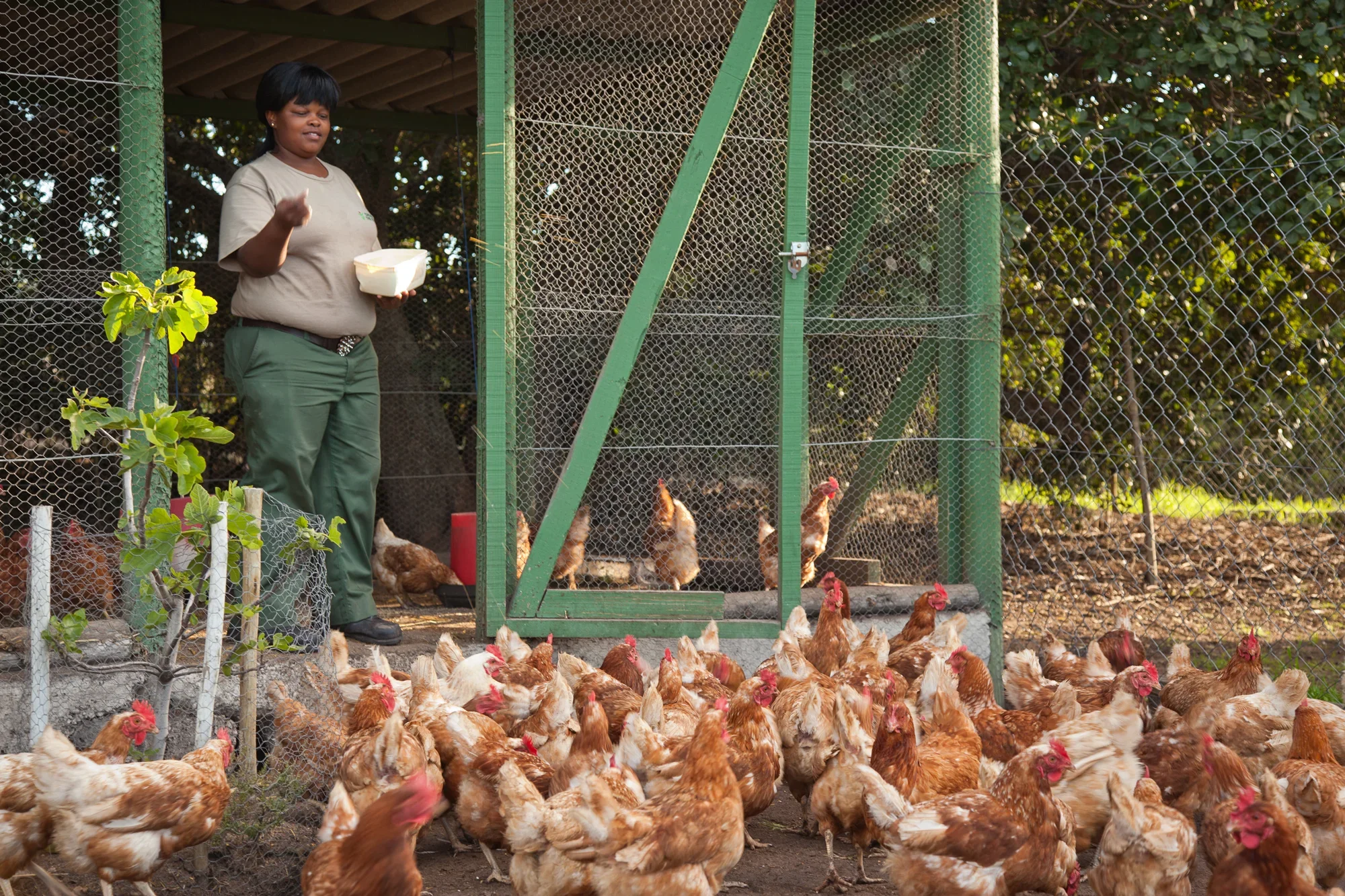
It wasn’t always like this. For years, food waste went straight to the pigs on the farm, and the team spent half their time chasing them down. The switch to Black Soldier Fly has turned out to be a magnificent solution that leaves guests asking thousands of questions.
After working up an appetite on our farm tour, we wandered under the milkwood trees where the team laid out a full spread for lunch.
The chef put together a fresh salad from the hand-picked produce in our baskets.
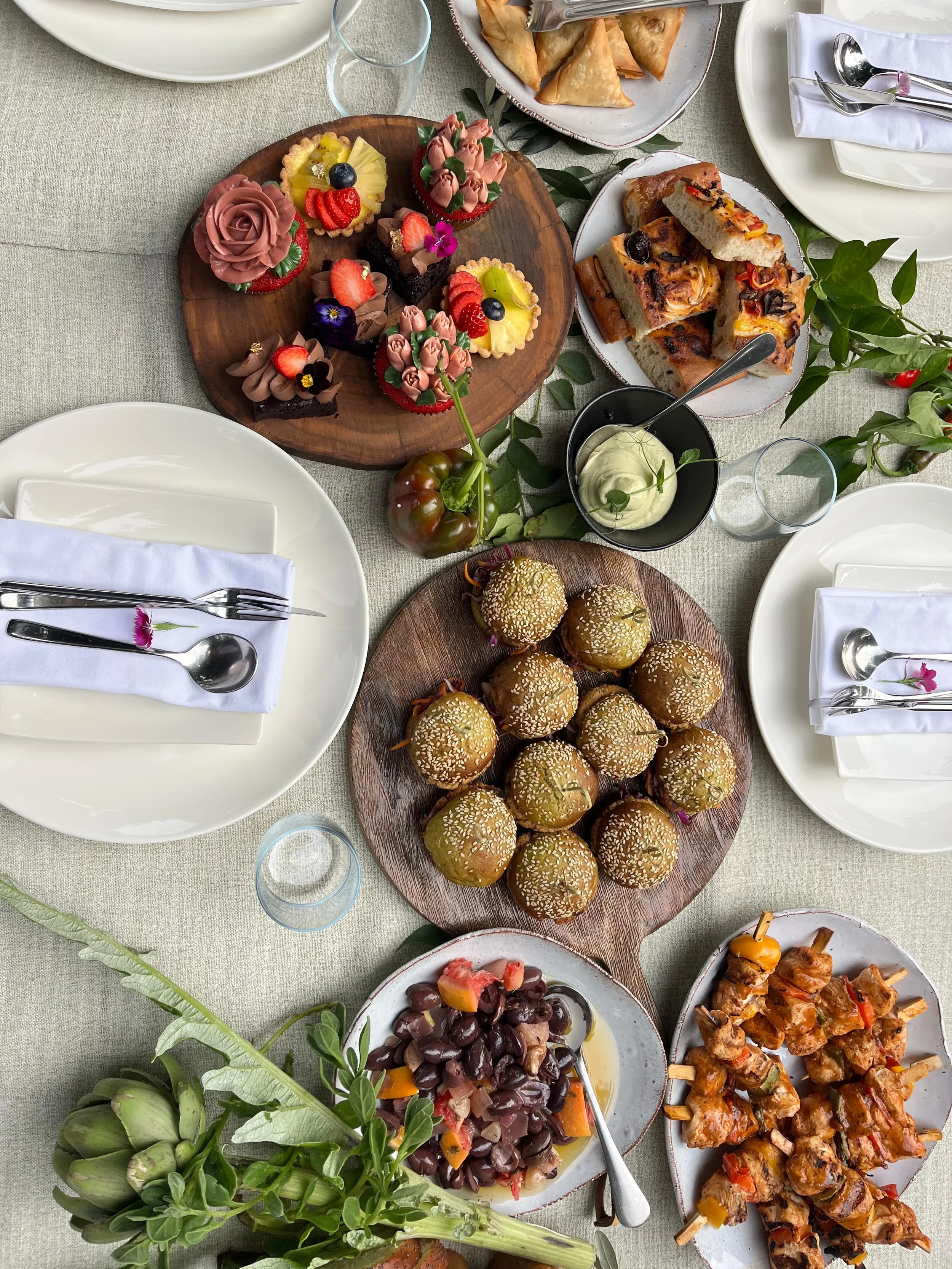
Another tough day in Africa.
The glass house that rewires how you see the rest of your stay
Grootbos offers different game drives (or ‘flower safari’) routes for guests, ending at the organic farm or the Florilegium. Add horse riding, caves, hikes and waterfalls, and there are almost too many experiences or learning opportunities.
That's why every guest starts at the 4C Centre in the Glass House before their first activity. It exists so a guest can get a baseline understanding of why Grootbos’ work matters, and where it started. Guides judge a guest’s level of genuine curiosity and take it from there.
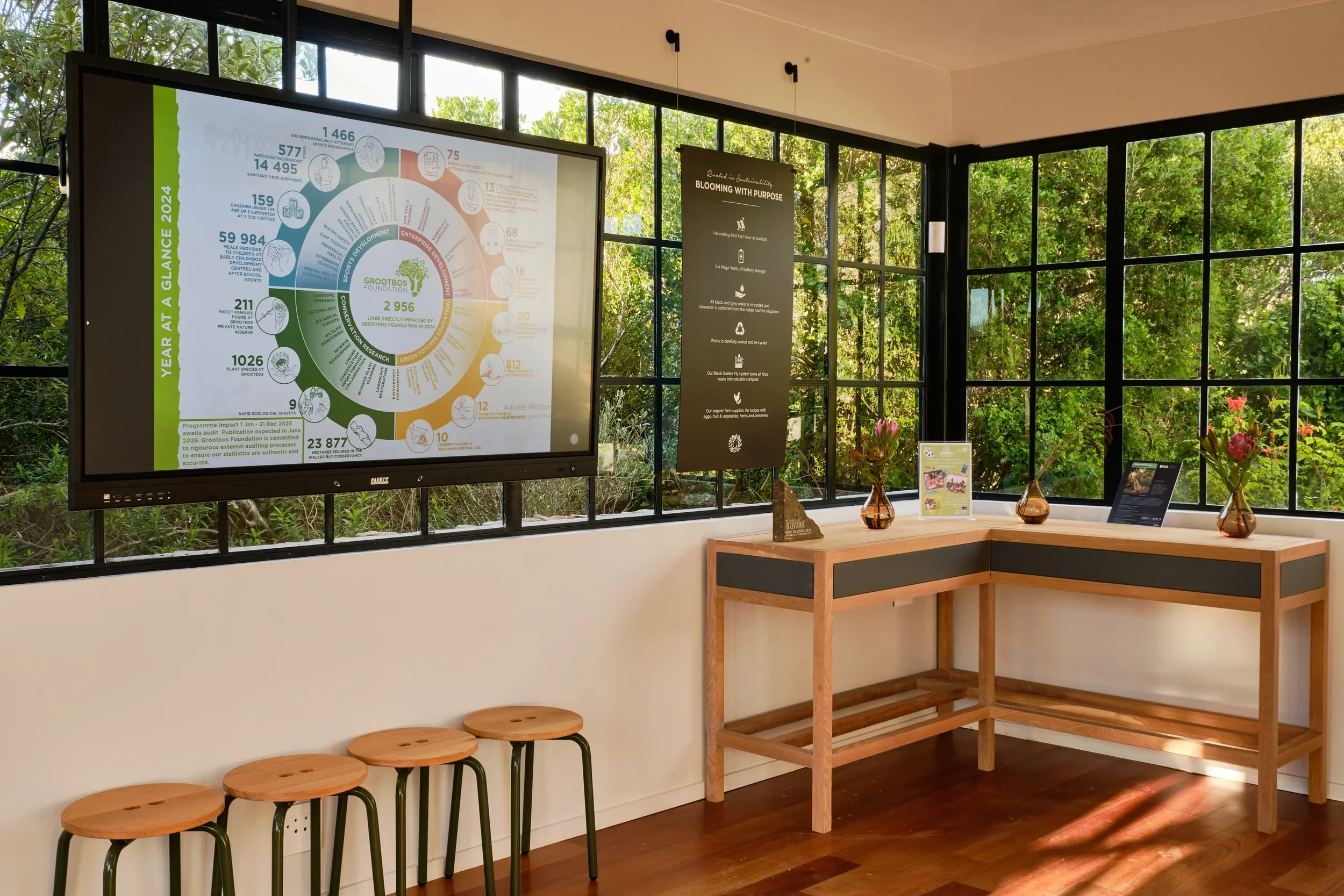
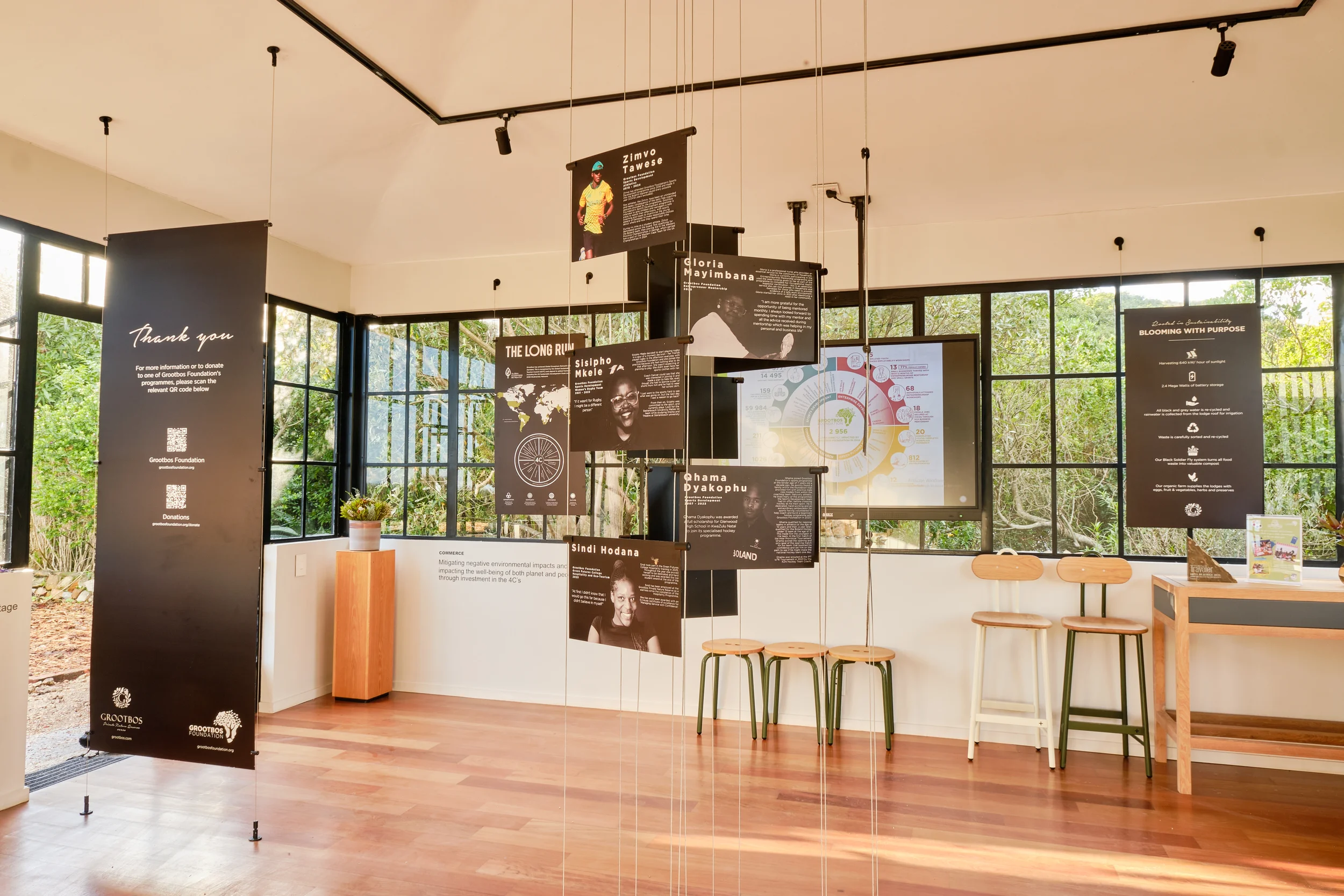
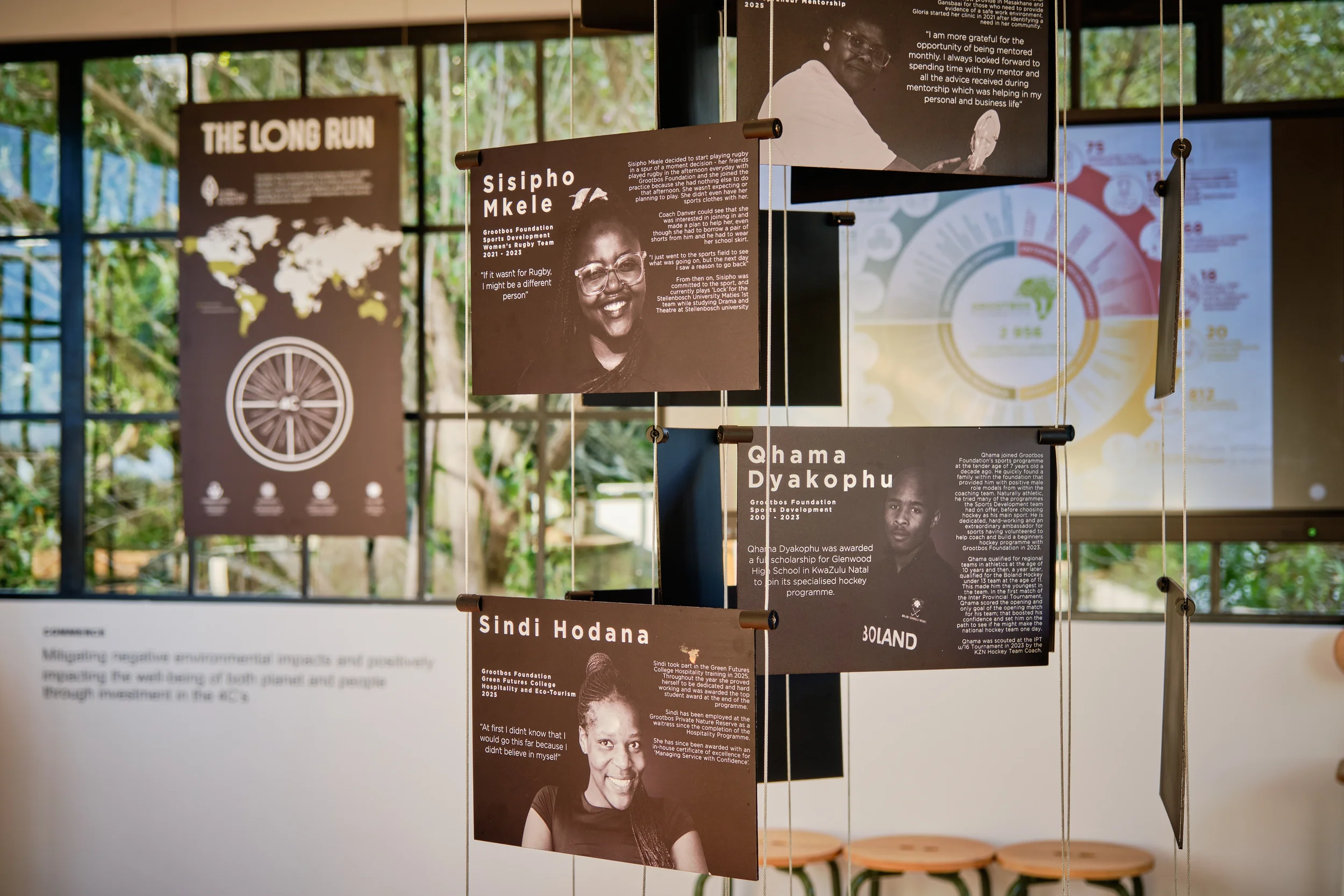
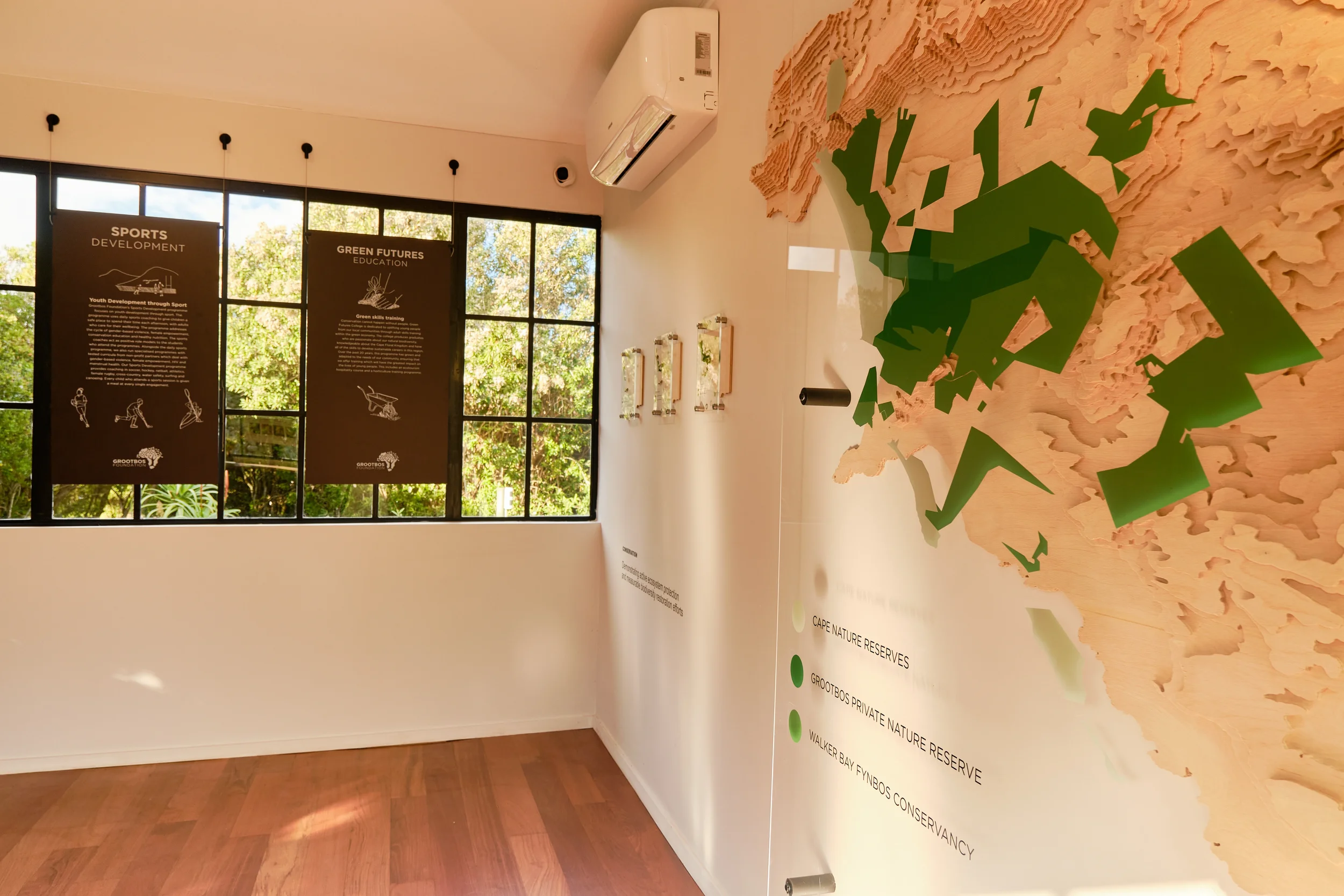
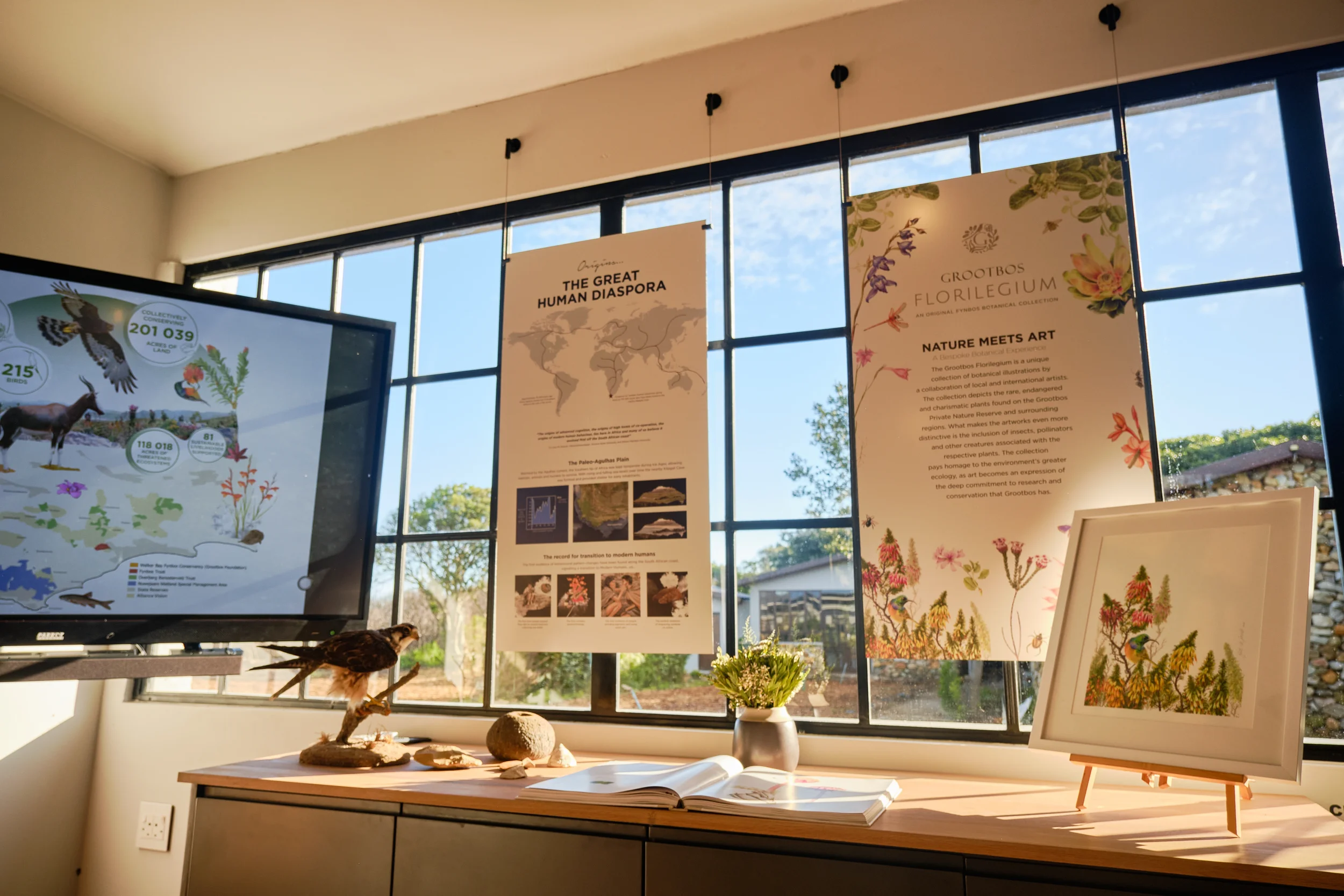
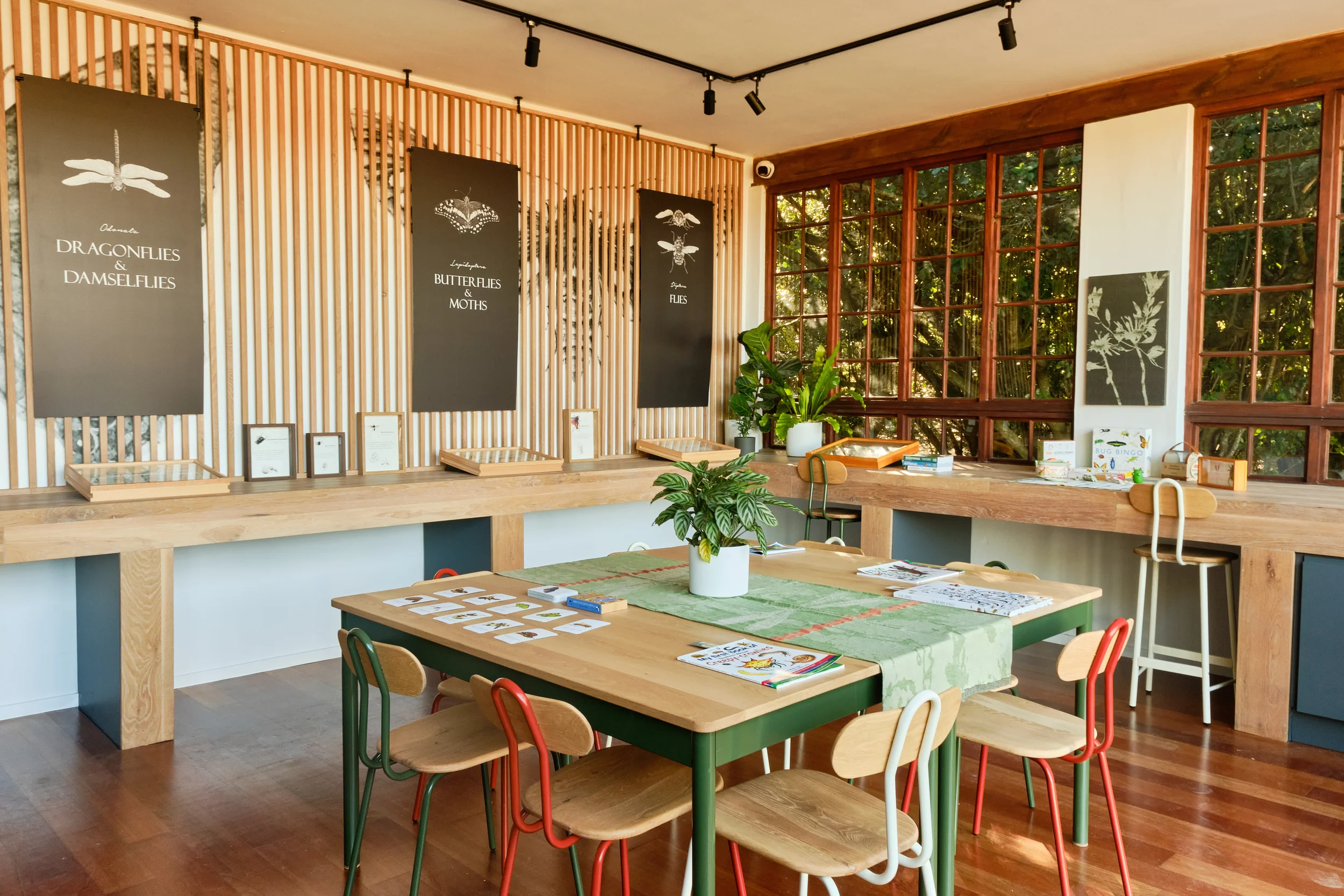
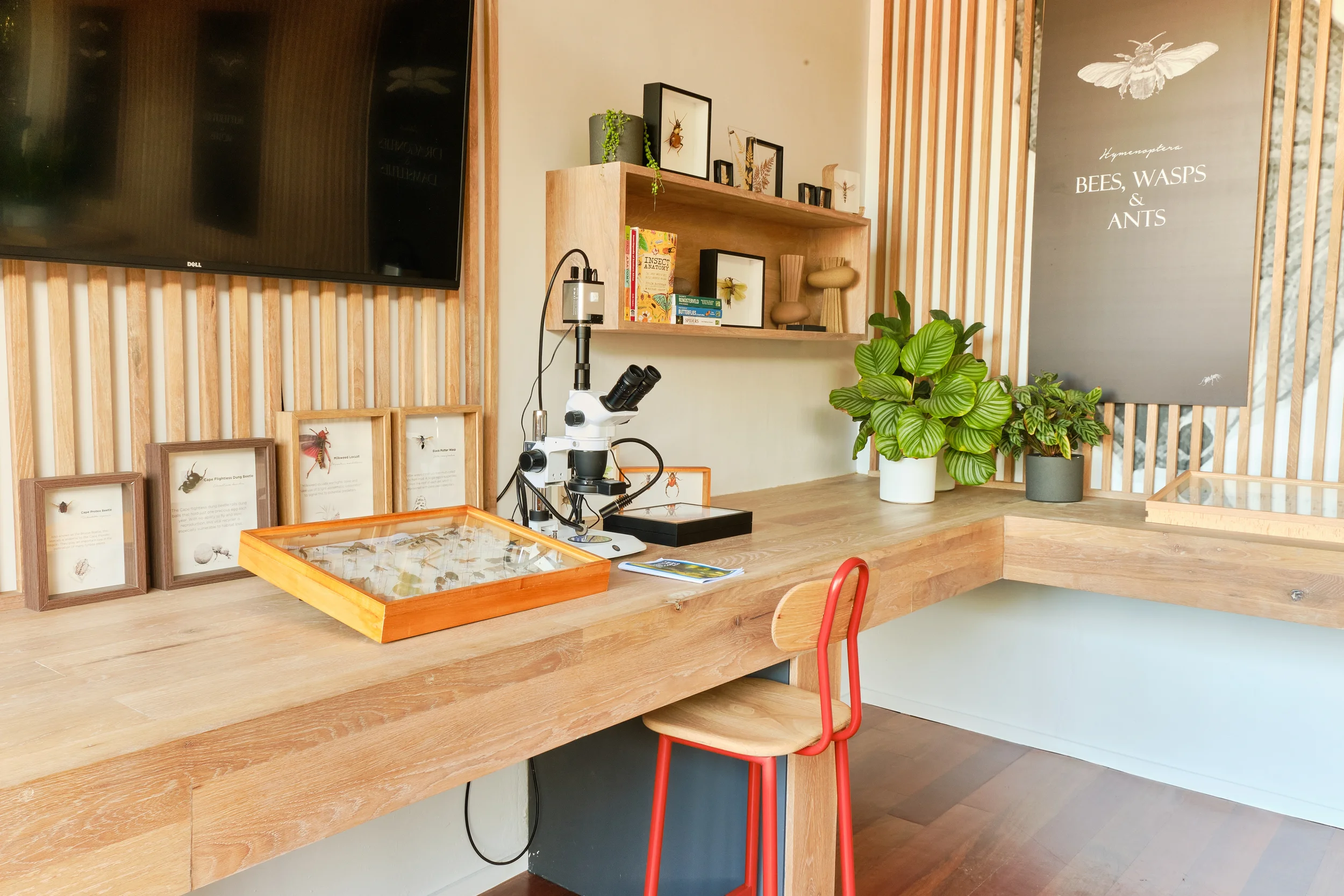
By beginning their stay with a run-down of Grootbos’ work at the 4C Centre, guests are far more likely to have that ‘penny drop’ moment later on. They arrive expecting breathtaking views or whale sighting, then they leave knowing they’ll never look at a plant or animal the same way again.
The Centre has also created a fundraising moment Grootbos didn't have before: the chance to ask, right when a guest is most switched on to why it matters.
How do you make someone care about a plant they've never heard of? Paint it.
"The Cape Floral Kingdom is probably the greatest floral kingdom on the planet. How could we excite people? How could we bring this to the world?” was the question Michael Lutzeyer, owner of Grootbos Private Nature Reserve, kept asking himself and his team.
After many years of toiling over this idea, the pieces eventually fell into place. Michael explains, “The idea was that we commission artists from South Africa, from all over the world, to depict these flowers with a vignette of the flower's pollinators, insects, birds and anything else that is associated with them."
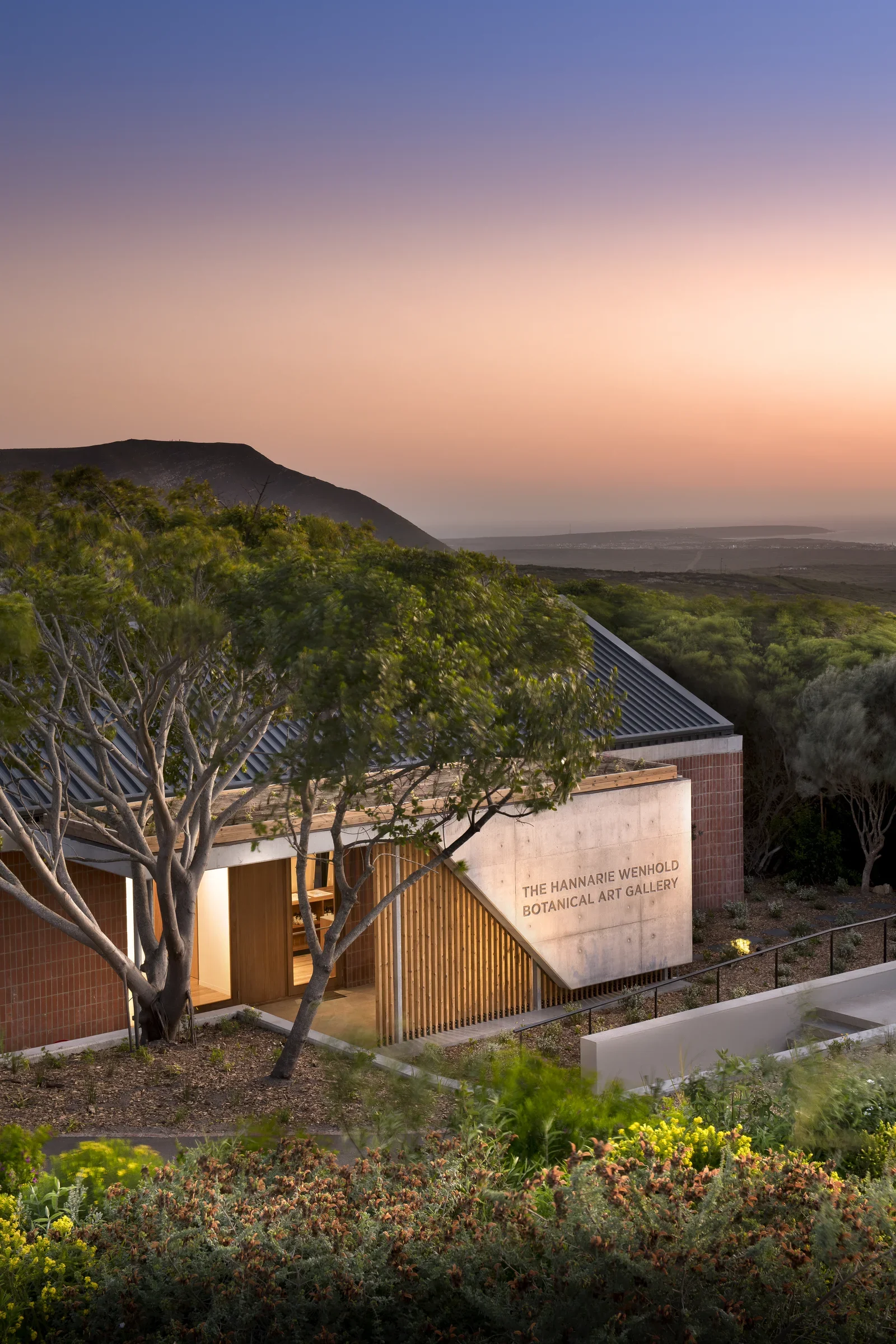
The Grootbos Florilegium, a collection of botanical illustrations, is housed in the Hannarie Wenhold Gallery. The project catalogues the Cape floral kingdom and is the only one of its kind in the southern hemisphere.
The magic of botanical art is that it pushes you to really see the plant and find a new appreciation for its little intricacies and vulnerabilities. Five hundred years from now, someone will pick up a plant in the area that they've never seen before. The art piece may just be the thing that helps them identify it.
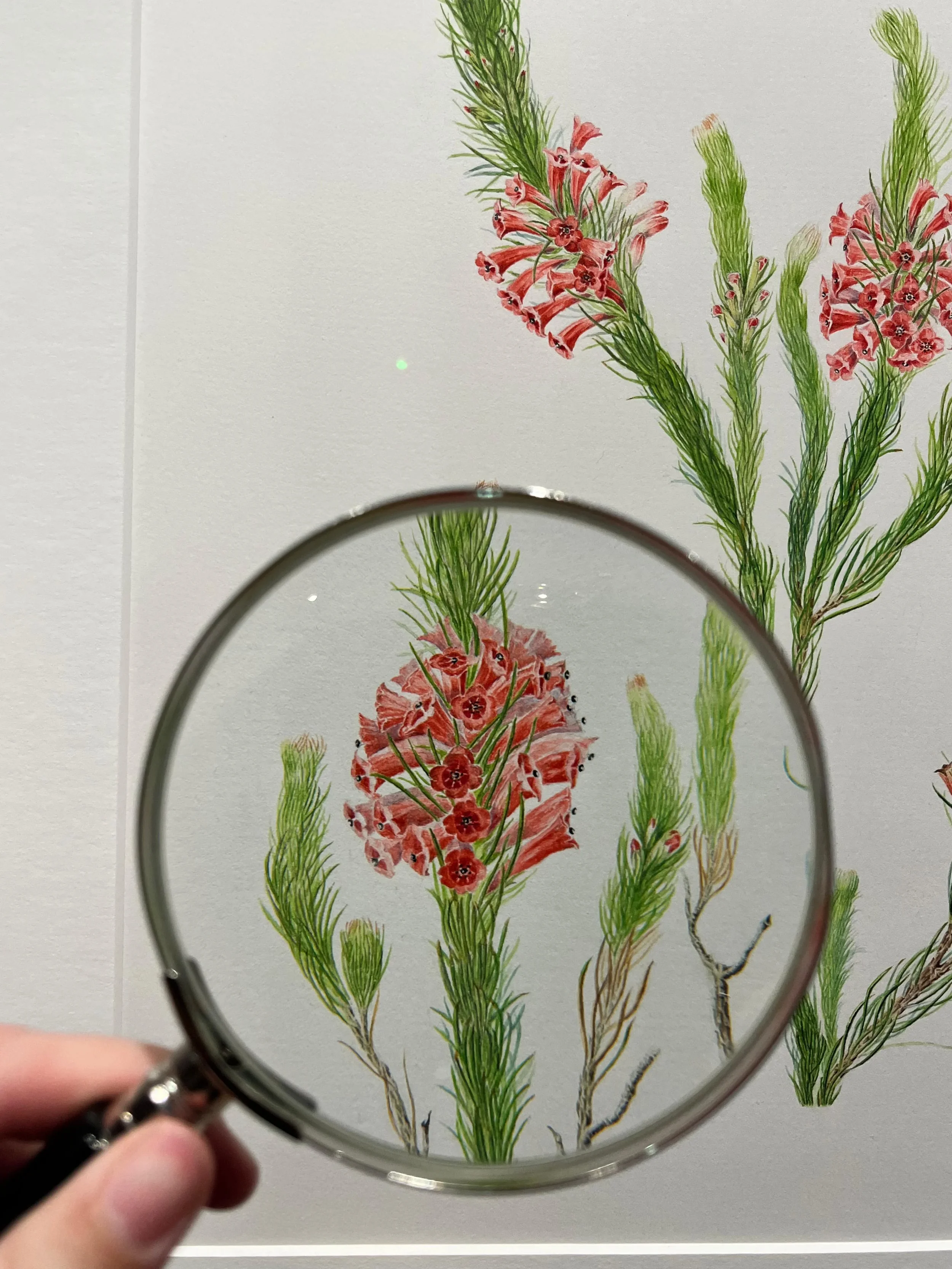
“The real voyage of discovery consists not in seeking new landscapes, but in having new eyes.” - Marcel proust
"The process of creating an artwork is fraught; it's difficult to do. You've gone through every emotion on the spectrum. Loving it, absolutely adoring the plant, hating the plant, swearing… When you've finished the piece, it has become part of you." - Vicki Thomas, botanical artist and guiding force behind the Grootbos Florilegium.
The Florilegium is now the first botanical art gallery in the southern hemisphere. All proceeds from selling the prints go into conservation of fynbos, and into teaching art to disadvantaged youth.
It's one of the clearest examples of the 4Cs in action: art as Culture, sold as Commerce, funding Conservation of the fynbos, creating Community opportunity for disadvantaged youth.
“One of the Grootbos team members said: ‘we’re not just doing this to impress. We’re doing this to inspire.’ That’s stayed with me the whole time. How do I embed that not only at my property, but in my life?”
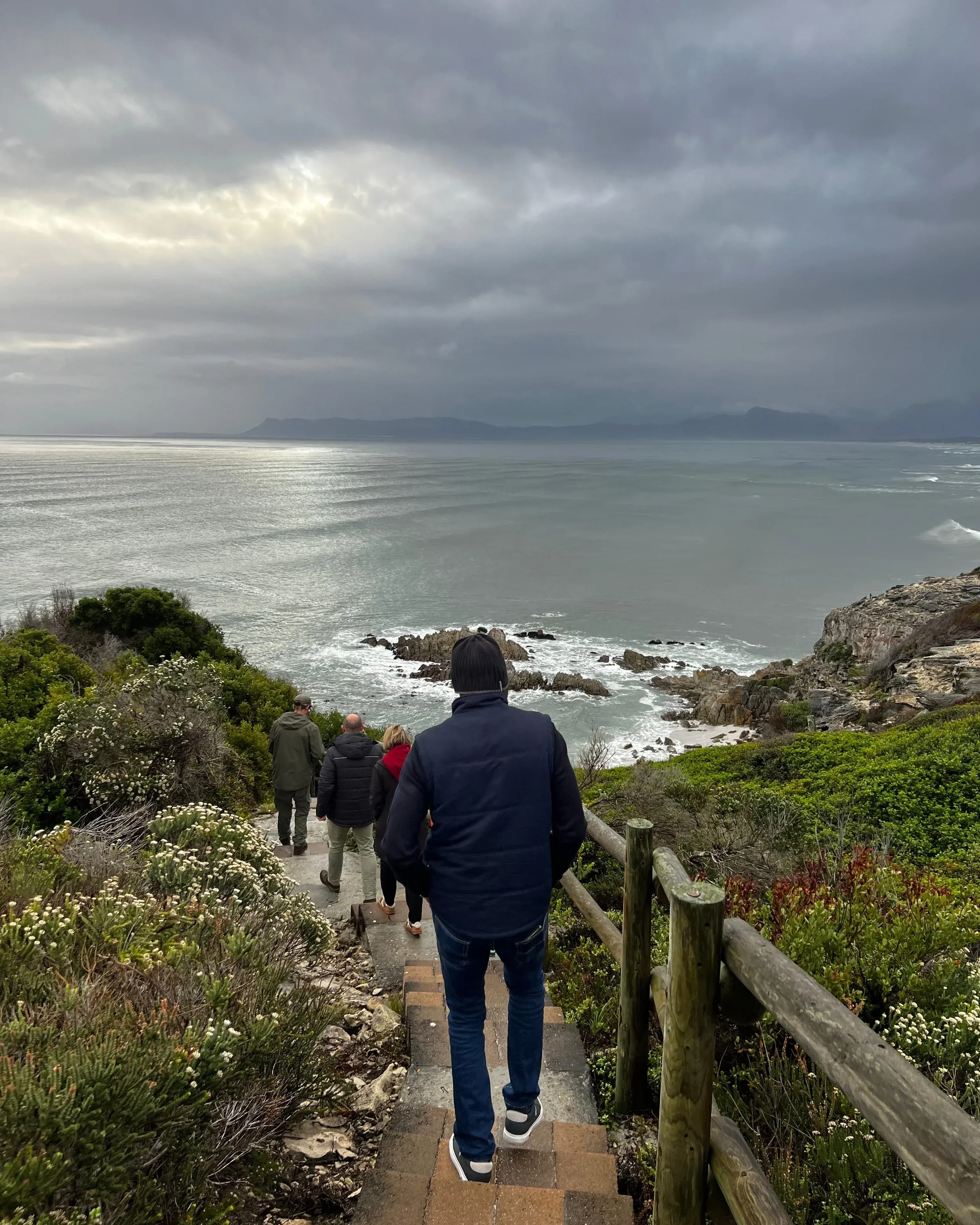
Until next year!