From Kenya to Brazil: Are Learning Journeys the Next Frontier of Regenerative Tourism?
How Thais Corral created this article: “Every thought and opinion is my own. AI was used lightly to improve the English flow of what I have written from my experience.”
During last year's 15th annual gathering of The Long Run members, I met Miriam Obedji, Chief Operating Officer at Saruni Basecamp when she visited Sinal do Vale for two days. Our conversation quickly moved beyond our organisations and into a much larger question: how do we accelerate regeneration across landscapes, communities, and cultures?
This year I finally had the opportunity to visit the Mara Naboisho Conservancy and experience the work of Saruni Basecamp firsthand.
I arrived expecting an extraordinary safari and I left convinced that I had visited something far more important.
I had experienced a living classroom of regeneration.
“People rarely transform because they attend another webinar. They transform because they encounter living examples that challenge what they believed possible. ”
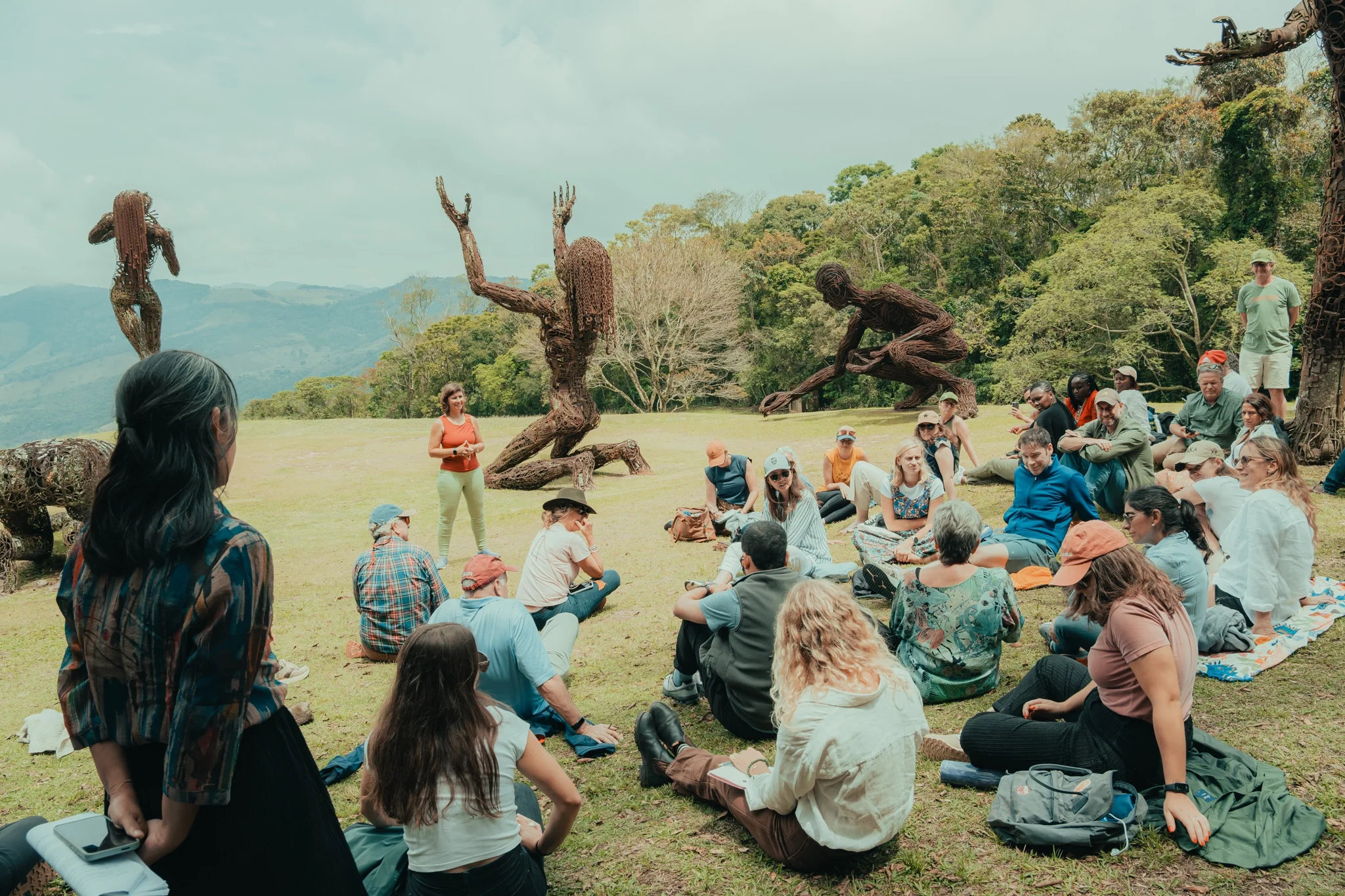
The Long Run community at the 15th annual members meeting in Ibiti Projeto, a private nature reserve in the Mantiqueira mountains of Minas Gerais, Brazil.
Beyond Tourism
Tourism has traditionally been understood as an industry that moves people across landscapes. Regenerative tourism has the opportunity to do something much more meaningful. It can transform visitors into participants in the regeneration of those landscapes. What impressed me most in Naboisho was not only the wildlife or the beauty of the Mara; it was the governance.
More than five hundred Maasai families, tourism operators, conservation organisations, educators, and local institutions have collectively built a system where ecological integrity and community prosperity reinforce one another.
Regeneration here is not a project. It is a way of organising relationships.
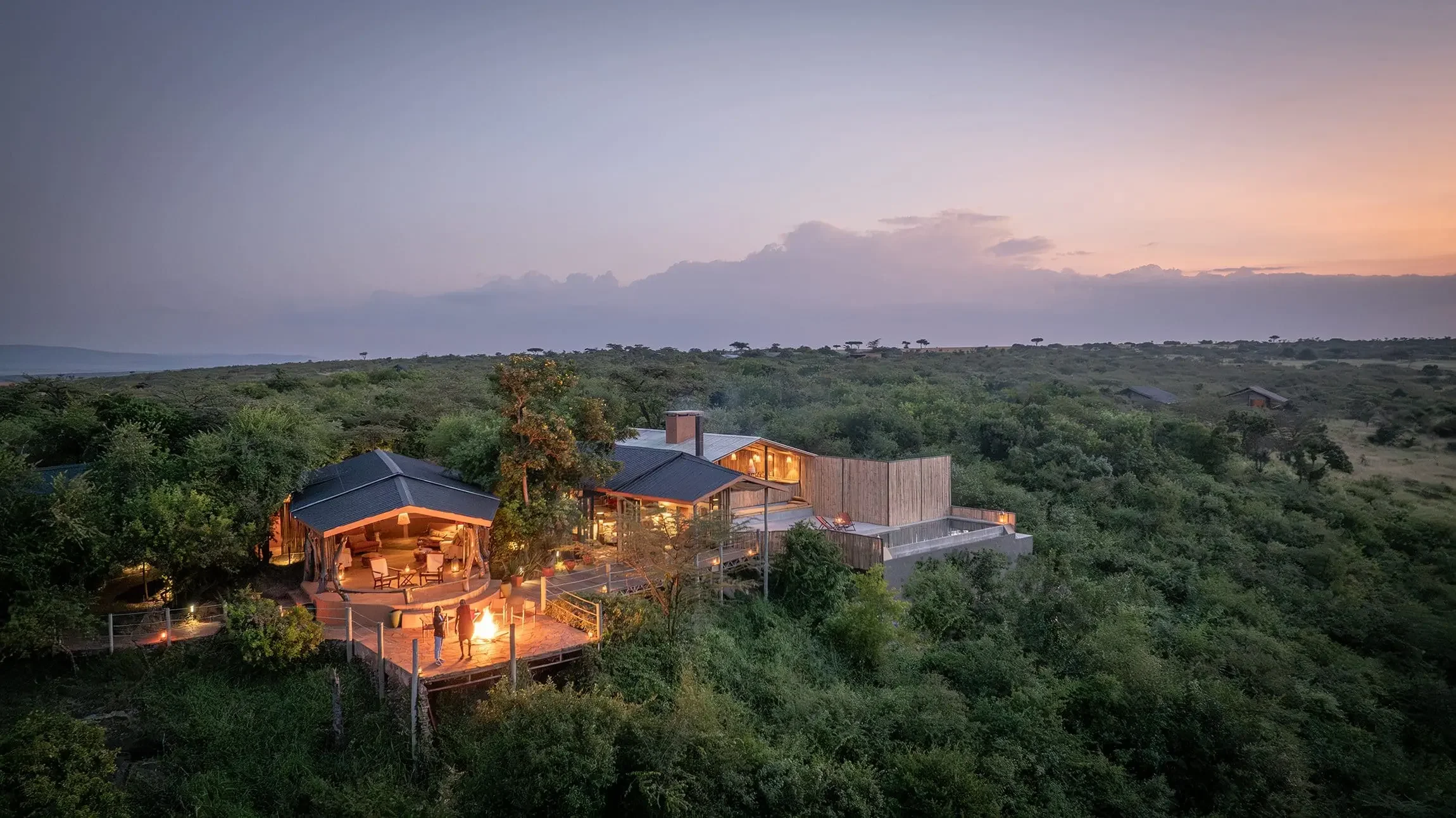
The Mara Naboisho Conservancy is named after the Maasai expression for “coming together”, chosen by the Maasai to describe how the Maasai community came together to face the alarming issue of decreasing land.
Learning from Living Landscapes
One of the experiences that stayed with me was meeting my guide, Saimalo Erik.
At only twenty-eight years old, he demonstrated an impressive understanding of ecology, wildlife behaviour, Maasai culture, and conservation. When I asked about his future, he smiled and said: "I want to do this work for life."
Then he added:
"I want my children to enjoy the same animals and ecosystems we see today."
Saimalo is a graduate of the Wildlife Tourism College of Maasai Mara, established by the Saruni Basecamp Foundation in the nearby Pardamat Conservation Area.
The college is much more than a vocational school; it represents an investment in the next generation of custodians of the landscape. That is regeneration!
Not simply restoring ecosystems but restoring the human capacity to care for them.
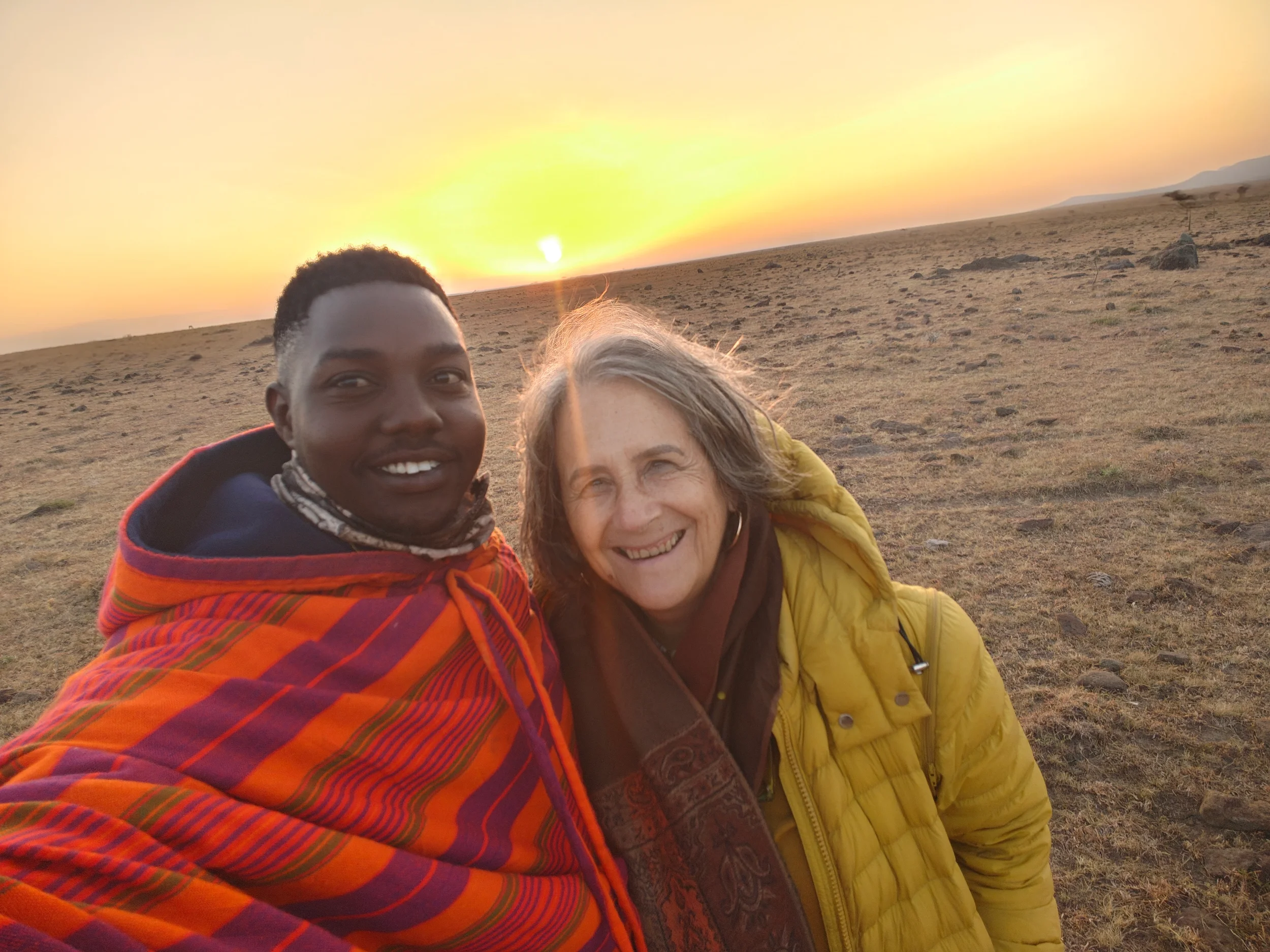
Me with my guide, Saimalo Erik, on a game drive at dusk.
A Shared Vision across Continents
As I walked through Naboisho, I found myself continuously reflecting on Sinal do Vale in Brazil. Although separated by thousands of kilometres, both initiatives share a remarkably similar vision.
Both understand that regeneration cannot be reduced to conservation.
It requires healthy ecosystems, thriving communities, local economies, education, culture, and governance evolving together.
At Sinal do Vale we describe this through three interconnected dimensions:
BioHub. Bioregion. Bioeconomy.
Naboisho demonstrates the same systemic logic. Healthy ecosystems depend upon healthy communities. Healthy communities depend upon viable local economies. And all of them depend upon governance systems capable of sustaining collaboration over generations.
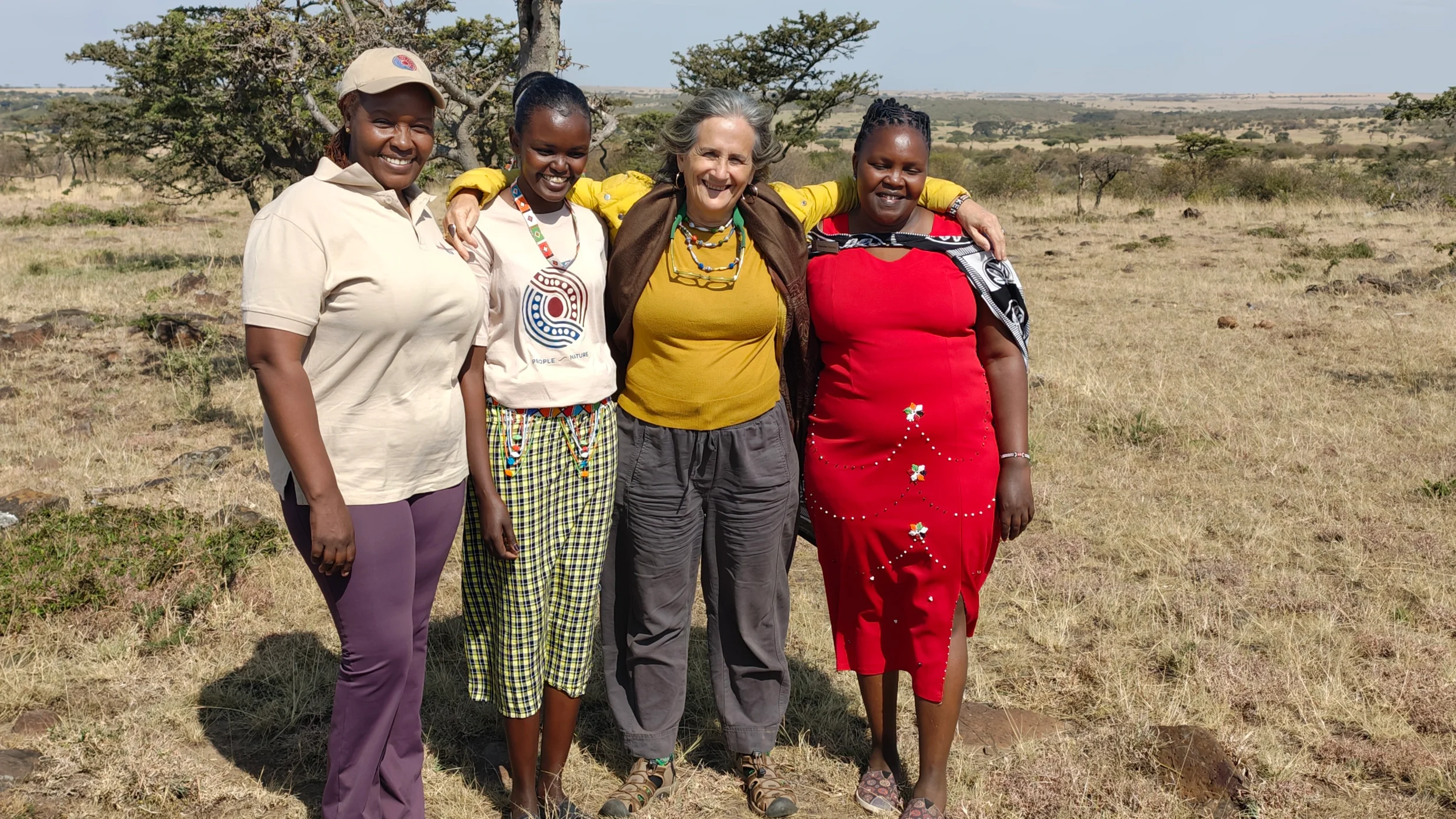
From left: Saruni Basecamp COO, Miriam, Waitress Rantez Leshakwet, me, and Camp Manager Felister Kisotu.
The Long Run’s Learning Journeys
This experience made me reflect on The Long Run as a platform for collective learning.
Its members already represent some of the world's most inspiring regenerative landscapes.
But what if these landscapes also became interconnected classrooms?
We’re already seeing the benefits of cross-continental exchanges between members. Just this year, the CEO swap between Andrew Dixon and Louise Cottar made international headlines and stirred up major curiosity and excitement across our internal channels. Billie Dumaliang took home five Kenyan conservation lessons to the Philippines, starting a community-wide conversation about using EarthRanger to its full extent.
This holds far more weight than a conference or study tour. It’s an immersive learning experience where participants live inside regenerative systems. Where they learn restoration by actually planting forests or learn about protecting local medicinal plants through a walk with an indigenous community member.
A Partnership in the Making
Saruni Basecamp and Sinal do Vale are an exciting pilot for this vision.
Together, we hope to design reciprocal learning journeys that allow participants to experience both the Maasai Mara and the Atlantic Forest, not as tourists, but as learners, practitioners, and future collaborators.
We often speak about scaling regeneration. Now we need to scale learning.
People rarely transform because they attend another webinar. They transform because they encounter living examples that challenge what they believed possible.
That is exactly what happened to me in Naboisho.
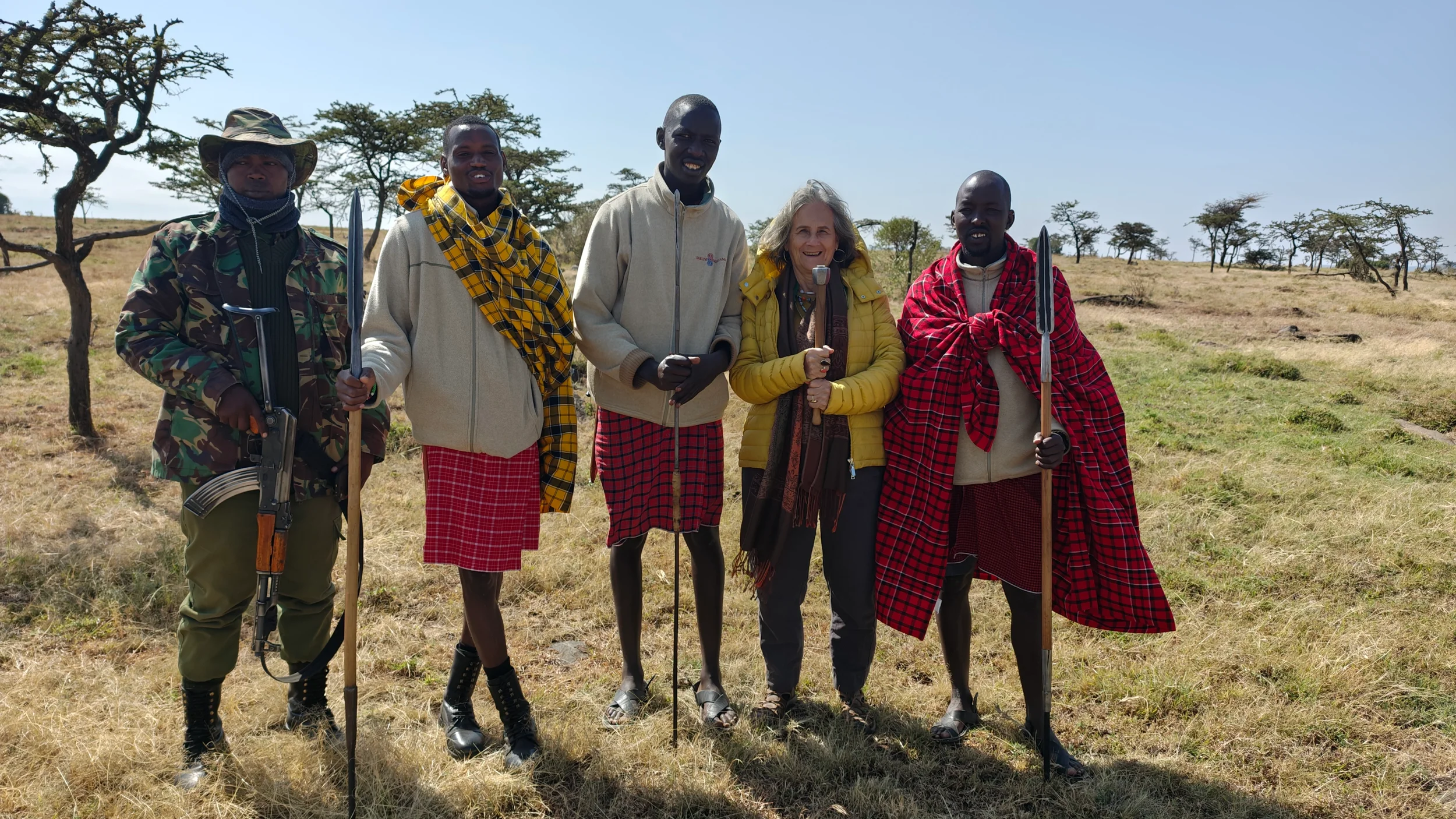
A gathering with the talented Saruni Basecamp rangers.